Circular Design Principles for MSME Products: From Concept to Consumer

Written by

vedant@aican.co.in

Reading progress

As we step into 2024, the landscape for Micro, Small, and Medium Enterprises (MSMEs) is evolving rapidly. With digital transformation becoming the norm, it’s crucial for Indian busin

Introduction: Embracing Circular Design in MSME Manufacturing

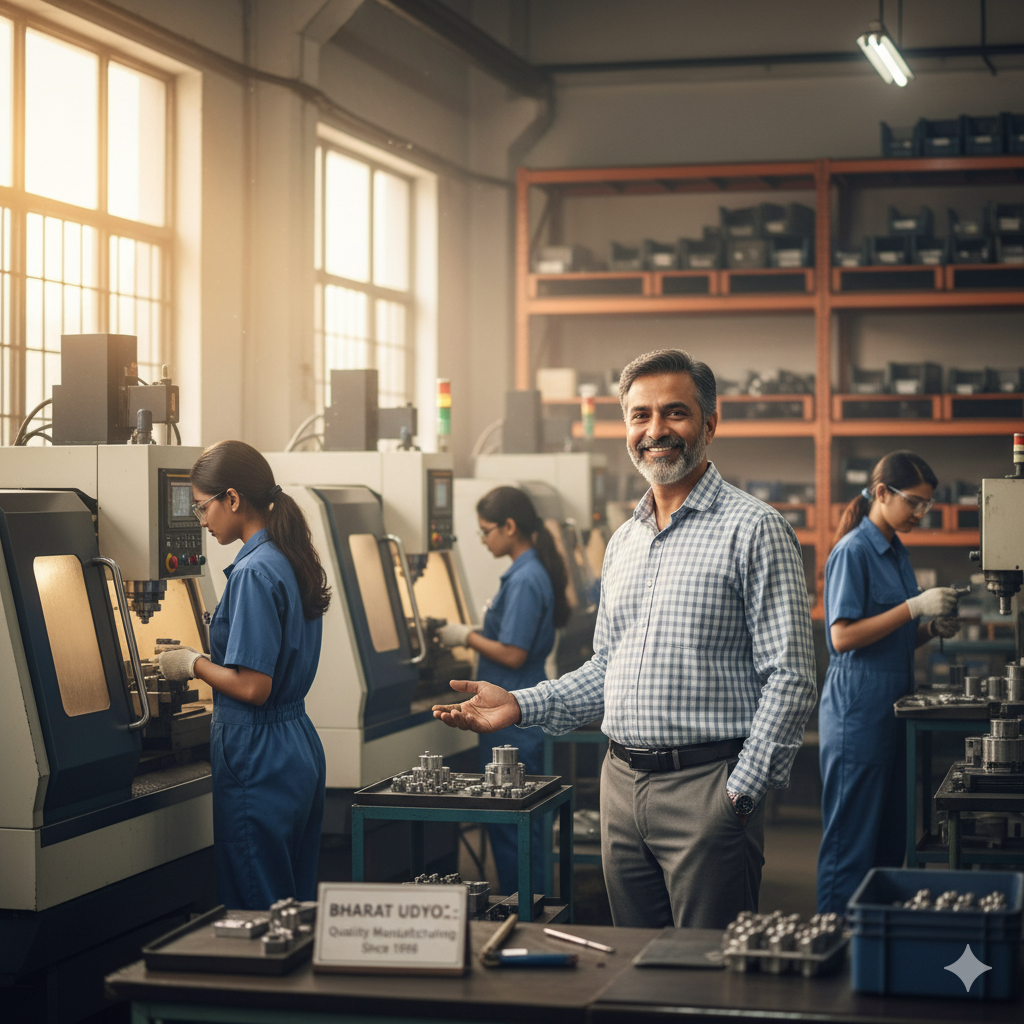
In an era of increasing environmental awareness and resource scarcity, Micro, Small, and Medium Enterprises (MSMEs) have a unique opportunity to lead the charge in sustainable manufacturing. Circular design principles offer a pathway to create products that are not only eco-friendly but also economically viable and consumer-centric. This article delves into how MSMEs can integrate circular design into their product development process, from initial concept to final consumer use.

Understanding Circular Design

Circular design is an approach that aims to eliminate waste and maximise resource efficiency throughout a product’s lifecycle. For MSMEs, this means:

  1. Designing for longevity and repair: Extend the lifespan of products by making them durable and repairable.
  2. Using sustainable and recyclable materials: Incorporate materials that can be reused or recycled at the end of their life cycle.
  3. Minimising waste in production: Reduce waste generation during the manufacturing process.
  4. Creating closed-loop systems for product recovery and recycling: Establish systems to reclaim products and recycle materials.

“Circular design isn’t just about sustainability; it’s about creating smarter, more efficient business models that benefit everyone.” – AICAN Optiwise

The Circular Design Process for MSMEs

  1. Conceptualization with Circularity in Mind:
    • Material selection: Choose renewable, recycled, or biodegradable materials.
    • Modular design: Create products with easily replaceable components.
    • Multifunctionality: Design products that serve multiple purposes to reduce overall consumption.
  2. Sustainable Production Techniques:
    • Implement lean manufacturing principles to reduce waste.
    • Utilise digital twin technology for optimised production planning.
    • Invest in energy-efficient machinery and renewable energy sources.
  3. Packaging and Distribution:
    • Design minimal, recyclable packaging.
    • Optimise logistics to reduce transportation emissions.
    • Collaborate with eco-friendly shipping partners.
  4. User Experience and Product Lifecycle:
    • Create products that encourage sustainable consumer behaviour.
    • Provide clear instructions for proper use, maintenance, and end-of-life disposal.
    • Offer repair services or easily accessible spare parts.
  5. End-of-Life Considerations:
    • Implement take-back programs for used products.
    • Design for easy disassembly and recycling.
    • Explore upcycling opportunities for materials from retired products.

Benefits of Circular Design for MSMEs

  1. Cost Reduction: Efficient use of resources and materials leads to lower production costs.
  2. Brand Differentiation: Stand out in the market with sustainable product offerings.
  3. Regulatory Compliance: Stay ahead of increasingly strict environmental regulations.
  4. Customer Loyalty: Meet growing consumer demand for eco-friendly products.
  5. Innovation Driver: Circular design challenges spark creative solutions and new business models.

Implementing Circular Design with AICAN Optiwise

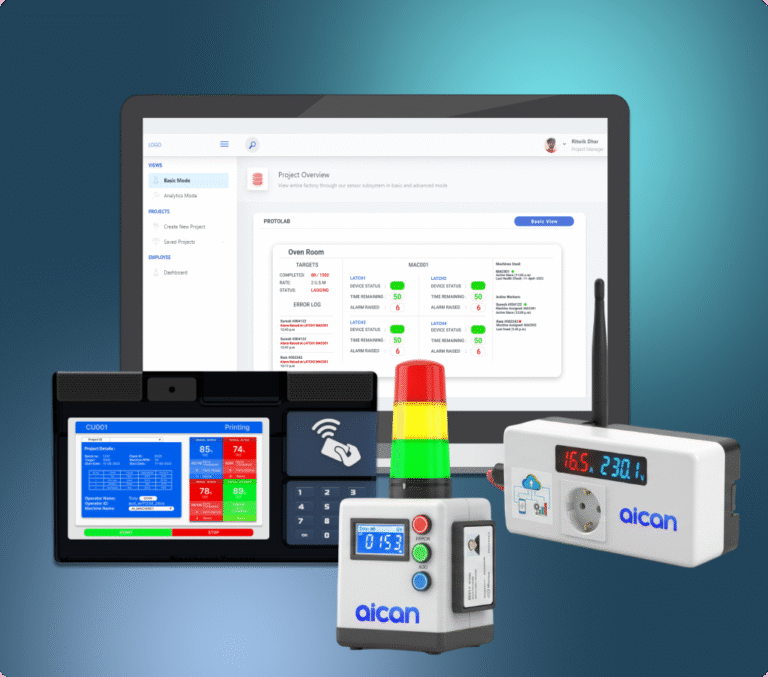
AICAN Optiwise offers tailored solutions to help MSMEs integrate circular design principles:

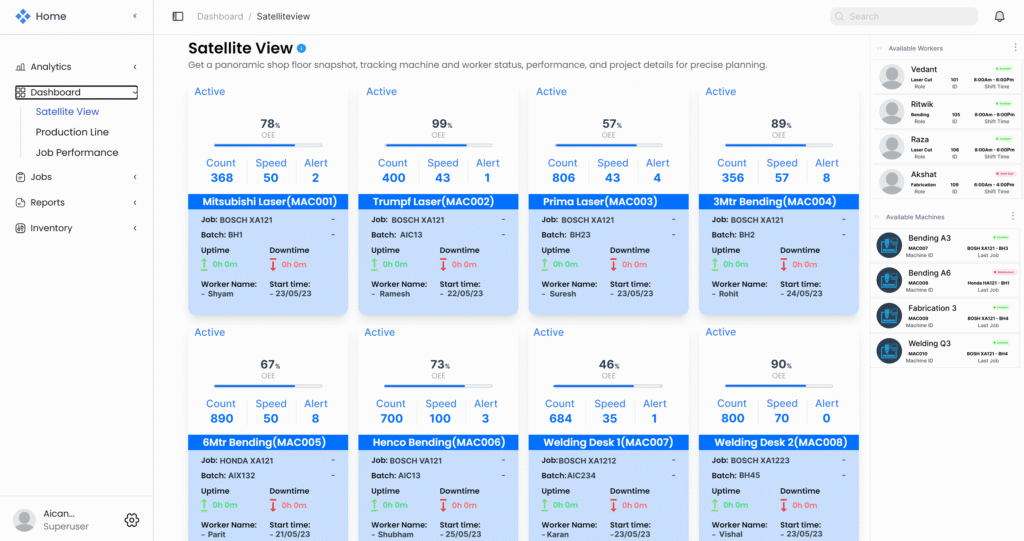
  1. Digital Twin Technology: Simulate and optimise product life cycles virtually.
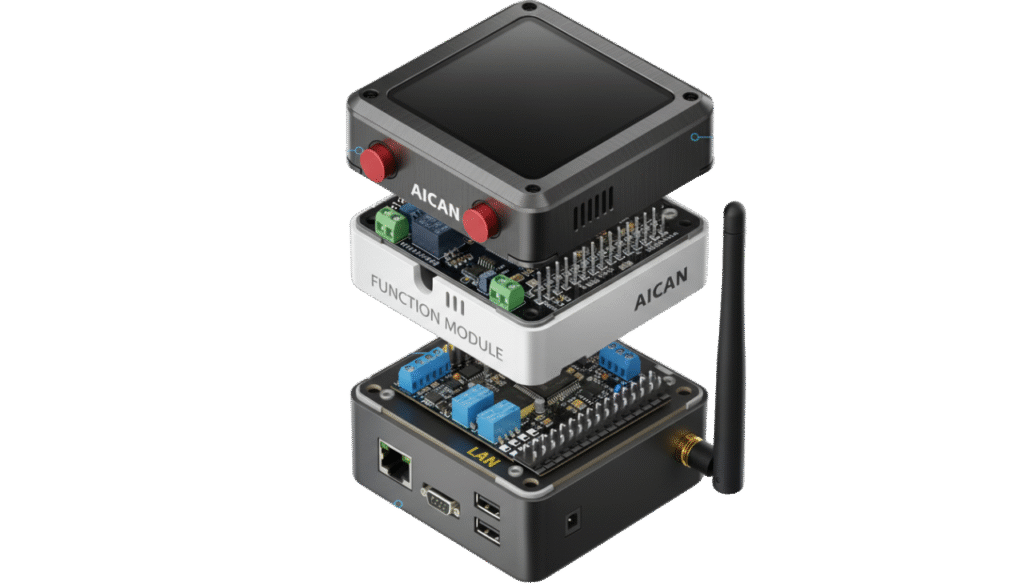
  2. IoT Integration: Monitor product performance and usage for continuous improvement.
  3. Supply Chain Optimization: Create efficient, closed-loop supply chains.
  4. Data Analytics: Gain insights to refine circular design strategies.

Case Study: Circular Success in Action

A small furniture manufacturer partnered with AICAN Optiwise to redesign their product line using circular principles:

  1. Implemented modular design for easy repair and upgrade.
  2. Utilised recycled wood and metal in production.
  3. Created a take-back program for old furniture.

Result: 30% reduction in material costs and 25% increase in customer satisfaction.

Overcoming Challenges in Circular Design

  1. Initial Investment: Start small and scale gradually.
  2. Design Complexity: Leverage digital toolsfor efficient prototyping.
  3. Supply Chain Adaptation: Work closely with suppliers to align with circular principles.
  4. Consumer Education: Communicate the value of circular products effectively.

Future Trends in Circular Design for MSMEs

As circular design evolves, we can expect:

  1. AI-driven material innovation: Smart algorithms to discover new sustainable materials.
  2. Blockchain for traceability: Enhanced tracking of materials throughout the product life cycle.
  3. Circular marketplaces: Platforms for MSMEs to exchange resources and byproducts.
  4. Personalised circularity: Tailored products that adapt to changing user needs over time.

Conclusion: Embracing the Circular Future

Circular design principles offer MSMEs a powerful framework to create products that are not only environmentally responsible but also economically advantageous. By reimagining the product lifecycle from concept to consumer and beyond, MSMEs can position themselves as leaders in the sustainable economy of tomorrow.

With solutions like AICAN Optiwise, even small manufacturers can access the tools and expertise needed to implement circular design principles effectively. As we move towards a more sustainable future, the MSMEs that embrace circularity today will be the industry leaders of tomorrow.

Are you ready to transform your MSME’s approach to product design and manufacturing? Discover how AICAN Optiwise can guide you through the circular design journey, ensuring your products are not just made, but made to last, repurpose, and inspire.

This article is brought to you by AICAN Optiwise – Simplifying end-to-end operations for MSME manufacturers with affordable pricing and customizations on the go.

esses to look beyond domestic markets. International networking events and trade fairs offer unparalleled opportunities for growth and expansion. Let’s explore how Indian MSMEs can make the most of these global platforms in 2024.

Why International Events Matter for Indian MSMEs

In an era of global competition, staying local is no longer an option. International events provide:

  1. Exposure to global trends
  2. Opportunities for export
  3. Access to cutting-edge technologies
  4. Potential for cross-border collaborations

As the famous saying goes:“The world is a book, and those who do not travel read only one page.”For MSMEs, international events are the pages that reveal new chapters of opportunity.

Top International Events for Indian MSMEs in 2024

Here’s a curated list of must-attend events:

  1. Hannover Messe 2024 (Germany)
    Focus: Industrial technology
    Opportunity: Showcase IoT innovations
  2. CeBIT Asia 2024 (China)
    Focus: Information technology
    Opportunity: Explore cybersecurity solutions
  3. GITEX 2024 (UAE)
    Focus: Technology and startups
    Opportunity: Network with global tech leaders

Preparing for International Events

To make the most of these opportunities, MSMEs should:

  1. Leverage Technology: Implement ERP solutions like AICAN Optiwise to streamline operations and impress potential partners.
  2. Focus on Sustainability: Highlight green manufacturing practices to appeal to environmentally conscious markets.
  3. Embrace Digital Marketing: Use digital platforms to create buzz before and during the event.

Maximising ROI at International Events

To ensure a high return on investment:

  1. Set clear goals
  2. Research attendees and exhibitors
  3. Prepare a compelling pitch
  4. Follow up diligently post-event

Remember, cost-effective strategies can yield significant results.

Overcoming Challenges

International events can be daunting for MSMEs. Common challenges include:

  • Language barriers
  • Cultural differences
  • Financial constraints

However, with proper planning and risk management, these hurdles can be overcome.

Government Support for MSMEs

The Indian government offers various schemes to support MSMEs in international ventures:

  • Market Development Assistance (MDA) Scheme
  • Market Access Initiative (MAI) Scheme

These initiatives align with the Atmanirbhar Bharat vision, empowering MSMEs to go global.

Future Trends in International Events

As we look ahead, several trends are shaping the future of international events:

  1. Hybrid Events: Combining physical and virtual elements
  2. Sustainability Focus: Eco-friendly event practices
  3. AI-Powered Networking: Using intelligent automation for better matchmaking

Conclusion

International networking events and trade fairs in 2024 present golden opportunities for Indian MSMEs to expand their horizons. By leveraging technology, focusing on sustainability, and embracing digital transformation, businesses can make a lasting impact on the global stage. Remember, success in these events isn’t just about attending – it’s about strategic preparation, active engagement, and diligent follow-up.

As you prepare for these exciting opportunities, consider how AICAN Optiwise can streamline your operations and boost your competitiveness. With the right tools and mindset, your MSME can turn these international events into launchpads for global success.

Are you ready to take your MSME to the world stage in 2024? The opportunities are waiting – seize them!

 
vedant@aican.co.in

Published at October 28, 2025

Leave a Reply

Your email address will not be published. Required fields are marked *

Related Posts

Continue Reading

Subscribe for Exclusive Insights and Offers

We never send you spam, we give you a great chance. You can unsubscribe anytime