
Can Vision Systems Work Outdoors or in Harsh Environments?
Learn how vision systems can work outdoors or in harsh manufacturing environments with proper enclosures, lighting, camera selection, cleaning, calibration, and maintenance planning.
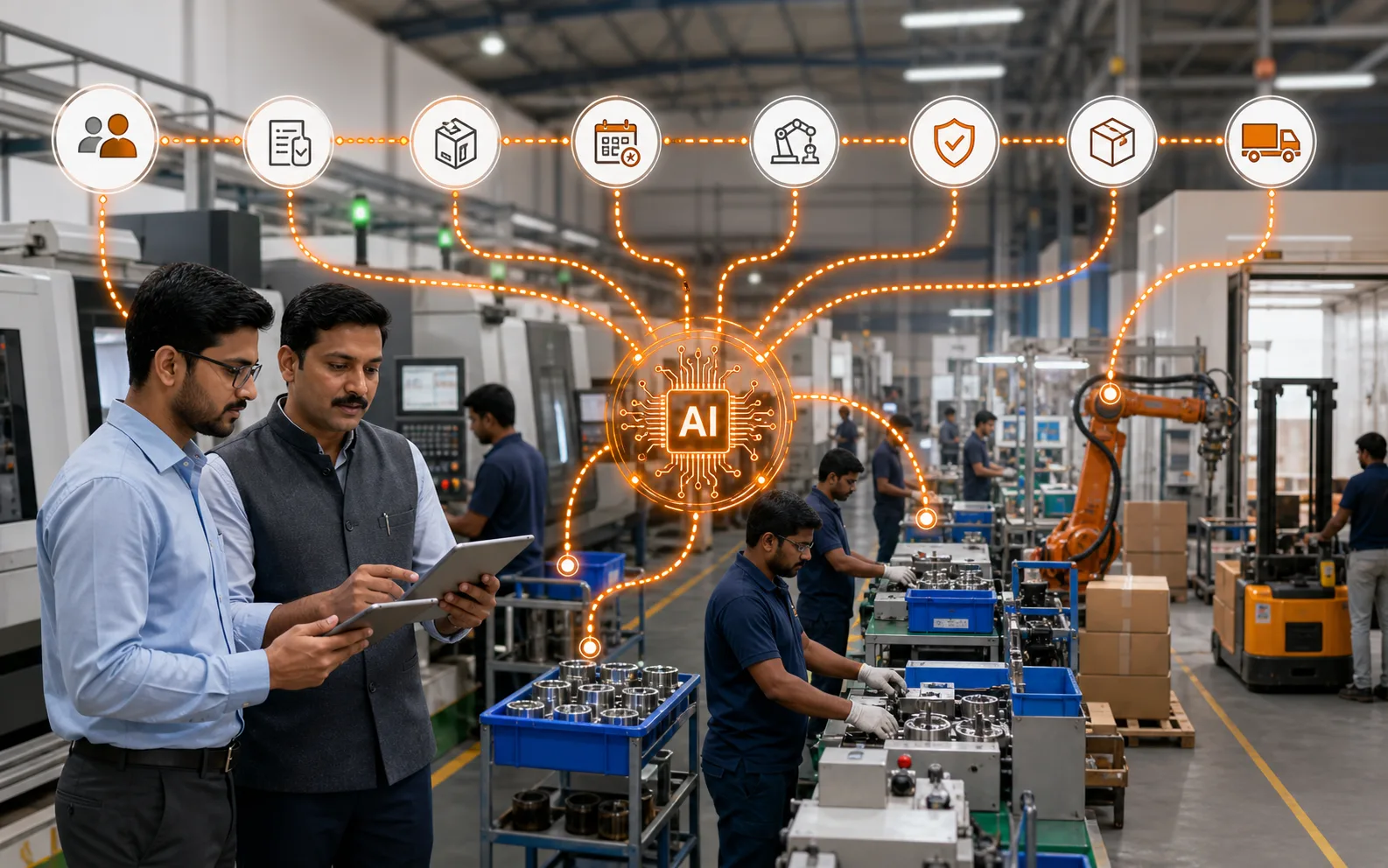
Computer vision can work in harsh environments, but the environment must be designed into the system.
Outdoor yards, dusty shops, hot areas, humid zones, oily lines, vibration-heavy machines, and washdown environments are all harder than clean indoor inspection stations.
That does not mean vision will fail. It means the camera, lighting, enclosure, mounting, cleaning routine, and software expectations must match the environment.
A harsh-environment vision project is not just a software project. It is an engineering project.
What makes outdoor vision difficult?
Outdoor inspection faces changing light, rain, dust, temperature, shadows, glare, and moving backgrounds.
Sunlight can change throughout the day. Clouds can reduce contrast. Wet surfaces can reflect light. Dust can cover lens shields. Heat can affect electronics. Wind may move objects or camera mounts.
The system must be designed to handle these changes or isolate the inspection from them.
What makes harsh indoor environments difficult?
Indoor factory environments can also be harsh.
Challenges include:
- Dust
- Oil mist
- Heat
- Steam
- Moisture
- Vibration
- Welding light
- Metal chips
- Chemical exposure
- Cleaning sprays
- Limited mounting space
Each condition affects hardware and image quality differently.
Use the right enclosure
The enclosure protects the camera and lens. In dusty, wet, hot, or dirty environments, enclosure choice is critical.
Consider:
- IP-rated protection
- Lens window material
- Cooling or ventilation
- Air purge for dust
- Washdown resistance
- Cable gland sealing
- Easy cleaning access
- Protection from impact
If the enclosure is poorly chosen, the camera may survive but the image may degrade.
Lighting must be controlled
Harsh environments often create unstable lighting. Outdoor sunlight, welding flashes, shadows, and reflections can confuse inspection.
Solutions may include:
- Enclosed inspection zones
- Artificial lighting stronger than ambient variation
- Strobe lighting
- Backlighting
- Polarising filters
- Sun shields
- Fixed camera exposure
- Time-of-day calibration where needed
Stable lighting is usually the difference between a reliable system and a frustrating one.
Mounting must resist vibration and movement
If the camera moves, the inspection changes.
In vibration-heavy environments, mounting must be rigid, protected, and periodically checked. Reference marks can help maintenance teams confirm camera position.
For outdoor poles or long brackets, wind and vibration must be considered. A small movement can affect measurement, alignment, or detection.
Cleaning and maintenance become more important
In harsh environments, lens windows may need regular cleaning. Dust, oil, water spots, and residue can reduce visibility.
A maintenance plan should define:
- Cleaning frequency
- Cleaning method
- Who is responsible
- What signs indicate image degradation
- How to check lighting health
- How to inspect enclosure seals
- What spare parts are needed
This prevents slow reliability loss.
Software should expect variation
The system may need wider tolerance, adaptive thresholds, AI models trained on environmental variation, or image quality checks.
But software cannot compensate for everything. If the image is repeatedly blocked, overexposed, blurred, or covered in dust, the setup must be improved physically.
Validate in real conditions
Testing in a clean room does not prove outdoor reliability.
Validate across real operating conditions:
- Morning and afternoon light
- Different weather if outdoors
- Normal dust exposure
- Production vibration
- Cleaning cycles
- Temperature changes
- Product variation
- Actual line speed
A system that works only during the installation demo is not ready.
Where AICAN Optiwise fits
AICAN Optiwise can help teams monitor inspection status, downtime, rejection patterns, and maintenance needs. In harsh environments, this visibility matters because problems may develop gradually.
AICAN focuses on practical factory systems that respect operating conditions, not ideal conditions. You can learn more at About AICAN.
Founder's Note
Harsh environments do not automatically rule out computer vision. They simply punish shortcuts. Protect the camera, control the light, stabilise the mount, and make maintenance visible. Then the system has a fair chance to perform.
FAQs
1. Can computer vision work outdoors?
Yes, with proper camera selection, enclosure, lighting control, mounting, environmental validation, and maintenance.
2. What is the biggest outdoor challenge?
Changing light is often the biggest issue, followed by dust, rain, glare, temperature, and camera movement.
3. Can cameras work in dusty factories?
Yes, but they may need protected enclosures, air purge, regular cleaning, and image-quality monitoring.
4. Do harsh environments need special software?
Sometimes, but physical setup comes first. Software performs better when lighting, mounting, and lens cleanliness are controlled.
5. How does Optiwise help in harsh environments?
Optiwise can help connect inspection status, downtime, maintenance actions, and quality trends so teams can respond before reliability drops.

Related Posts

Kanban System | Optiwise
Learn how a Kanban system works in manufacturing, where it helps, where it fails, and how Optiwise connects Kanban signals with inventory, purchase, and production planning.
12 Jun 2026Read more →Erp In Operations Management | Optiwise
Learn how ERP improves operations management by connecting planning, inventory, purchase, production, quality, dispatch, finance, and reporting.
12 Jun 2026Read more →ERP for FMCG Companies in India
A practical guide to ERP for FMCG companies in India, covering distributor orders, batch tracking, expiry, inventory, production, schemes, costing, and reporting.
11 Jun 2026Read more →
Optiwise, Odoo, Acumatica and Business Central for Manufacturing
Compare manufacturing workflows in Optiwise, Odoo, Acumatica and Dynamics 365 Business Central. See what your factory can run in Optiwise.
11 Jun 2026Read more →