
What Training Do Employees Need for Sensor-Based Systems?
Learn what training employees need for sensor-based manufacturing systems, including operators, supervisors, maintenance, quality, and managers.
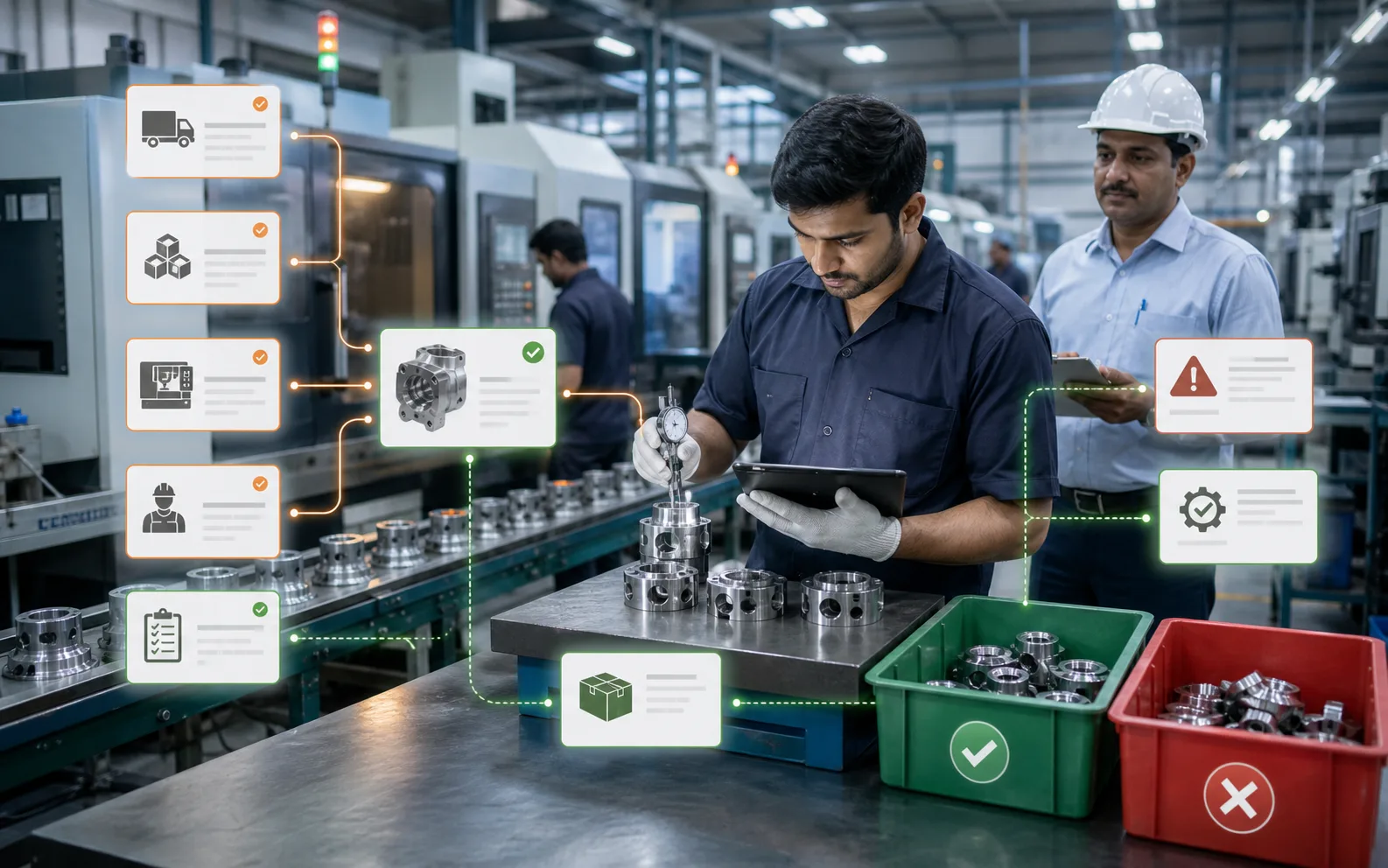
What Training Do Employees Need for Sensor-Based Systems?
A sensor-based system succeeds when people know what to do with the signal.
Installing sensors is only the technical part. The real change happens when operators understand what the sensor is measuring, supervisors know how to respond to alerts, maintenance teams trust the machine history, quality teams use process data correctly, and managers stop asking for duplicate manual reports when the system is already showing the answer.
For manufacturers evaluating AICAN Optiwise, employee training should not be treated as a one-time software demo. It should be built around the daily work of the factory.
Operators need simple, practical training
Operators do not need to learn the full technical architecture.
They need to know what the sensor-based system means for their station. If a sensor captures machine running status, the operator should understand what triggers running, idle, or stopped. If the system asks for downtime reasons, the operator should know when and how to enter them. If an alert appears, they should know whether to act, inform a supervisor, or wait for maintenance.
Operator training should cover:
- what is being measured
- what the dashboard or indicator means
- when manual input is required
- how to respond to alerts
- what not to override or ignore
- how to report wrong readings
The best operator training happens near the machine, using real examples.
Supervisors need exception-handling training
Supervisors need to turn sensor data into daily action.
They should know how to read machine status, downtime events, production count, shift performance, unresolved alerts, and abnormal conditions. More importantly, they should know how to respond: who to call, when to escalate, what to confirm, and how to close the loop.
A supervisor should not become a dashboard watcher. They should become faster at spotting exceptions.
Training should include realistic situations: a machine stops repeatedly, a sensor shows stale data, output is below plan, a downtime reason looks wrong, or a production-risk alert appears during the shift.
Maintenance teams need signal and history training
Maintenance teams need deeper training because sensors often support machine-health visibility.
They should understand sensor placement, signal meaning, common failure modes, calibration or validation needs, wiring basics, gateway health, and how to interpret trends. A vibration alert, temperature rise, current spike, or pressure drop should not be treated as a mysterious message. The team should know what it may indicate and how to investigate.
Maintenance training should cover:
- sensor location and purpose
- normal versus abnormal readings
- troubleshooting signal issues
- checking wiring and mounting
- reviewing machine history
- responding to alerts
- documenting action taken
This helps maintenance move from reactive response to evidence-based follow-up.
Quality teams need process-context training
Quality teams need to understand how sensor data connects to product outcomes.
If temperature, pressure, vibration, humidity, speed, or position affects quality, the quality team should know how to review those signals alongside inspection results. They should also understand thresholds, traceability, batch context, and what action is required when process conditions move outside acceptable range.
Sensor data should not become a separate technical stream. It should support quality investigation and prevention.
Managers need decision training
Owners and managers need to know how to use sensor data without micromanaging every reading.
They should learn which dashboards matter for daily review, which metrics are reliable, which alerts are critical, and how to ask better questions. The goal is to move from vague status checks to specific operational discussions.
Instead of asking, “Why is production low?” a manager can ask, “Why did Machine 4 lose 62 minutes to repeated short stops yesterday?”
That is the management value of training.
Everyone needs data-trust training
Sensor systems can lose trust if users do not understand what the data means.
Employees should know how to report a sensor that seems wrong, what stale data looks like, how communication loss is shown, and why manual overrides or skipped entries create bad reports.
Trust is built by explaining both strengths and limits.
A sensor can measure a signal. It may not know the full reason behind the event. People still provide context.
Training should continue after go-live
The first training session is not enough.
After the system runs for a few weeks, real questions appear. Users notice edge cases. Supervisors ask for better reports. Maintenance finds recurring issues. Operators discover confusing prompts. This is the best time for follow-up training.
A strong rollout includes refresher sessions, role-based guides, and review meetings where users discuss what the system is showing.
Where AICAN Optiwise fits
AICAN Optiwise supports manufacturers by turning sensor and machine data into dashboards, alerts, and operational visibility. Training matters because the platform creates value only when people use that visibility in daily decisions.
AICAN works with manufacturers who need practical adoption, not just installation. More about the company is available at About AICAN.
Founder’s Note
Technology adoption is not a test of whether people are smart. Factory teams already solve hard problems every day. Training should respect that experience and show how sensor data helps them see sooner, act faster, and argue less about what happened.
FAQs
Who needs training for sensor-based systems?
Operators, supervisors, maintenance teams, quality teams, managers, and administrators may all need role-specific training.
Do operators need technical sensor knowledge?
Only enough to understand what the system is measuring, how to respond, and when to report unusual readings.
How long does training take?
Basic training can be short, but adoption improves with follow-up sessions after real use begins.
What is the biggest training mistake?
Training everyone the same way. Each role needs different information and workflows.
How do we build trust in sensor data?
Validate readings, explain limits, show stale-data indicators, and give users a clear way to report problems.

Related Posts

Will AI Create More Jobs Than It Destroys?
Explore whether AI will create more jobs than it destroys, with a practical view of manufacturing, automation, new roles, reskilling, and business transformation.
13 Jun 2026Read more →Manufacturing AI vs. Hiring More Workers
Compare manufacturing AI with hiring more workers and learn when automation, better systems, training, or additional people are the right answer.
7 Jun 2026Read more →
Will AI Replace My Production Planning Job?
Understand how AI affects production planning jobs, what tasks may change, and how planners can become more valuable with AI-supported scheduling and visibility.
6 Jun 2026Read more →Do I Need Special Skills to Use AI in Manufacturing?
Learn what skills manufacturing teams need to use AI, including process knowledge, data discipline, prompt clarity, review judgment, ERP understanding, and change readiness.
6 Jun 2026Read more →