
Real Stories: How Experienced Floor Workers Adapted to Automation
Experienced floor workers adapt to automation by learning digital tools, using their machine knowledge, guiding younger teams, and improving problem-solving.
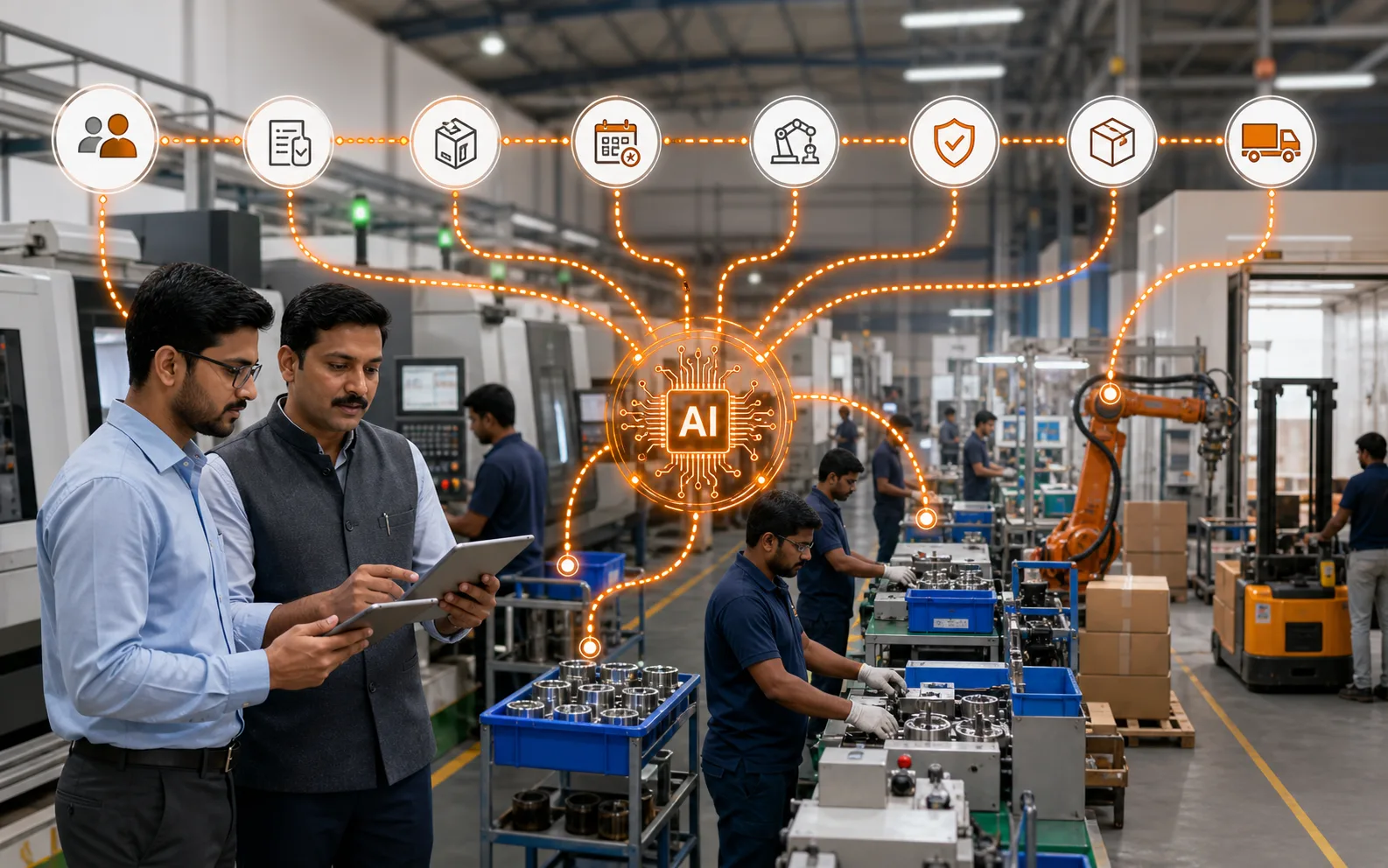
Real Stories: How Experienced Floor Workers Adapted to Automation
The most useful stories about automation are not dramatic. They are practical.
In many factories, experienced workers adapt by combining what they already know with new tools. They learn digital reporting, interpret machine alerts, guide younger workers, and help management understand what the dashboard cannot show.
This article shares realistic adaptation patterns without inventing fake company names or unsupported claims.
Pattern 1: The Operator Who Became a Better Problem Spotter
An experienced operator may already know when a machine sounds different or behaves oddly.
With digital alerts, that observation becomes easier to confirm and report. The worker’s experience becomes more visible.
Pattern 2: The Supervisor Who Stopped Chasing Updates
A supervisor who once spent time asking for production status can use dashboards to see delays earlier.
This frees time for coaching, problem-solving, and planning.
Pattern 3: The Quality Worker Who Uses Data to Prove Patterns
Quality teams often notice recurring defects before reports show them.
Digital records help prove where defects repeat by machine, shift, material, or product.
AICAN Optiwise supports these adaptation patterns by connecting production, inventory, purchase, sales, finance, reports, IoT readiness, and AI workflows.
Pattern 4: The Senior Worker Who Becomes a Trainer
Experienced workers can help others learn practical system use.
They understand both old methods and new workflows, making them valuable bridges during change.
Where AICAN Optiwise Fits
AICAN Optiwise helps manufacturers make worker knowledge part of connected operations. Digital tools become stronger when experienced people help shape their use.
Learn more at About AICAN.
Founder’s Note
Automation succeeds when it respects experience. Workers who know the floor deeply can make technology more practical and trustworthy.
The best transformation keeps experienced people close to the process.
FAQ
Can experienced workers adapt to automation?
Yes, especially with practical training and respect for their knowledge.
What helps adaptation?
Real examples, patient training, supervisor support, and feedback loops.
Does automation reduce the value of experience?
No. It can make experience more visible and useful.
Should experienced workers train others?
They can be excellent trainers when supported properly.
Final Thought
Experienced workers adapt best when automation builds on what they already know.
Technology and experience are stronger together. That is the practical transformation AICAN supports for factories.

Related Posts

Will AI Create More Jobs Than It Destroys?
Explore whether AI will create more jobs than it destroys, with a practical view of manufacturing, automation, new roles, reskilling, and business transformation.
13 Jun 2026Read more →Manufacturing AI vs. Hiring More Workers
Compare manufacturing AI with hiring more workers and learn when automation, better systems, training, or additional people are the right answer.
7 Jun 2026Read more →Will AI Replace My Production Planning Job?
Understand how AI affects production planning jobs, what tasks may change, and how planners can become more valuable with AI-supported scheduling and visibility.
6 Jun 2026Read more →Do I Need Special Skills to Use AI in Manufacturing?
Learn what skills manufacturing teams need to use AI, including process knowledge, data discipline, prompt clarity, review judgment, ERP understanding, and change readiness.
6 Jun 2026Read more →