
How Gst Compliance Can Be Simplified With Optiwise | Optiwise
Learn how ERP simplifies GST compliance by improving invoice accuracy, purchase records, ITC reconciliation, e-way bill readiness, e-invoice data, and reports.
How ERP Can Simplify GST Compliance For Manufacturers
GST compliance becomes stressful when businesses try to fix records at the end of the month. By then, invoices are already sent, purchase bills are scattered, GRNs are incomplete, and stock movement may not match documents.
The easier way is to capture GST-relevant data correctly while work is happening.
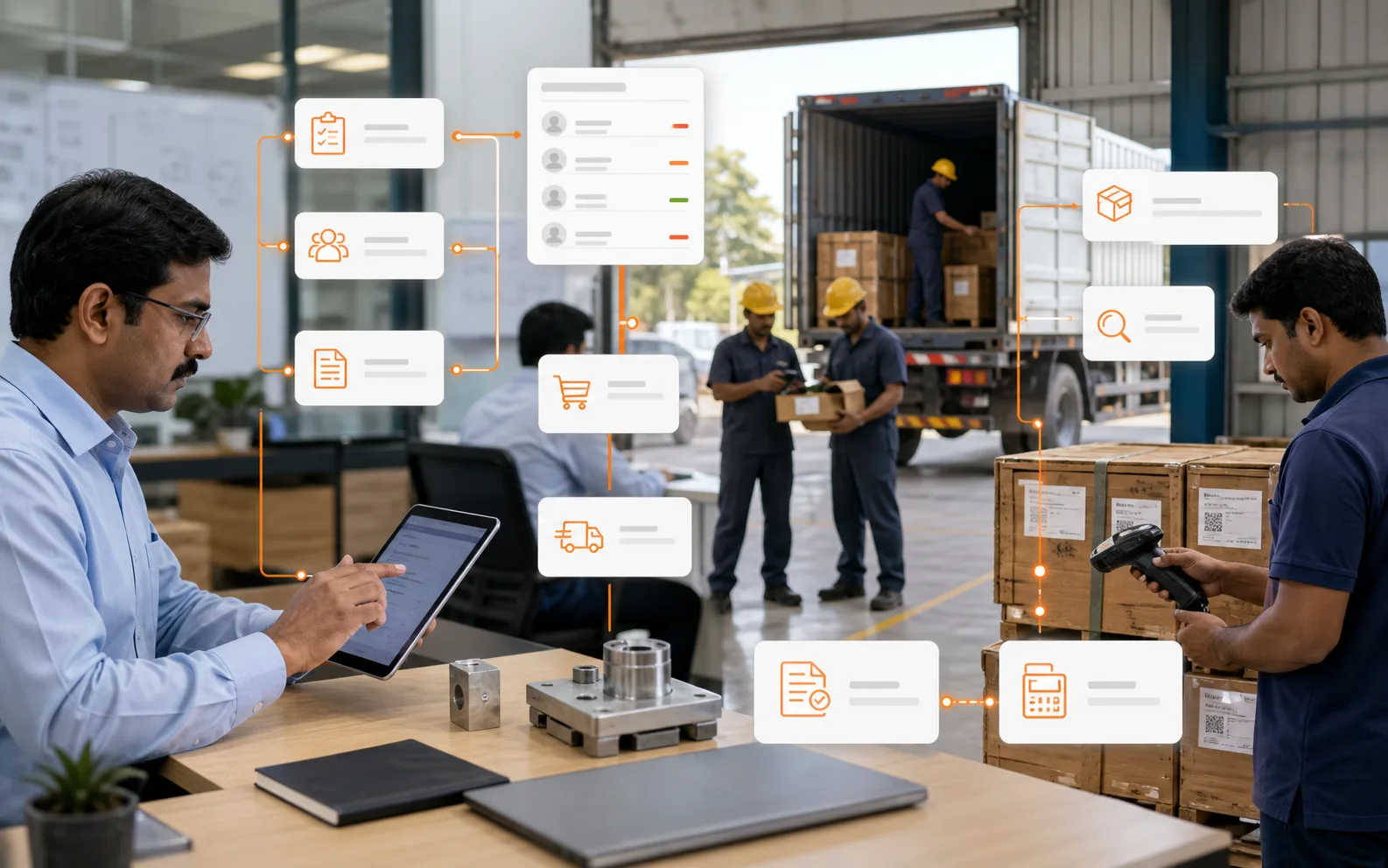
ERP helps because GST compliance depends on operational records: sales invoices, customer GSTINs, item HSN codes, tax rates, purchase invoices, goods receipts, credit notes, debit notes, dispatch records, and input tax credit review.
This article is general educational content, not tax, legal, or accounting advice. GST rules, filing requirements, e-invoice applicability, e-way bill rules, and ITC conditions can change. Businesses should verify current official GST/CBIC guidance and consult a qualified tax professional.
The sheet topic contains legacy wording, but the business need is clear. AICAN Optiwise helps manufacturers keep operational records cleaner so GST review becomes easier.
Why GST Compliance Feels Difficult
GST compliance is not difficult only because of the portal. It becomes difficult because business data is weak.
Common problems include:
- Wrong GSTIN in customer master
- Missing HSN/SAC codes
- Wrong tax rate
- Manual invoice numbering errors
- Purchase invoices not recorded on time
- GRN not linked to purchase bills
- ITC mismatches with GSTR-2B
- Credit notes not tracked properly
- E-way bill details prepared separately
- E-invoice data errors where applicable
These issues usually start outside accounts. They start in sales, purchase, stores, and dispatch.
Invoice Accuracy
A GST invoice must carry correct supplier, recipient, item, value, tax, and other applicable details. If invoices are created manually, errors increase.
ERP simplifies invoicing by pulling data from masters and transactions:
- Customer GSTIN
- Billing and shipping address
- Item description
- HSN/SAC
- Tax rate
- Quantity
- Price
- Place of supply
- Dispatch details where applicable
This reduces repeated manual entry and improves consistency.
Purchase And ITC Records
Input tax credit review depends on purchase discipline.
ERP helps maintain:
- Supplier GSTIN
- Purchase invoice number
- Invoice date
- Taxable value
- Tax amount
- GRN reference
- ITC eligibility notes
- Credit note or debit note linkage
When purchase records are clean, accountants can compare them more easily with GSTR-2B and supplier filings.
E-Way Bill Readiness
For movement of goods, e-way bill requirements may apply depending on value, movement type, and current rules.
ERP can support e-way bill readiness by keeping invoice, item, quantity, value, transporter, vehicle, and consignee details organized.
The final compliance step still needs current-rule review, but the data preparation becomes easier.
E-Invoice Readiness
E-invoicing applies to businesses crossing notified turnover thresholds, subject to exemptions and current GST rules.
ERP helps by maintaining fields needed for invoice reporting:
- Supplier GSTIN
- Buyer GSTIN
- Invoice details
- HSN
- Taxable value
- Tax breakup
- Place of supply
- Shipping details where needed
Clean source data reduces e-invoice rejection risk.
Return Preparation
GST returns depend on source transactions.
ERP can provide reports for:
- Sales register
- Purchase register
- Tax rate-wise sales
- HSN summary
- Credit notes and debit notes
- GSTR-1 review
- GSTR-3B review
- ITC reconciliation support
- Customer and supplier-wise summaries
These reports help accountants review rather than rebuild data.
Internal Controls
GST simplification is also about approvals and accountability.
A business should define:
- Who can create invoices
- Who can edit tax masters
- Who approves credit notes
- Who verifies purchase invoices
- Who reviews ITC mismatches
- Who handles e-way bill and dispatch documents
ERP can support this with user roles, approval flows, and audit trails.
Where AICAN Optiwise Fits
AICAN helps manufacturers connect the operations behind GST: sales, purchase, inventory, dispatch, and reporting. AICAN Optiwise does not replace professional GST advice, but it gives better records for that advice to work from.
For a growing SME, that difference matters. Month-end compliance becomes calmer when daily data is cleaner.
Founder’s Note
GST compliance should not depend on heroic month-end cleanup. It should be supported by the way the business works every day.
At AICAN, we build Optiwise around that belief: capture the right data once, connect it across departments, and make review easier for the people responsible for compliance.
FAQs
Can ERP simplify GST compliance?
Yes. ERP can simplify GST compliance by improving invoice accuracy, purchase records, ITC review data, dispatch information, and tax reports.
Does ERP replace a GST consultant?
No. ERP organizes business data. GST interpretation and filing decisions should be reviewed by qualified professionals.
How does ERP help with ITC reconciliation?
ERP maintains purchase invoice, supplier, tax, and GRN records that can be compared with GSTR-2B and other GST statements.
Is e-invoicing handled automatically by ERP?
Some systems support e-invoice data workflows, but applicability and filing rules must be checked under current GST guidance.
How can Optiwise help manufacturers?
Optiwise by AICAN connects sales, purchase, inventory, dispatch, and reports so GST-related records are cleaner and easier to review.

Related Posts
Types Of GST Returns For Manufacturers | Optiwise
A practical guide to GST returns for manufacturers, including GSTR-1, GSTR-3B, GSTR-9, GSTR-9C, composition returns, TDS/TCS returns, and reconciliation discipline.
17 May 2026Read more →Gst Invoice | Optiwise
Understand GST invoices, required details, common mistakes, e-invoice readiness, and how ERP helps manufacturers create accurate billing and tax records.
14 May 2026Read more →Gstr 10 | Optiwise
Learn what GSTR-10 final return is, who needs to file it, when it is filed, what records matter, and how ERP helps businesses close GST records cleanly.
20 Apr 2026Read more →
How to Transition Your Manual Accounting to ERP-Based Accounting
Learn how MSME manufacturers can move from manual or standalone accounting to ERP-based accounting with clean masters, opening balances, inventory links, approvals, and finance controls.
13 Apr 2026Read more →