
What Training Do My Team Members Need for IoT?
Learn what training operators, supervisors, maintenance, quality, IT, finance, and management need for successful IoT adoption in manufacturing.
What Training Do My Team Members Need for IoT?
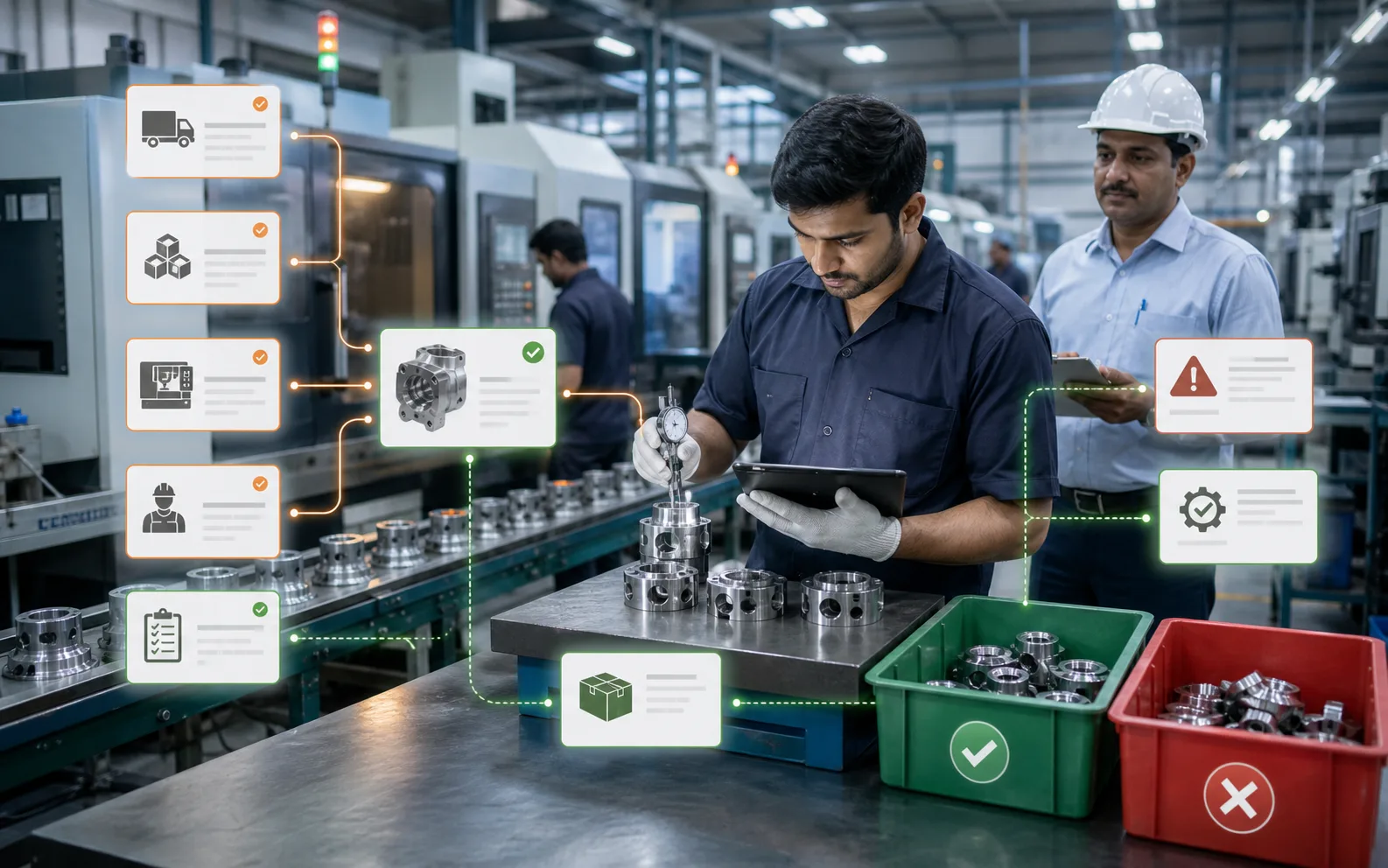
IoT training should teach people how to use factory data in their daily work, not just how to click through a dashboard. Successful adoption depends on operators, supervisors, maintenance, quality, planning, IT, finance, and management understanding what the system changes for them.
A common mistake is treating training as one software demo. That is not enough. IoT changes how problems are seen, reported, escalated, reviewed, and improved.
The goal of training is simple: help each role use the right data to make better decisions.
Operators Need Simple, Practical Training
Operators are often closest to the machine. Their training should be practical and respectful of their workload.
They need to know:
- what data is being captured automatically
- when they need to enter a reason code
- how to report abnormal machine behavior
- how alerts or prompts affect their work
- how to correct a wrong entry if allowed
- why accurate input helps the whole factory
Operator training should avoid heavy theory. It should use real examples from their line: material waiting, tool change, quality hold, machine stop, setup, cleaning, or maintenance request.
If operators understand that the system reduces repeated explanations and gets support faster, adoption improves.
Supervisors Need Loss and Action Training
Supervisors need to know how to use IoT data to manage the shift.
Their training should cover:
- target vs actual production
- machine status view
- downtime by reason
- repeated micro-stoppages
- hourly output trends
- alerts and escalations
- operator input review
- action tracking
A supervisor should be able to answer: where are we losing time right now, why is it happening, and what action is needed before the shift ends?
This training should be tied to review routines, not just screens.
Maintenance Needs Condition and Priority Training
Maintenance teams need to understand how IoT changes their response process.
Training should include:
- interpreting vibration, temperature, current, pressure, or energy trends
- reviewing repeated stoppages
- using alerts without overreacting
- logging inspection findings
- linking maintenance action to downtime reduction
- planning preventive work based on evidence
- understanding which alerts require urgent response
The goal is not to make maintenance dependent on dashboards. The goal is to give them better evidence for prioritization.
Quality Teams Need Traceability Training
Quality teams need training on how IoT connects inspection results with production conditions.
They should learn how to review:
- batch history
- machine and shift context
- rejection reasons
- process readings
- material lot information
- corrective action records
- repeated defect trends
This helps quality teams investigate faster and respond to customer complaints with stronger evidence.
IT and Admin Teams Need Security and Support Training
IT or admin teams need to understand device management, user access, network requirements, backups, vendor access, and basic security practices.
Training should cover:
- user roles and permissions
- device inventory
- password and access policies
- network segmentation basics
- update responsibilities
- backup and recovery process
- support escalation
- audit logs
This prevents IoT from becoming an unmanaged side system.
Management Needs Decision Training
Owners and managers need training too. They do not need every technical detail, but they need to know how to read the system without misusing it.
Management training should cover:
- exception dashboards
- productivity trends
- downtime impact
- energy and cost signals
- quality risk
- dispatch risk
- ROI tracking
- review meeting structure
The goal is to support better decisions, not micromanagement. If management uses data only to blame people, adoption will suffer. If management uses it to remove obstacles, adoption improves.
Train in Stages
One training session is rarely enough. A better approach is staged:
- pre-launch orientation: what is changing and why
- role-specific training: what each person must do
- go-live support: help during actual use
- first review session: discuss real data and errors
- follow-up training: correct habits and improve workflows
The most valuable training often happens after people have used the system for a few days and have real questions.
Where AICAN Optiwise Fits
AICAN Optiwise is designed for practical adoption across manufacturing teams. Production, inventory, purchase, sales, finance, and reporting only improve when people use the system consistently.
Optiwise supports connected workflows that help teams move from scattered updates to clearer action. You can explore AICAN and learn more on About AICAN.
FAQ
Who needs IoT training?
Operators, supervisors, maintenance, quality, planning, IT/admin, finance, and management may all need role-specific training.
How long does IoT training take?
Basic training may happen quickly, but adoption requires follow-up sessions after live usage.
What is the most important training topic?
For most factories, correct reason-code entry, dashboard interpretation, alert response, and review discipline are essential.
How do we reduce resistance?
Explain how the system helps people get support faster, reduces repeated reporting, and improves decisions. Avoid using it only as a blame tool.
Should training be different for each role?
Yes. Operators, supervisors, maintenance, quality, and management use different data and need different workflows.
Founder’s Note
At AICAN, we believe implementation succeeds when people understand the reason behind the system. Training is not a formality. It is where technology becomes part of the factory’s working rhythm.
A good system should make people more capable, not more confused.
Final Thought
IoT training is not about teaching software. It is about teaching a better operating habit.
Show each role what data matters, what action is expected, and how the factory will review progress. That is how adoption becomes real.

Related Posts

Will AI Create More Jobs Than It Destroys?
Explore whether AI will create more jobs than it destroys, with a practical view of manufacturing, automation, new roles, reskilling, and business transformation.
13 Jun 2026Read more →Manufacturing AI vs. Hiring More Workers
Compare manufacturing AI with hiring more workers and learn when automation, better systems, training, or additional people are the right answer.
7 Jun 2026Read more →
Will AI Replace My Production Planning Job?
Understand how AI affects production planning jobs, what tasks may change, and how planners can become more valuable with AI-supported scheduling and visibility.
6 Jun 2026Read more →Do I Need Special Skills to Use AI in Manufacturing?
Learn what skills manufacturing teams need to use AI, including process knowledge, data discipline, prompt clarity, review judgment, ERP understanding, and change readiness.
6 Jun 2026Read more →