
Manufacturing Industry Software Careers: A Complete Guide
A complete guide to software careers in manufacturing, including engineering, ERP, automation, IoT, data, AI, product, implementation, QA, and customer success roles.
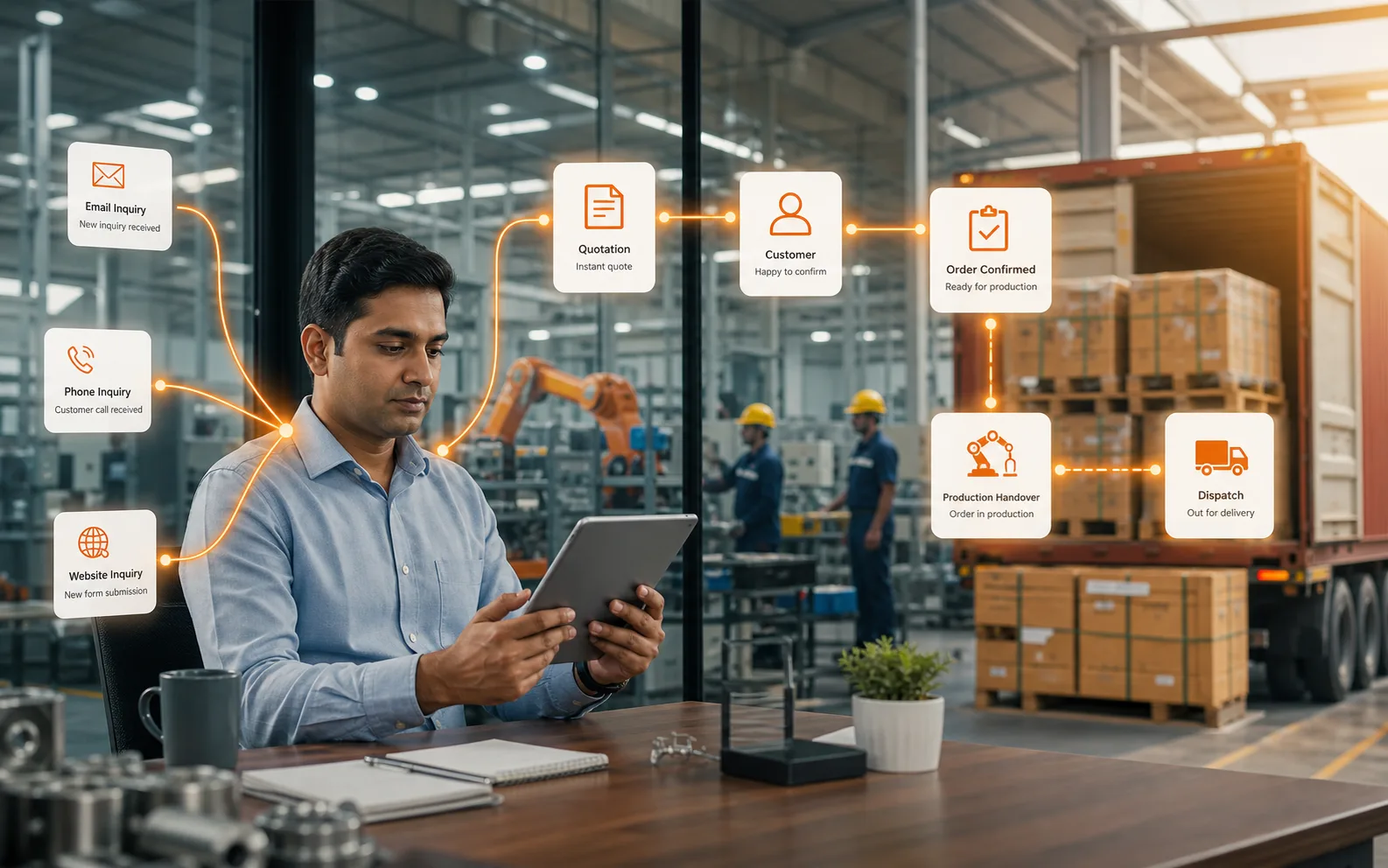
Manufacturing Industry Software Careers: A Complete Guide
Manufacturing software careers are growing because factories need better digital systems. These careers sit at the intersection of technology and real operations.
If you want tech work with practical impact, manufacturing can be a strong path.
Software Engineering
Engineers build ERP systems, shopfloor tools, dashboards, integrations, and automation platforms.
ERP Careers
ERP consultants, developers, support specialists, and implementation managers help manufacturers digitize operations.
Automation and IoT
Automation roles connect machines, sensors, PLCs, and digital dashboards.
Data and Analytics
Data roles analyze production, inventory, quality, downtime, supplier, and customer data.
AI Roles
AI roles focus on prediction, alerts, workflow assistants, data quality, and decision support.
Product Management
Product managers define manufacturing software features based on customer pain and workflow needs.
QA and Testing
QA teams test workflows, integrations, reports, and reliability.
Implementation and Customer Success
These roles help manufacturers adopt software, train teams, and achieve business outcomes.
Skills Needed
Useful skills include:
- Software development
- Databases
- APIs
- Cloud
- Data analysis
- ERP workflows
- Manufacturing domain knowledge
- Communication
- Problem solving
Where AICAN Optiwise Fits
AICAN Optiwise creates career opportunities across AI-native ERP, implementation, customer success, data, product, and manufacturing workflow design for MSME factories.
FAQ
Is manufacturing a good tech career path?
Yes, especially for people who like practical systems and operational impact.
Do I need mechanical engineering knowledge?
Not always, but manufacturing domain understanding helps.
What entry roles are available?
ERP support, QA, implementation, data analyst, and junior software roles are common starts.
Are AI roles growing in manufacturing?
Yes, as manufacturers digitize and use more operational data.
Final Thought
Manufacturing software careers are not secondary to tech-company careers.
They solve real problems where software meets machines, people, and production.

Related Posts

Will AI Create More Jobs Than It Destroys?
Explore whether AI will create more jobs than it destroys, with a practical view of manufacturing, automation, new roles, reskilling, and business transformation.
13 Jun 2026Read more →Manufacturing AI vs. Hiring More Workers
Compare manufacturing AI with hiring more workers and learn when automation, better systems, training, or additional people are the right answer.
7 Jun 2026Read more →
Will AI Replace My Production Planning Job?
Understand how AI affects production planning jobs, what tasks may change, and how planners can become more valuable with AI-supported scheduling and visibility.
6 Jun 2026Read more →Do I Need Special Skills to Use AI in Manufacturing?
Learn what skills manufacturing teams need to use AI, including process knowledge, data discipline, prompt clarity, review judgment, ERP understanding, and change readiness.
6 Jun 2026Read more →