
Will Manufacturing Jobs Pay More or Less With Automation?
Automation can change manufacturing wages by increasing demand for technical, quality, maintenance, supervision, data, and problem-solving skills.
Will Manufacturing Jobs Pay More or Less With Automation?
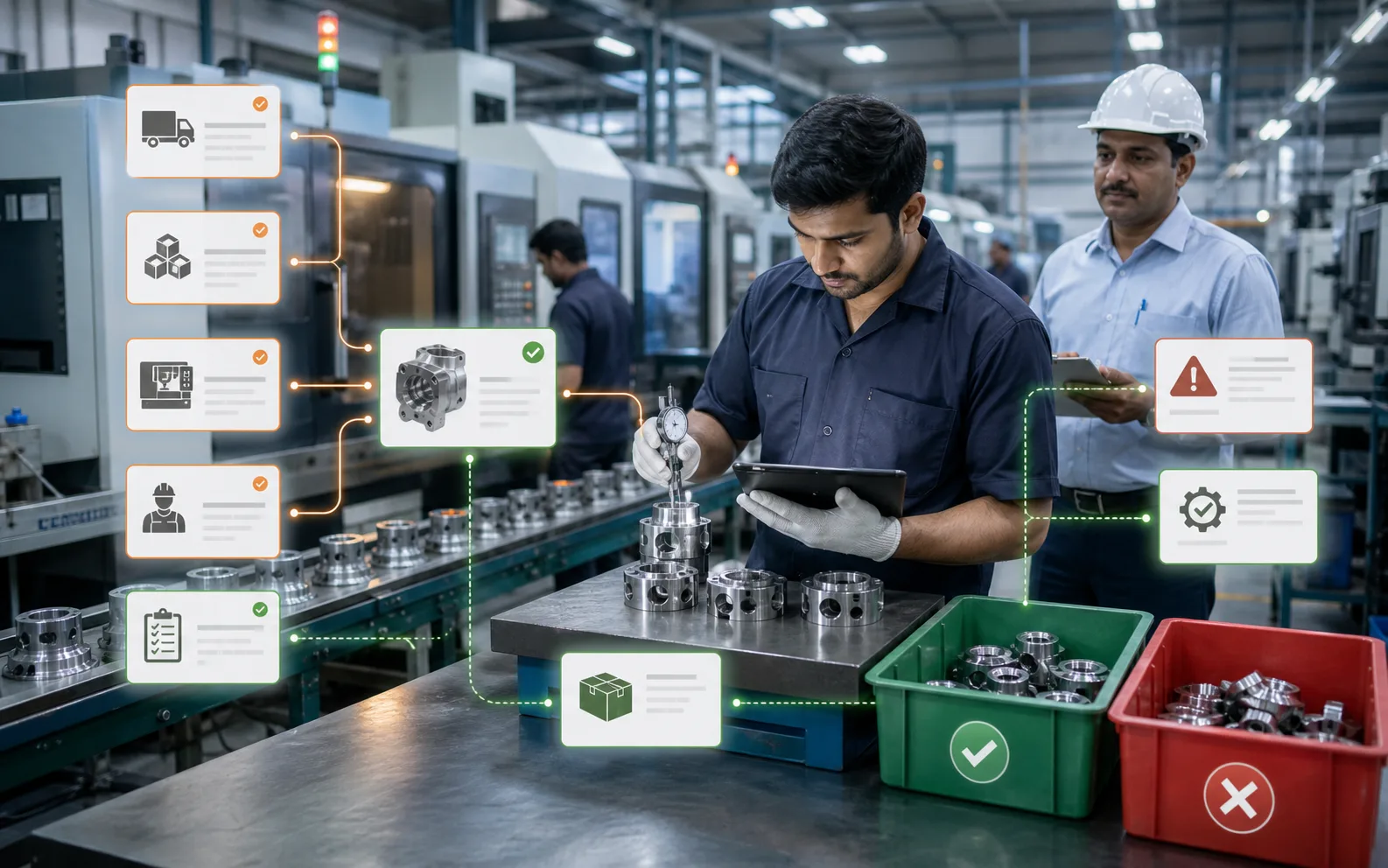
Manufacturing jobs may pay more for workers who build the skills needed in automated factories. Jobs that remain purely repetitive may face more pressure.
Automation changes the value of work. It reduces demand for some manual tasks but increases demand for people who can supervise machines, use digital systems, maintain equipment, interpret data, manage quality, and solve problems.
Wages will depend on skills, responsibility, industry, and company maturity.
Repetitive Tasks Face Pressure
Tasks that are simple, repetitive, and predictable are easier to automate.
Jobs built only around those tasks may see slower wage growth or reduced demand over time.
Technical and Judgment Skills Gain Value
Workers who understand machines, quality, maintenance, safety, digital tools, and production flow become more valuable.
Automation increases the need for people who can handle exceptions.
Supervisory Roles May Change
Supervisors may need to manage dashboards, alerts, digital workflows, and cross-functional coordination.
This can raise the skill requirement and value of good supervisors.
AICAN Optiwise helps factories connect shop floor work with production, inventory, purchase, sales, finance, reports, IoT readiness, and AI workflows.
Training Affects Pay Outcomes
Factories that invest in worker training can help employees move into higher-value roles.
Workers who keep learning are better positioned as automation grows.
Where AICAN Optiwise Fits
AICAN Optiwise supports a future where workers and managers use better systems to improve output, quality, and coordination. This makes digital skill development more valuable.
Learn more at About AICAN.
Founder’s Note
Automation should raise the quality of manufacturing work, not only reduce labor. The best factories will use technology to make people more capable.
Skills will decide who benefits most.
FAQ
Will automation reduce all manufacturing wages?
No. Wages may rise for roles requiring technical, digital, maintenance, quality, and problem-solving skills.
Which roles may pay more?
Maintenance, automation support, quality, supervision, process improvement, and data-aware roles may gain value.
What should workers learn?
Digital tools, machine awareness, quality systems, safety, and problem-solving.
Should companies train workers?
Yes. Training helps workers move into higher-value roles.
Final Thought
Automation will not affect every manufacturing job the same way.
Workers who build technical confidence and judgment will be better positioned for stronger roles. That is the future AICAN supports for manufacturing teams.

Related Posts

Will AI Create More Jobs Than It Destroys?
Explore whether AI will create more jobs than it destroys, with a practical view of manufacturing, automation, new roles, reskilling, and business transformation.
13 Jun 2026Read more →Manufacturing AI vs. Hiring More Workers
Compare manufacturing AI with hiring more workers and learn when automation, better systems, training, or additional people are the right answer.
7 Jun 2026Read more →
Will AI Replace My Production Planning Job?
Understand how AI affects production planning jobs, what tasks may change, and how planners can become more valuable with AI-supported scheduling and visibility.
6 Jun 2026Read more →Do I Need Special Skills to Use AI in Manufacturing?
Learn what skills manufacturing teams need to use AI, including process knowledge, data discipline, prompt clarity, review judgment, ERP understanding, and change readiness.
6 Jun 2026Read more →