
Manufacturing Tech Salaries: How They Compare to Big Tech
Compare manufacturing tech salaries with big tech compensation and understand trade-offs in stability, impact, specialization, growth, and long-term opportunity.
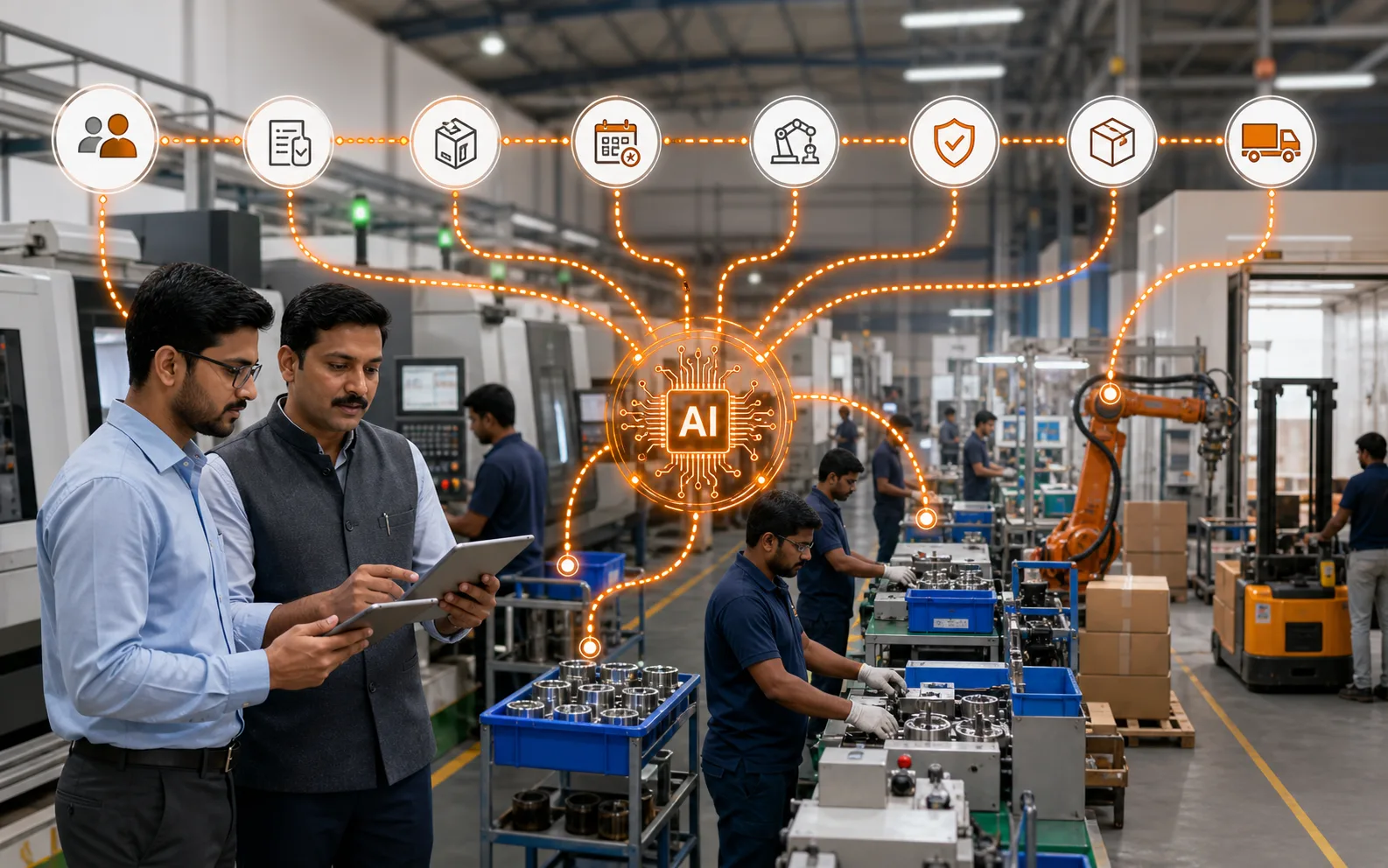
Manufacturing Tech Salaries: How They Compare to Big Tech
Manufacturing tech salaries usually do not match the highest compensation levels of big tech companies. Big tech can pay more because software is the core product, margins are different, and global scale creates intense competition for engineering talent.
But salary is only one part of the comparison. Manufacturing tech can offer stability, practical impact, domain depth, and long-term demand that many professionals value.
Why Big Tech Pays More
Big tech companies compete globally for specialized talent in distributed systems, AI, infrastructure, security, product engineering, and large-scale platforms. Their compensation may include high base pay, bonuses, stock, and strong benefits.
Manufacturing companies often operate with tighter margins and more traditional pay structures.
Where Manufacturing Tech Can Compete
Industrial SaaS companies, ERP vendors, automation platforms, and AI manufacturing startups can offer competitive compensation, especially for people with strong technical skills and domain expertise.
Specialized roles in IoT, data engineering, AI, ERP architecture, cybersecurity, and integration can pay well because the talent pool is smaller.
Stability and Impact
Manufacturing tech work can be more stable than roles tied to consumer growth cycles. Factories need systems to run every day. ERP, inventory, production, quality, and dispatch software are operationally important.
The impact is also visible. Your work can reduce downtime, improve stock accuracy, speed up reporting, or prevent quality issues.
Career Growth
Manufacturing tech rewards people who understand both software and operations. Over time, this can lead to roles in product, implementation leadership, solutions architecture, digital transformation, operations technology, or industrial AI.
How to Evaluate an Offer
Look beyond base salary. Consider learning, stability, domain depth, role clarity, team quality, plant exposure, technology stack, and growth path.
Where AICAN Optiwise Fits
AICAN Optiwise represents the newer side of manufacturing technology: AI-native ERP, connected operations, and practical digital transformation for MSME manufacturers. Roles around such platforms can offer meaningful growth because they sit in a market that is still modernizing.
FAQ
Does manufacturing tech pay less than big tech?
Often yes at the top end, but specialized industrial software roles can be competitive.
Is manufacturing tech worth considering?
Yes, especially if you value stability, domain expertise, and practical business impact.
Which roles pay best?
AI, data, IoT, ERP architecture, integration, and industrial SaaS product roles can pay well.
Final Thought
Big tech may win on peak compensation, but manufacturing tech offers a different kind of value: durable problems, real-world impact, and a domain that is becoming more digital every year.

Related Posts
A Manufacturing Alternative to SAP: Optiwise
Run your factory in Optiwise, a manufacturing alternative to SAP Business One with connected operations, AI agents and no-code workflows.
14 Jun 2026Read more →How Do I Know If My Manufacturing Business Really Needs an ERP?
A practical guide for manufacturers to identify when spreadsheets, manual follow-ups, and disconnected systems are no longer enough — and when ERP becomes an operational necessity.
14 Jun 2026Read more →Production Management System Optimized | Optiwise
Learn best practices for optimizing a production management system across planning, scheduling, material readiness, quality, and reporting.
12 Jun 2026Read more →
What Is the Best ERP for Pharmaceutical Manufacturing?
Learn how to choose the best ERP for pharmaceutical manufacturing, with guidance on batch control, quality workflows, traceability, inventory, documentation, and GMP discipline.
10 Jun 2026Read more →