
What Is GST Return? Guide For Manufacturers | Optiwise
Learn what a GST return is, why manufacturers file GST returns, key return types, reconciliation needs, common errors, and how clean operations support compliance.
What Is GST Return? Guide For Manufacturers
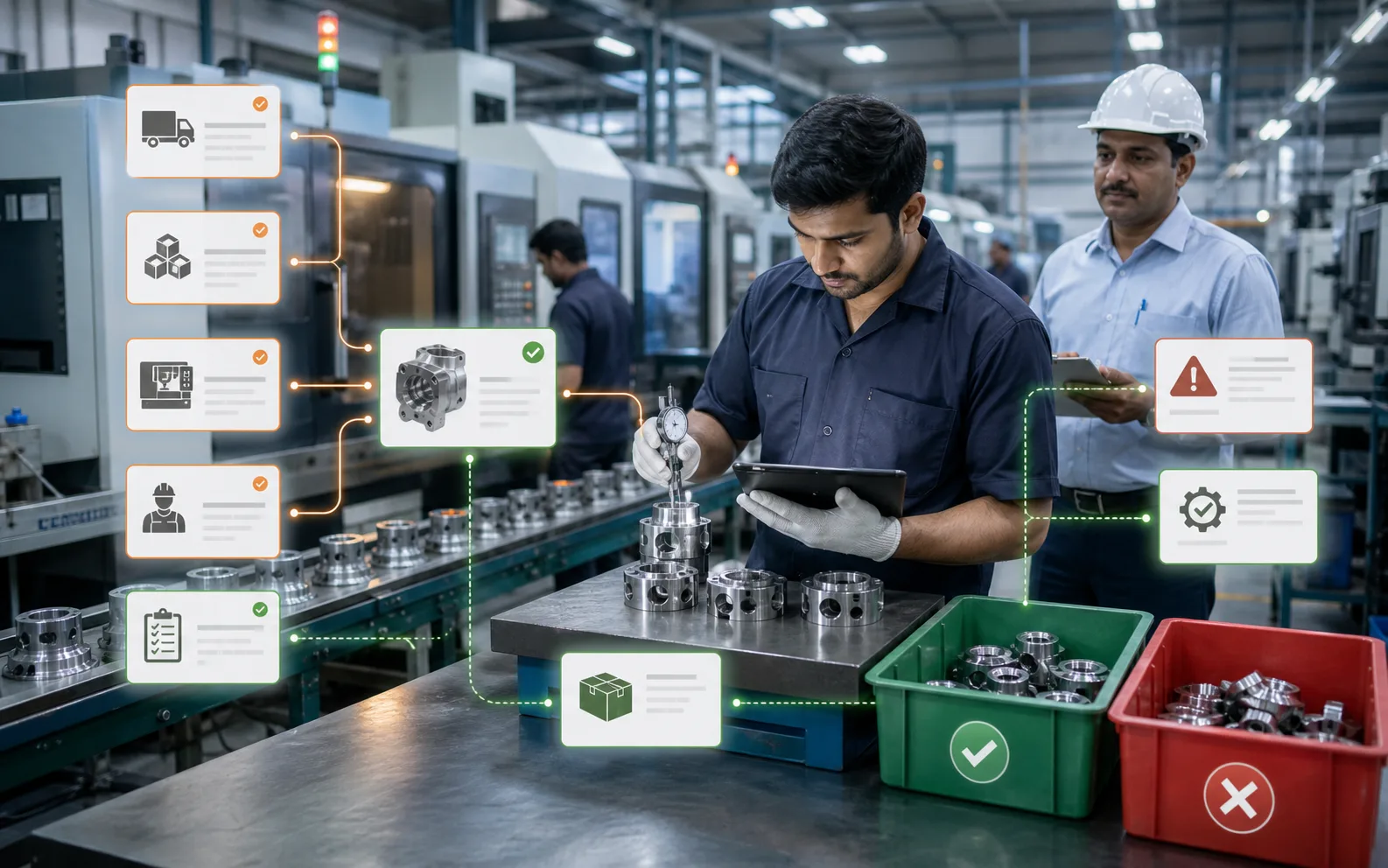
A GST return is where business activity becomes tax reporting. Sales invoices, purchase bills, credit notes, debit notes, input tax credit, outward supplies, and tax payments all need to line up. For manufacturers, the return is filed by finance, but the quality of the return depends on purchase, stores, production, sales, dispatch, and vendor follow-up.
This article explains GST returns in practical language for manufacturing SMEs. It is educational and not tax, accounting, or legal advice. GST rules, forms, thresholds, due dates, and filing requirements may change, so always confirm business-specific treatment with your CA, tax advisor, or official GST resources.
What Is A GST Return?
A GST return is a periodic statement filed by a registered taxpayer under Goods and Services Tax in India. It reports details such as sales, purchases, output tax, input tax credit, tax payable, and other information required under applicable GST rules.
For a manufacturer, GST return data is connected to invoices, material purchases, job work, stock movement, freight, customer billing, vendor compliance, and accounting records.
Why GST Returns Matter
GST returns affect compliance, input tax credit, customer relationships, vendor follow-up, cash flow, and audit readiness. If invoices are reported incorrectly, customers may not see proper credit. If vendor data is missing, ITC reconciliation may become difficult. If returns are delayed, penalties or interest may apply depending on current law.
A return is not just a form. It is a reflection of daily business discipline.
Common GST Returns
Regular taxpayers commonly deal with returns and statements such as GSTR-1, GSTR-3B, GSTR-9, GSTR-9C where applicable, and auto-drafted statements like GSTR-2A or GSTR-2B for reconciliation. Other forms may apply for composition taxpayers, TDS, TCS, non-resident taxpayers, or specific situations.
Manufacturers should not assume every return applies to them. Applicability depends on registration type, turnover, business activity, and current rules.
GSTR-1 And GSTR-3B
GSTR-1 generally reports outward supplies such as sales invoices, debit notes, and credit notes. GSTR-3B is a summary return used to report tax liability and input tax credit. These are central to recurring GST compliance for many registered businesses.
For manufacturers, clean invoice data is critical. Customer GSTIN, HSN, tax rate, place of supply, invoice number, taxable value, and credit notes must be handled correctly.
Purchase Reconciliation
GST return filing is not only about sales. Purchase reconciliation is equally important because input tax credit depends on supplier reporting and other legal conditions. Manufacturers should compare purchase books with auto-drafted GST data and follow up with vendors early.
If purchase invoices are recorded late or vendor reporting is incomplete, finance teams face avoidable month-end pressure.
Operational Data Behind GST Returns
Many GST issues begin outside accounts. Goods are received without proper inward entry. Dispatch happens before documents are complete. Customer master data is wrong. Credit notes are not communicated properly. Job work material is tracked separately.
AICAN Optiwise helps manufacturers improve the operational records that finance depends on. Cleaner purchase, inventory, sales, and dispatch visibility supports cleaner reporting.
Common Mistakes
Common mistakes include wrong GSTIN, incorrect tax rate, missing credit notes, unmatched purchase invoices, delayed vendor follow-up, wrong state code, duplicate invoices, and poor document control.
These mistakes are usually preventable with better process ownership and master data discipline.
Practical GST Return Hygiene
Maintain clean customer and vendor masters. Record purchase inward promptly. Match purchase invoices with goods received. Track credit notes and debit notes. Reconcile regularly. Keep unusual transactions separate for CA review. Do not wait until filing day to discover missing data.
Founder’s Note
At AICAN, we believe compliance becomes easier when operations are cleaner. Optiwise is not a tax filing tool; it helps manufacturers create better operational truth so finance teams are not forced to repair the month after it is already over.
FAQs
What is a GST return?
A GST return is a periodic filing that reports GST-related sales, purchases, tax liability, input tax credit, and other required details.
Who needs to file GST returns?
Registered taxpayers generally need to file GST returns based on their registration type and current GST rules.
Which GST returns are common for manufacturers?
GSTR-1 and GSTR-3B are common for regular registered taxpayers, while annual returns and other forms may apply depending on current rules.
Can software file GST returns automatically?
Software can help prepare data and reports, but filing and tax positions should be reviewed by qualified finance or tax professionals.
Is this tax advice?
No. Consult your CA, tax advisor, or official GST resources for business-specific filing requirements.

Related Posts
Types Of GST Returns For Manufacturers | Optiwise
A practical guide to GST returns for manufacturers, including GSTR-1, GSTR-3B, GSTR-9, GSTR-9C, composition returns, TDS/TCS returns, and reconciliation discipline.
17 May 2026Read more →
Gst Invoice | Optiwise
Understand GST invoices, required details, common mistakes, e-invoice readiness, and how ERP helps manufacturers create accurate billing and tax records.
14 May 2026Read more →Gstr 10 | Optiwise
Learn what GSTR-10 final return is, who needs to file it, when it is filed, what records matter, and how ERP helps businesses close GST records cleanly.
20 Apr 2026Read more →
How to Transition Your Manual Accounting to ERP-Based Accounting
Learn how MSME manufacturers can move from manual or standalone accounting to ERP-based accounting with clean masters, opening balances, inventory links, approvals, and finance controls.
13 Apr 2026Read more →