
Do I Need an IT Team to Run IoT Systems?
Learn whether manufacturers need an IT team for IoT systems, what responsibilities are required, and how small factories can manage IoT with vendors and internal ownership.
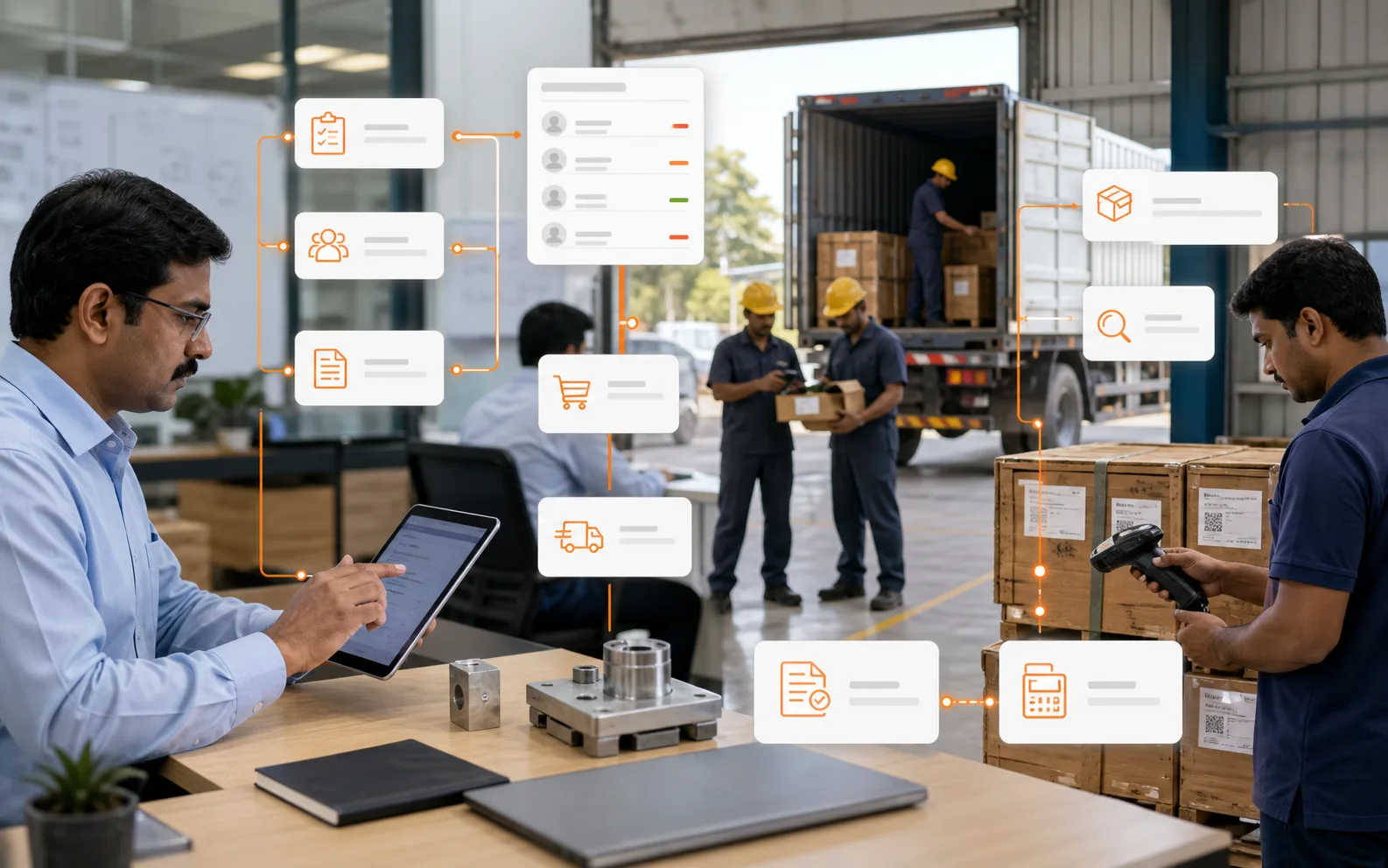
Do I Need an IT Team to Run IoT Systems?
You do not always need a large IT team to run IoT systems, but you do need ownership.
That is the practical answer.
Many small and mid-sized factories worry that IoT will require a full internal technology department. In some complex plants, strong internal IT and OT support is important. But for many focused IoT use cases, the factory can operate successfully with a clear internal owner, vendor support, basic IT discipline, and trained production or maintenance users.
The mistake is assuming nobody needs to own the system.
IoT for Manufacturing connects machines, sensors, dashboards, alerts, users, and sometimes cloud or local software. Someone must know what is connected, who uses it, what to do when data stops, how alerts are handled, and who calls support.
This guide explains what kind of team is needed to run IoT systems, what responsibilities matter, and how AICAN Optiwise can help manufacturers keep connected factory visibility practical.
IoT Needs Operational Ownership First
An IoT system should not belong only to IT.
It should have an operational owner: someone from production, maintenance, operations, or plant management who understands why the system exists.
This person should know:
- Which problem the system solves.
- Which machines or processes are connected.
- Which dashboards matter.
- Which alerts require action.
- Which users depend on the system.
- What improvement is expected.
Without operational ownership, IoT becomes a technical tool disconnected from factory decisions.
What IT Usually Handles
IT support may be needed for network, access, devices, security, backups, and software administration.
Typical IT responsibilities include:
- Network connectivity.
- User access and password policies.
- Device inventory.
- Cybersecurity controls.
- Firewall or remote access rules.
- Server or cloud access coordination.
- Backup and recovery support.
- Vendor access control.
- Troubleshooting connectivity issues.
A small factory may not have a full IT department, but these responsibilities still exist. They may be handled by a vendor, consultant, internal admin, or shared group depending on factory size.
What Maintenance Usually Handles
Maintenance teams often own machine-side realities.
They may support:
- Sensor health checks.
- Machine signal verification.
- Gateway location access.
- Electrical or panel coordination.
- Downtime reason validation.
- Machine condition interpretation.
- Troubleshooting device installation issues.
If a sensor is loose, a machine signal changes, or a gateway loses power, maintenance may be the first team to inspect the physical setup.
What Production Usually Handles
Production teams use IoT data to run the shift better.
They may handle:
- Reviewing production dashboards.
- Responding to output shortfall alerts.
- Confirming downtime reasons.
- Checking planned vs actual progress.
- Using WIP or job status visibility.
- Escalating urgent issues.
- Giving feedback on dashboard usefulness.
If production does not use the system, IoT will not improve production.
What Vendors Usually Support
A good IoT or manufacturing software vendor should support implementation and ongoing use.
Vendor responsibilities may include:
- System setup.
- Device or gateway configuration.
- Software configuration.
- Dashboard setup.
- User training.
- Technical troubleshooting.
- Updates and support.
- Guidance on best practices.
Manufacturers should clarify support terms before implementation. Ask what is included, what is chargeable, response times, escalation process, and who handles hardware vs software issues.
Small Factories Can Use a Lean Model
A small factory may not need separate IT, OT, analytics, and automation teams.
A practical lean ownership model can include:
- One internal business owner from operations.
- One production or maintenance champion.
- Vendor support for technical configuration.
- Basic IT support for network and access.
- Clear escalation process when something stops working.
This is enough for many focused use cases such as machine status, downtime tracking, production monitoring, or energy visibility.
Skills Needed to Run IoT Well
The factory does not need everyone to become a technologist.
But the team should understand:
- What the dashboard means.
- How alerts should be handled.
- How to identify missing or wrong data.
- Who to call for support.
- How to add or remove users.
- How to review reports.
- How to interpret basic trends.
- How to connect insights to action.
The most important skill is not coding. It is using data in daily operations.
Signs You Need More IT Support
Some situations require stronger IT involvement.
You may need deeper IT or cybersecurity support if:
- Many machines and sites are connected.
- Remote access is required.
- Data is stored across multiple systems.
- Integration with ERP or other software is complex.
- Customer or regulatory security requirements apply.
- Network segmentation is needed.
- There are strict backup or uptime requirements.
- The system affects critical operations.
As IoT expands, governance becomes more important.
Avoid the “Vendor Will Handle Everything” Trap
Vendors can help a lot, but the factory must still own the outcome.
A vendor may configure dashboards, but only the factory knows whether the dashboard supports the shift. A vendor may set alerts, but the factory must decide who responds. A vendor may maintain software, but the factory must review whether the system is improving downtime, output, quality, or energy.
If the factory outsources ownership completely, the system may run technically but fail operationally.
Build a Simple Responsibility Matrix
Before go-live, define who owns what.
A simple responsibility matrix can include:
- Machine/device health.
- Network connectivity.
- User access.
- Dashboard review.
- Alert response.
- Downtime reason correction.
- Report review.
- Vendor support contact.
- Change requests.
- Data quality issues.
This prevents confusion when something goes wrong.
Where AICAN Optiwise Fits
AICAN Optiwise helps manufacturers make connected factory visibility easier to operate by bringing production, maintenance, quality, inventory, and dispatch information into practical workflows.
For IoT adoption, this matters because the system should support the people who run the factory. It should not require every user to understand technical architecture.
Optiwise can help manufacturers work toward:
- Role-based dashboards for different teams.
- Clear production and downtime workflows.
- Better coordination between production, maintenance, quality, stores, and dispatch.
- Practical alerts and management views.
- Reduced dependence on manual status chasing.
- A more structured operating rhythm for connected data.
AICAN builds systems for manufacturers who need useful technology that real teams can operate. Learn more at About AICAN.
FAQ
Do I need an IT team to run IoT systems?
Not always. A small factory can often run focused IoT use cases with an internal operations owner, production or maintenance champion, vendor support, and basic IT support for network and access.
Who should own IoT in a factory?
IoT should have an operational owner from production, maintenance, operations, or plant leadership. IT may support the system, but the business owner should ensure the data improves factory decisions.
What does IT need to manage for IoT?
IT may manage connectivity, user access, security controls, remote access, backups, device inventory, and vendor coordination depending on the system and factory size.
Can vendors manage IoT systems for us?
Vendors can provide setup, support, training, troubleshooting, and updates. But the factory still needs internal ownership for using the data, responding to alerts, and measuring improvement.
What skills do factory teams need for IoT?
Teams need to understand dashboards, alerts, data quality, basic troubleshooting, escalation process, and how to use insights in daily production, maintenance, quality, or energy decisions.
How does AICAN Optiwise make IoT easier to run?
AICAN Optiwise provides role-based workflows and dashboards that connect IoT and factory data with production, maintenance, quality, inventory, and dispatch decisions.
Founder’s Note
Technology fails when everybody assumes somebody else owns it.
IoT does not need a huge team to start, but it does need clear responsibility. Who checks the dashboard? Who responds to alerts? Who verifies data? Who calls support? Who decides whether the system is helping?
At AICAN, we believe ownership is what turns software into operating discipline. The best systems are not just installed. They are used, reviewed, and improved by the people running the factory.
Final Thought
You may not need a large IT team to run IoT, but you do need a clear operating model.
Assign ownership, define support responsibilities, train users, and keep the first use case practical. With the right structure, even small factories can run IoT systems confidently and use the data to improve daily decisions.

Related Posts

Will AI Create More Jobs Than It Destroys?
Explore whether AI will create more jobs than it destroys, with a practical view of manufacturing, automation, new roles, reskilling, and business transformation.
13 Jun 2026Read more →Manufacturing AI vs. Hiring More Workers
Compare manufacturing AI with hiring more workers and learn when automation, better systems, training, or additional people are the right answer.
7 Jun 2026Read more →
Will AI Replace My Production Planning Job?
Understand how AI affects production planning jobs, what tasks may change, and how planners can become more valuable with AI-supported scheduling and visibility.
6 Jun 2026Read more →Do I Need Special Skills to Use AI in Manufacturing?
Learn what skills manufacturing teams need to use AI, including process knowledge, data discipline, prompt clarity, review judgment, ERP understanding, and change readiness.
6 Jun 2026Read more →