
What Is Logistics In Manufacturing? | Optiwise
Learn logistics in manufacturing, including inbound, internal, outbound logistics, documentation, costs, delays, and how Optiwise improves operational visibility.
What Is Logistics In Manufacturing?
A product is not delivered just because production is complete. Material has to arrive, move, wait, get issued, get packed, get documented, and reach the customer. Every movement has cost and risk. Logistics is the discipline that manages that movement.
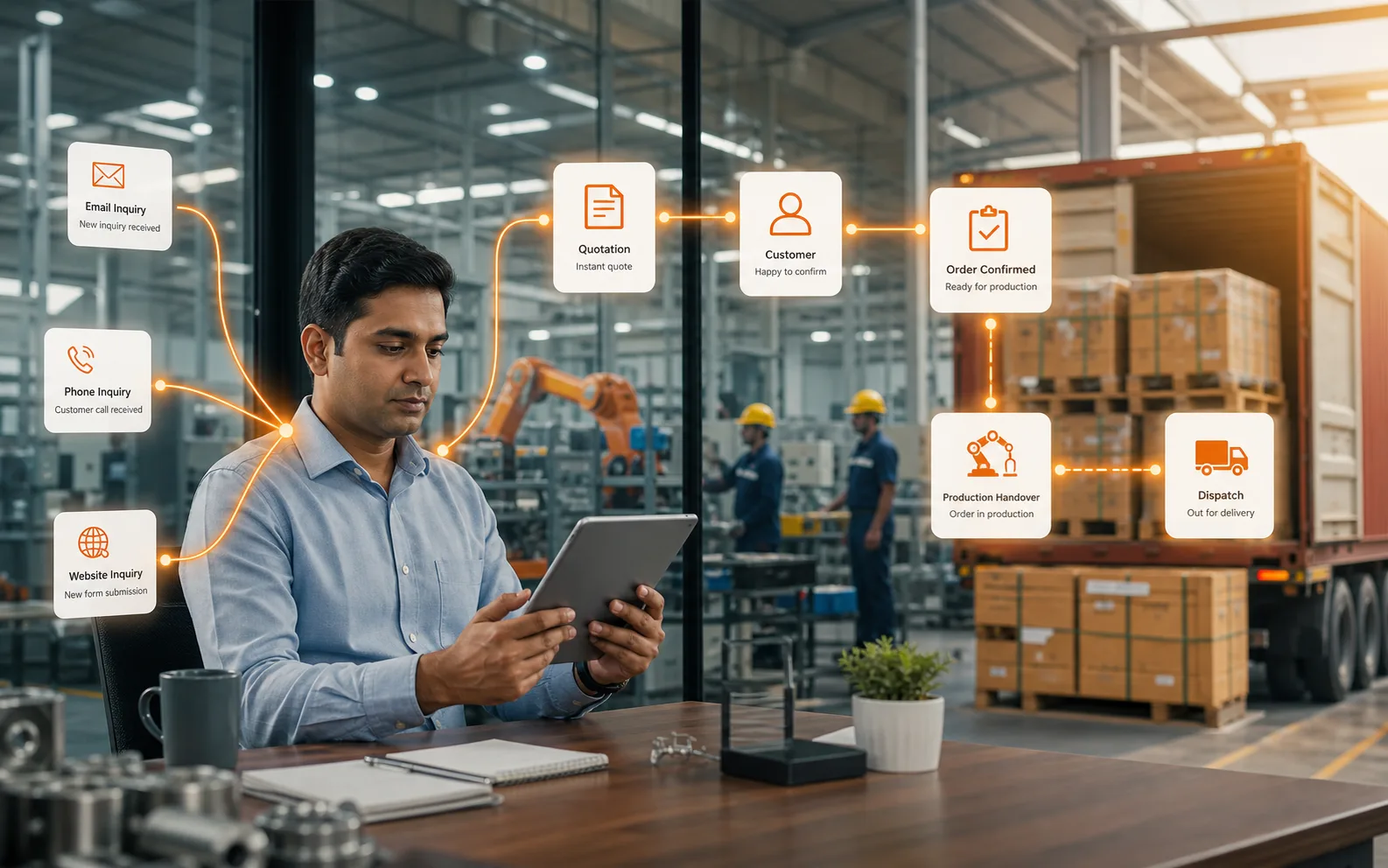
In manufacturing, logistics covers the flow of material, goods, information, and documents from suppliers to the factory, inside the factory, and from the factory to customers. It affects production continuity, delivery reliability, inventory cost, customer experience, and cash flow. AICAN Optiwise helps manufacturers connect logistics-related signals with purchase, inventory, production, sales, and dispatch visibility.
What Is Logistics?
Logistics is the planning and management of movement and storage of goods, materials, and related information. In a manufacturing business, this includes inbound logistics, internal logistics, and outbound logistics.
Good logistics ensures the right material reaches the right place, at the right time, in the right condition, with the right documents.
Inbound Logistics
Inbound logistics covers movement from suppliers to the factory. It includes vendor dispatch, transport, gate entry, unloading, receiving, inspection, and putaway.
If inbound logistics is weak, production may stop because raw material is delayed, damaged, short, or not recorded correctly. Purchase teams should track supplier lead time, delivery reliability, freight cost, and document completeness.
Internal Logistics
Internal logistics covers movement inside the factory or warehouse. Raw material moves from receiving to storage, from storage to production, from one production stage to another, and from production to finished goods.
Poor internal logistics creates searching, waiting, wrong issue, excess WIP, and safety risk. Location control, material issue discipline, WIP tracking, and layout design matter here.
Outbound Logistics
Outbound logistics covers finished goods movement from factory to customer, dealer, distributor, or warehouse. It includes packing, labelling, invoice readiness, transport booking, loading, dispatch documents, delivery tracking, and proof of delivery.
A delay at this stage can affect payment collection and customer trust even if production finished on time.
Logistics And Documentation
Documents matter. Purchase orders, invoices, delivery challans, e-way bills where applicable, packing lists, transport receipts, test certificates, and customer-specific documents must be correct.
Incorrect documents can delay trucks, payment, or customer acceptance. Compliance requirements should be confirmed with qualified professionals where needed.
Logistics Costs
Logistics cost includes freight, handling, packing, storage, damage, delay, urgent transport, reverse logistics, and administrative effort. Many SMEs underestimate urgent freight caused by poor planning.
A cheaper transport option is not always cheaper if it causes delay, damage, or customer dissatisfaction.
Common Logistics Problems
Common problems include delayed vendor dispatch, missing documents, poor packaging, stock not ready, wrong material issue, unclear dispatch priority, transport delays, and lack of delivery confirmation.
Most logistics issues are cross-functional. Purchase, stores, production, sales, dispatch, finance, and customer service all influence the result.
How Optiwise Helps
Optiwise by AICAN helps manufacturers improve visibility across purchase, inventory, production, sales, and dispatch. Logistics improves when teams can see what material is expected, what stock is available, what production is complete, and what orders are ready to ship.
The goal is fewer surprises between order and delivery.
Improving Logistics In SMEs
Track vendor delivery performance. Standardize receiving. Improve warehouse layout. Use dispatch checklists. Keep customer documents ready. Review urgent freight causes. Track proof of delivery. Connect logistics reviews with production and sales meetings.
Logistics improves when movement and information are managed together.
Founder’s Note
At AICAN, we see logistics problems appear as customer complaints, production delays, or cash-flow delays. Optiwise helps manufacturers make movement visible so teams can act before small delays become business problems.
FAQs
What is logistics in manufacturing?
It is the management of material, goods, information, and documents moving into, within, and out of the factory.
What are the main types of logistics?
The main types are inbound logistics, internal logistics, and outbound logistics.
Why is logistics important for manufacturers?
It affects material availability, production continuity, dispatch reliability, customer satisfaction, and cost.
How can SMEs reduce logistics problems?
Improve vendor tracking, receiving discipline, warehouse layout, dispatch checklists, documentation, and delivery visibility.
How does Optiwise help logistics?
Optiwise connects purchase, inventory, production, sales, and dispatch visibility so logistics decisions are based on shared data.

Related Posts
Sales Invoice Management Process For SMEs | Optiwise
A practical guide to sales invoice management for SME manufacturers, covering order confirmation, dispatch, GST details, documentation, payment follow-up, and controls.
5 Jun 2026Read more →How Do I Manage Custom Furniture Orders?
Learn how furniture manufacturers can manage custom orders using specifications, drawings, approvals, BOMs, materials, cutting, CNC, assembly, finishing, costing, delivery, and installation tracking.
21 May 2026Read more →
Minimum Order Quantity | Optiwise
Learn minimum order quantity, why suppliers set MOQ, how manufacturers should evaluate it, risks, examples, and how Optiwise improves MOQ and stock planning.
2 May 2026Read more →MSME networking events and trade fairs 2024: International opportunities for Indian businesses
Written by Reading progress Call us As we step into 2024, the landscape for Micro, Small, and Medium Enterprises (MSMEs) is evolving rapidly. With digital transformation becoming the norm, it’s crucial for Indian busines…
17 Apr 2026Read more →