
Will Robots Take My Manufacturing Job?
Robots and AI will change manufacturing jobs, but many roles will shift toward supervision, quality, maintenance, problem-solving, and digital skills.
Will Robots Take My Manufacturing Job?
Robots and AI will change manufacturing jobs, but they will not replace every worker.
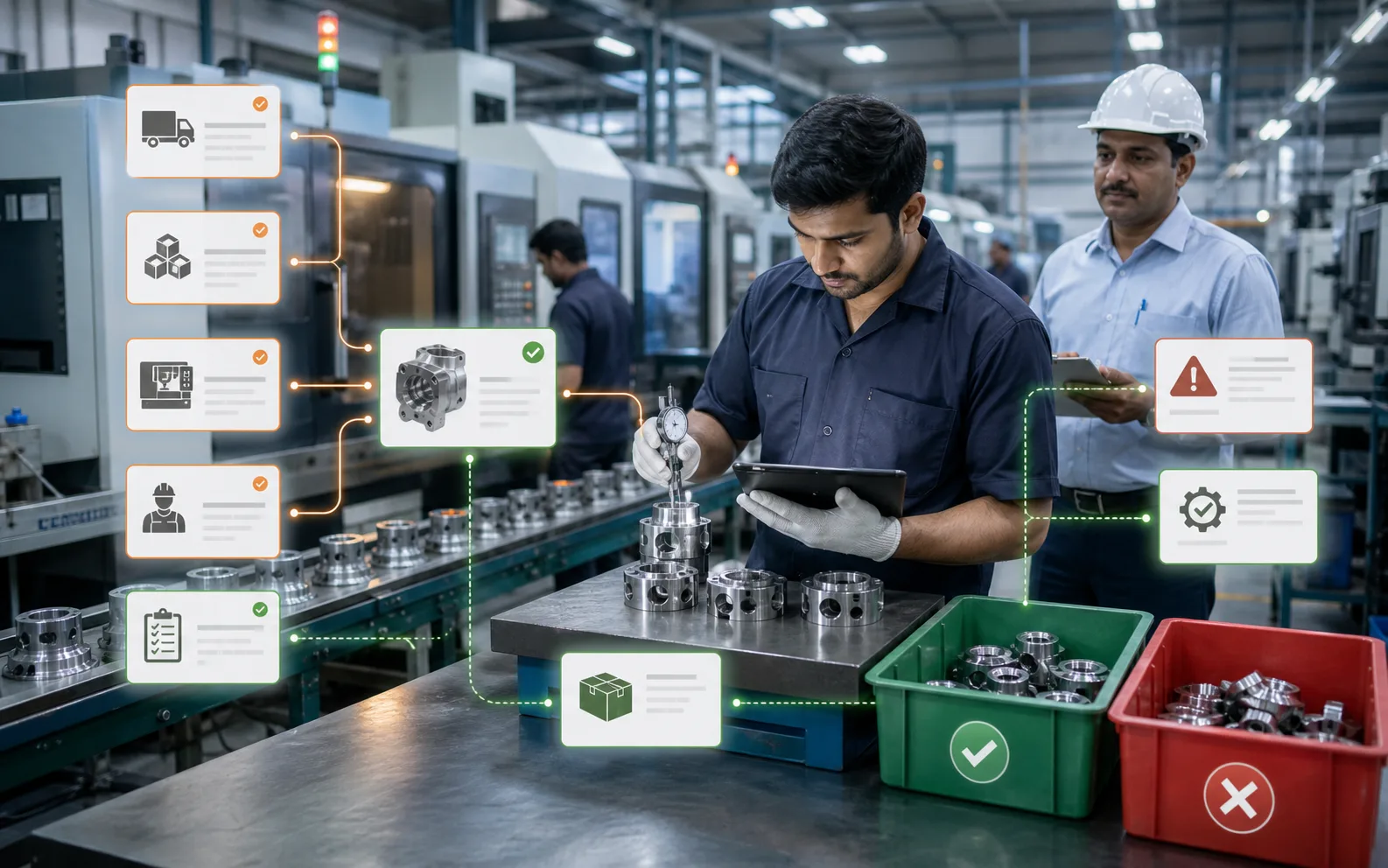
Some repetitive, dangerous, or highly predictable tasks will become automated. But factories still need people for supervision, quality judgment, maintenance, coordination, problem-solving, machine setup, improvement work, and decisions that require experience.
The real question is not whether technology will arrive. It is how workers and businesses prepare for it.
What Automation Replaces First
Automation usually starts with repetitive tasks that are physically difficult, unsafe, highly consistent, or easy to measure.
Examples include material movement, repetitive inspection, simple pick-and-place operations, counting, data entry, and machine monitoring alerts.
What Still Needs People
Factories are full of exceptions.
People understand unusual machine sounds, material behavior, quality issues, operator coordination, customer urgency, and practical constraints. AI can support these decisions, but experienced workers remain valuable.
AICAN Optiwise helps manufacturers use AI as an operating system for production, inventory, purchase, sales, finance, reporting, IoT readiness, and AI workflows.
Jobs Will Shift
Some roles may reduce, but many roles will change.
Workers may move into machine supervision, quality control, maintenance support, data entry verification, production coordination, and improvement activities.
Skills Will Matter More
Workers who learn digital tools, basic data interpretation, machine handling, safety, quality processes, and problem-solving will stay more valuable.
Where AICAN Optiwise Fits
AICAN Optiwise supports manufacturers by making shop floor information more visible. The goal is not to remove people, but to help teams run production with better clarity.
Learn more at About AICAN.
Founder’s Note
Technology should make factory work safer, clearer, and more productive. The strongest factories will not be people-free. They will be places where people work with better systems.
The future belongs to workers who keep learning.
FAQ
Will robots replace all factory workers?
No. They will automate some tasks, but many roles will shift rather than disappear.
Which jobs are most at risk?
Highly repetitive and predictable tasks are most likely to be automated.
How can workers stay relevant?
Learn digital tools, quality skills, maintenance awareness, and problem-solving.
Should workers fear AI?
They should prepare for it. AI can support workers when introduced responsibly.
Final Thought
Robots may take over some tasks, but manufacturing still needs human skill.
Workers who adapt to technology will become part of smarter, safer, more controlled factories. That is the human-centered future AICAN supports.

Related Posts

Will AI Create More Jobs Than It Destroys?
Explore whether AI will create more jobs than it destroys, with a practical view of manufacturing, automation, new roles, reskilling, and business transformation.
13 Jun 2026Read more →Manufacturing AI vs. Hiring More Workers
Compare manufacturing AI with hiring more workers and learn when automation, better systems, training, or additional people are the right answer.
7 Jun 2026Read more →
Will AI Replace My Production Planning Job?
Understand how AI affects production planning jobs, what tasks may change, and how planners can become more valuable with AI-supported scheduling and visibility.
6 Jun 2026Read more →Do I Need Special Skills to Use AI in Manufacturing?
Learn what skills manufacturing teams need to use AI, including process knowledge, data discipline, prompt clarity, review judgment, ERP understanding, and change readiness.
6 Jun 2026Read more →