
How IoT Can Help Reduce Energy Consumption in Manufacturing
Measure energy reduction with kWh per good unit, idle load, product mix, shift context and tariff separation without promising savings.
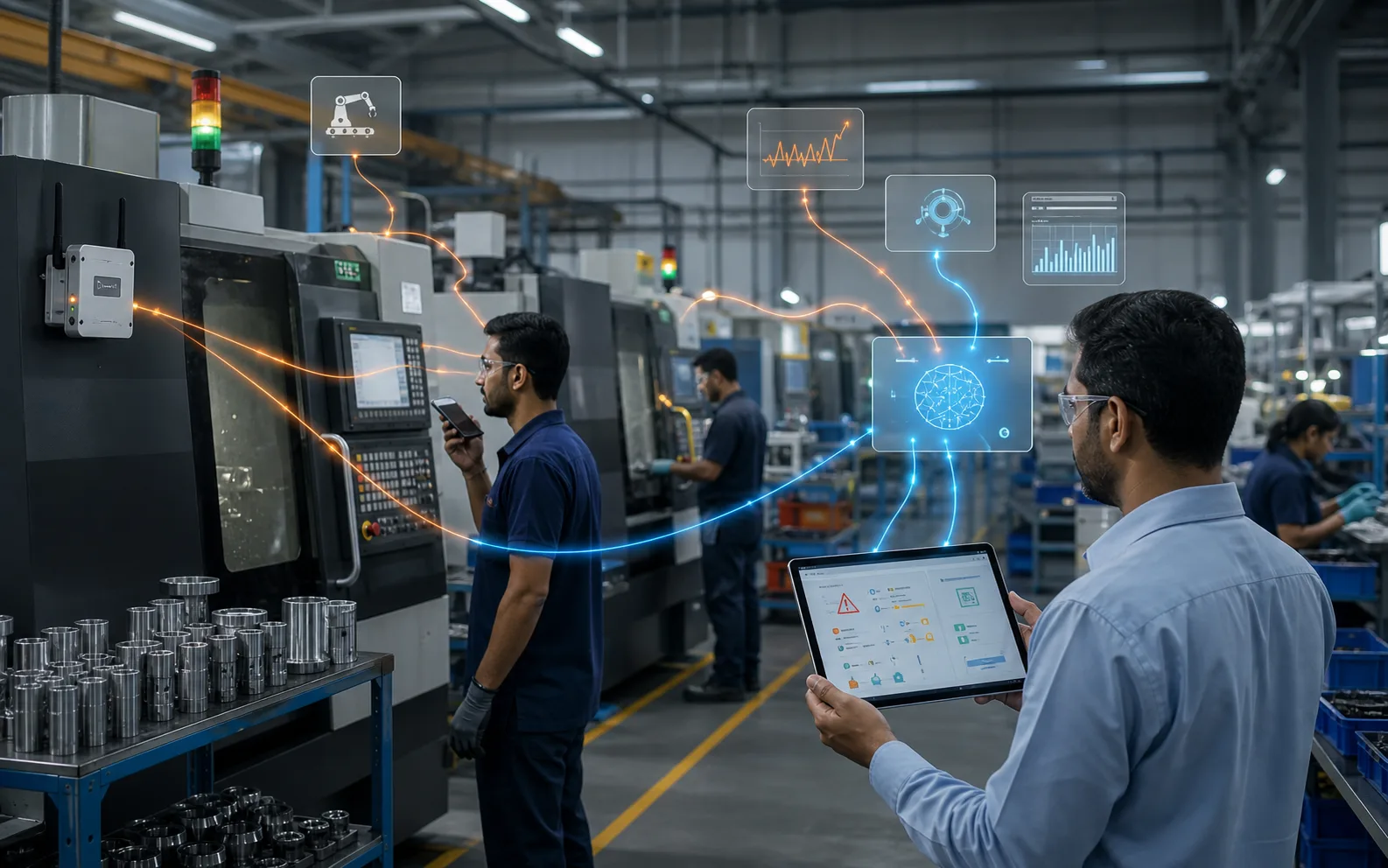
Energy savings should be measured carefully. A lower bill can come from lower tariff, fewer orders or a different product mix. A better factory metric is energy per good unit with context for shift, machine state and product type.
Optiwise can use OptiSense-style power and idle-load visibility to help the factory find wasteful operating patterns. The action still depends on the machine, process and maintenance owner.
Direct answer
IoT can help reduce energy consumption when the factory measures kWh per good unit, idle load, product mix and shift conditions before assigning actions.
Factory example
An energy dashboard shows high power draw during idle time between batches. The plant owner compares kWh per good unit before and after a shift SOP change. The report separates lower consumption from tariff changes so the result is not overstated.
Implementation path in Optiwise
- Measure kWh per good unit.
- Separate idle load, product mix and tariff effects.
- Assign actions to production, maintenance or SOP owners.
Worksheet for your factory
Use this as the working checklist before you change software settings, write SOPs or ask the team to follow a new report.
| Record | What to capture | Why it matters |
|---|---|---|
| Energy signal | kWh or power draw by machine or line | Shows where electricity is used |
| Good output | Accepted units, batch size or weight | Avoids rewarding low production |
| Product mix | Product or process run during the period | Separates easy and energy-heavy jobs |
| Machine state | Running, idle, stopped or peak load | Shows avoidable idle consumption |
| Shift and condition | Shift, ambient condition or process setup | Explains variation |
| Tariff/cost note | Rate change, demand charge or billing effect | Separates consumption from rupee savings |
How Optiwise supports this workflow
- Use OptiSense power, idle and peak-load visibility where the machine or meter setup supports it.
- Connect energy views with production output so kWh per good unit can be reviewed.
- Use runtime, idle and downtime reports to find machines drawing power when they are not producing.
- Turn repeated energy waste patterns into maintenance, shift or SOP actions with owners.
Explore the connected Optiwise workflows for production, inventory, purchasing, quality, IoT, and AI agents.
Checks before you use the number for decisions
- Confirm the owner of the record and the person who reviews exceptions.
- Write the unit of measure, time period and source system beside every number.
- Mark missing, stale or manually corrected data instead of hiding it inside the final score.
- Keep approval evidence for changes that affect stock, production, quality or customer commitments.
Reference source
For general manufacturing ERP and MRP context, compare this workflow with Deskera MRP resources, then adapt the records to your own factory process.
FAQs
Can IoT guarantee a fixed percentage of energy savings?
No. Savings depend on machines, process, product mix, tariffs and actions taken by the factory. IoT makes waste visible so teams can act.
What is the first energy metric to track?
Track kWh per good unit for one machine family or line. Add idle load and product mix so the number explains what changed.

Related Posts
Is AI Worth the Investment for My Factory?
Learn how to decide if AI is worth the investment for your factory by evaluating use cases, data readiness, costs, risks, ROI, and operational impact.
13 Jun 2026Read more →Manufacturing AI Mistakes to Avoid Before You Start
List manufacturing AI mistakes and controls for unclear use case, messy data, unsafe automation, no owner, weak security and unreviewed recommendations.
13 Jun 2026Read more →What's the Difference Between AI and Regular Automation?
Understand the difference between AI and regular automation in manufacturing, with practical examples for workflows, decisions, alerts, and predictive operations.
13 Jun 2026Read more →What Are the Risks of Using AI in Manufacturing?
Understand the risks of AI in manufacturing, including bad data, wrong recommendations, safety issues, security, job fear, over-automation, and implementation failure.
13 Jun 2026Read more →