
Is AI Production Planning Worth the Investment?
Learn when AI production planning is worth the investment, how to estimate ROI, and which planning problems create the strongest business case.
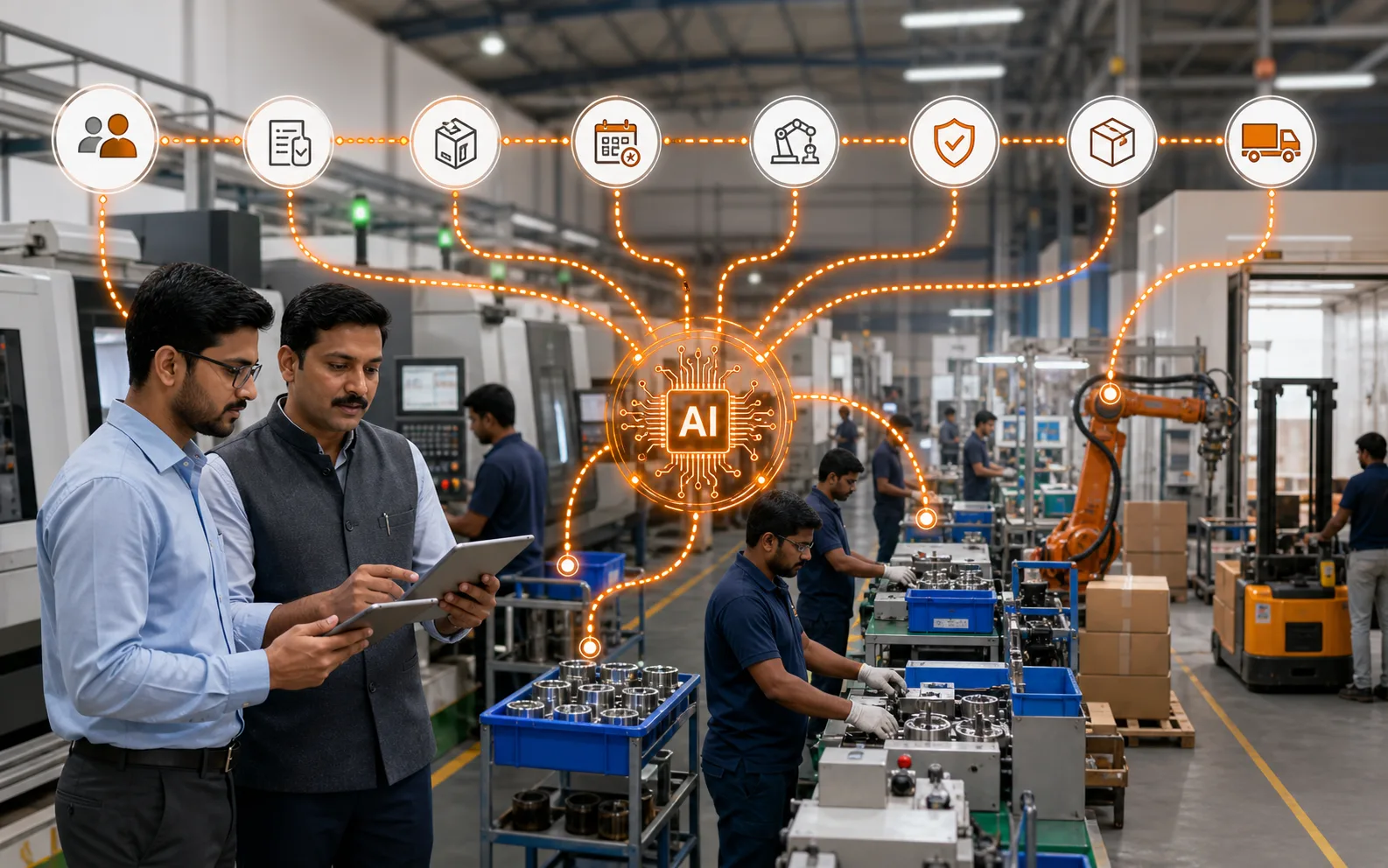
Is AI Production Planning Worth the Investment?
AI production planning is worth the investment when planning problems are already costing your factory money, time, capacity, or customer trust. If material shortages stop production, schedules change constantly, planners chase updates manually, or deliveries slip because constraints are unclear, the business case can be strong.
AI for production planning should not be bought only because it sounds advanced. It should solve measurable problems. The investment is justified when better planning reduces waste, improves reliability, and helps the same team manage complexity with more control.
Value depends on use case and adoption.
Where ROI Comes From
ROI can come from fewer stockouts, reduced urgent purchases, lower overtime, fewer schedule changes, faster planning, improved delivery performance, less excess inventory, and better capacity use.
The strongest ROI areas are the losses your factory already feels every month.
Estimate Current Planning Losses
Before investing, measure how often production stops due to material, how long planning takes, how many orders are delayed, how much overtime is caused by poor planning, and how much inventory is excess or slow-moving.
These numbers make the business case clearer.
Consider Strategic Benefits
AI planning can also reduce owner dependency, improve customer communication, support growth, and make operations more professional. These benefits are harder to measure but still important.
Use them as supporting value, not the only reason.
Adoption Determines Payback
If users do not update data or planners do not trust the system, ROI will be weak. Investment must include training, implementation support, and process discipline.
Software alone does not create planning improvement.
Where AICAN Optiwise Fits
AICAN Optiwise connects AI production planning with inventory, purchase, sales, finance, reporting, IoT readiness, and AI workflows. This connected approach helps manufacturers tie planning investment to operational outcomes.
Explore AICAN Optiwise and About AICAN.
Founder’s Note
AICAN’s founder-led view is that AI planning should earn investment through practical improvement. Manufacturers need fewer surprises, better commitments, and clearer control, not just another technology expense.
The right investment pays back in calmer execution.
FAQ
When is AI production planning worth it?
When planning issues create measurable losses in material, time, delivery, capacity, or inventory.
What should I measure before investing?
Measure stockouts, urgent purchases, planning hours, delayed orders, overtime, excess inventory, and schedule changes.
Can small factories justify the investment?
Yes, if the first use case is focused and planning problems have real cost.
What reduces ROI?
Poor data, weak training, low adoption, over-customization, and unclear goals reduce ROI.
Final Thought
AI production planning is worth the investment when it solves planning losses that already exist. Start with the cost of the problem, then evaluate the cost of the solution.
Next step: Explore AICAN Optiwise to evaluate the ROI of AI production planning for your factory.

Related Posts
Is AI Worth the Investment for My Factory?
Learn how to decide if AI is worth the investment for your factory by evaluating use cases, data readiness, costs, risks, ROI, and operational impact.
13 Jun 2026Read more →Manufacturing AI Mistakes to Avoid Before You Start
List manufacturing AI mistakes and controls for unclear use case, messy data, unsafe automation, no owner, weak security and unreviewed recommendations.
13 Jun 2026Read more →What's the Difference Between AI and Regular Automation?
Understand the difference between AI and regular automation in manufacturing, with practical examples for workflows, decisions, alerts, and predictive operations.
13 Jun 2026Read more →What Are the Risks of Using AI in Manufacturing?
Understand the risks of AI in manufacturing, including bad data, wrong recommendations, safety issues, security, job fear, over-automation, and implementation failure.
13 Jun 2026Read more →