
Will My Manufacturing Plant Stay Competitive Without Automation?
Manufacturing plants can survive without automation for a while, but competitiveness depends on productivity, quality, delivery, cost control, and data visibility.
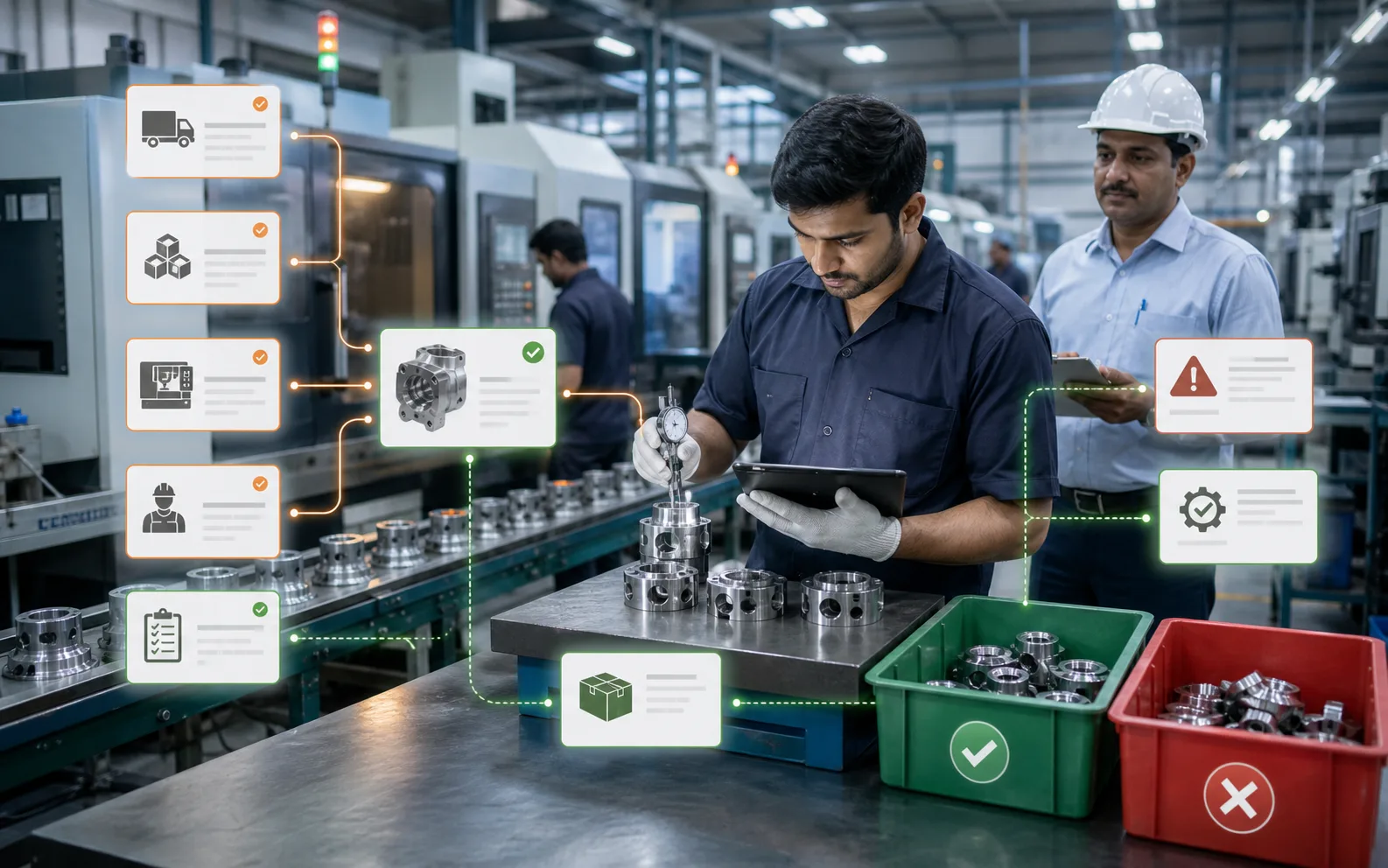
Will My Manufacturing Plant Stay Competitive Without Automation?
A manufacturing plant can operate without automation, but staying competitive becomes harder as customers expect faster delivery, better quality, lower cost, and more reliable communication.
Automation is not only about robots. It includes digital production tracking, inventory visibility, maintenance alerts, quality systems, procurement workflows, and analytics. Even basic automation can help a plant reduce hidden waste.
Competitiveness Depends on Control
Factories compete on cost, quality, speed, flexibility, and reliability.
If manual systems create delays, poor visibility, repeated errors, and slow decisions, competitors with better systems may move faster.
Manual Work Can Hide Problems
Manual reporting often reveals problems late.
Downtime, stockouts, defects, and schedule delays may be known only after damage is done. Automation helps make problems visible earlier.
Automation Can Start Small
A plant does not need to automate everything immediately.
It can start with production visibility, downtime tracking, inventory alerts, purchase follow-ups, or quality reporting.
AICAN Optiwise helps manufacturers begin with connected workflows across production, inventory, purchase, sales, finance, reports, IoT readiness, and AI processes.
Without Automation, People Carry More Burden
When systems are manual, experienced people hold too much knowledge in their heads.
That creates risk when people are unavailable, overloaded, or leave the company.
Where AICAN Optiwise Fits
AICAN Optiwise supports manufacturers that want to become more competitive through connected operational control, not sudden disruptive automation.
Learn more at About AICAN.
Founder’s Note
The question is not whether every factory needs robots. The question is whether the factory can keep making decisions slowly while the market moves faster.
Competitiveness begins with visibility.
FAQ
Can a plant survive without automation?
Yes, but competitiveness may decline if manual systems limit speed, quality, and control.
What automation should come first?
Start with visibility in production, downtime, inventory, quality, or purchase workflows.
Is automation only for large plants?
No. Small plants can automate specific workflows gradually.
What is the risk of waiting too long?
The plant may lose efficiency, delivery reliability, and management visibility.
Final Thought
A plant can run without automation, but it may not stay competitive without better systems.
Start with practical visibility and build from there. That is the grounded path AICAN supports for manufacturers.

Related Posts
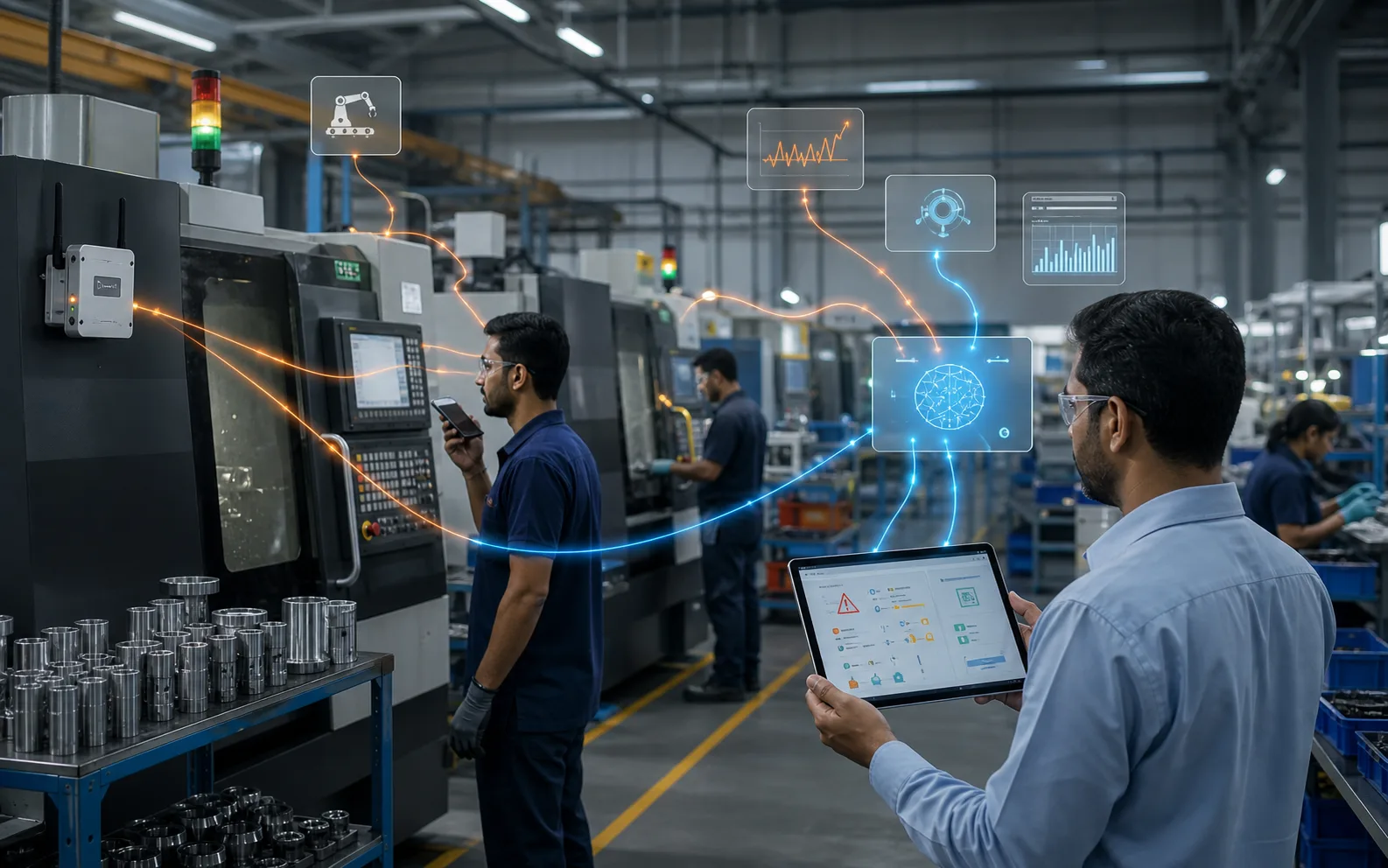
Is AI Worth the Investment for My Factory?
Learn how to decide if AI is worth the investment for your factory by evaluating use cases, data readiness, costs, risks, ROI, and operational impact.
13 Jun 2026Read more →Manufacturing AI Mistakes to Avoid Before You Start
List manufacturing AI mistakes and controls for unclear use case, messy data, unsafe automation, no owner, weak security and unreviewed recommendations.
13 Jun 2026Read more →What's the Difference Between AI and Regular Automation?
Understand the difference between AI and regular automation in manufacturing, with practical examples for workflows, decisions, alerts, and predictive operations.
13 Jun 2026Read more →What Are the Risks of Using AI in Manufacturing?
Understand the risks of AI in manufacturing, including bad data, wrong recommendations, safety issues, security, job fear, over-automation, and implementation failure.
13 Jun 2026Read more →