
Factory AI Cost: A 12-Month Planning Worksheet
Plan factory AI cost across software, devices, connectivity, data preparation, integration, training, ownership, support and maintenance.
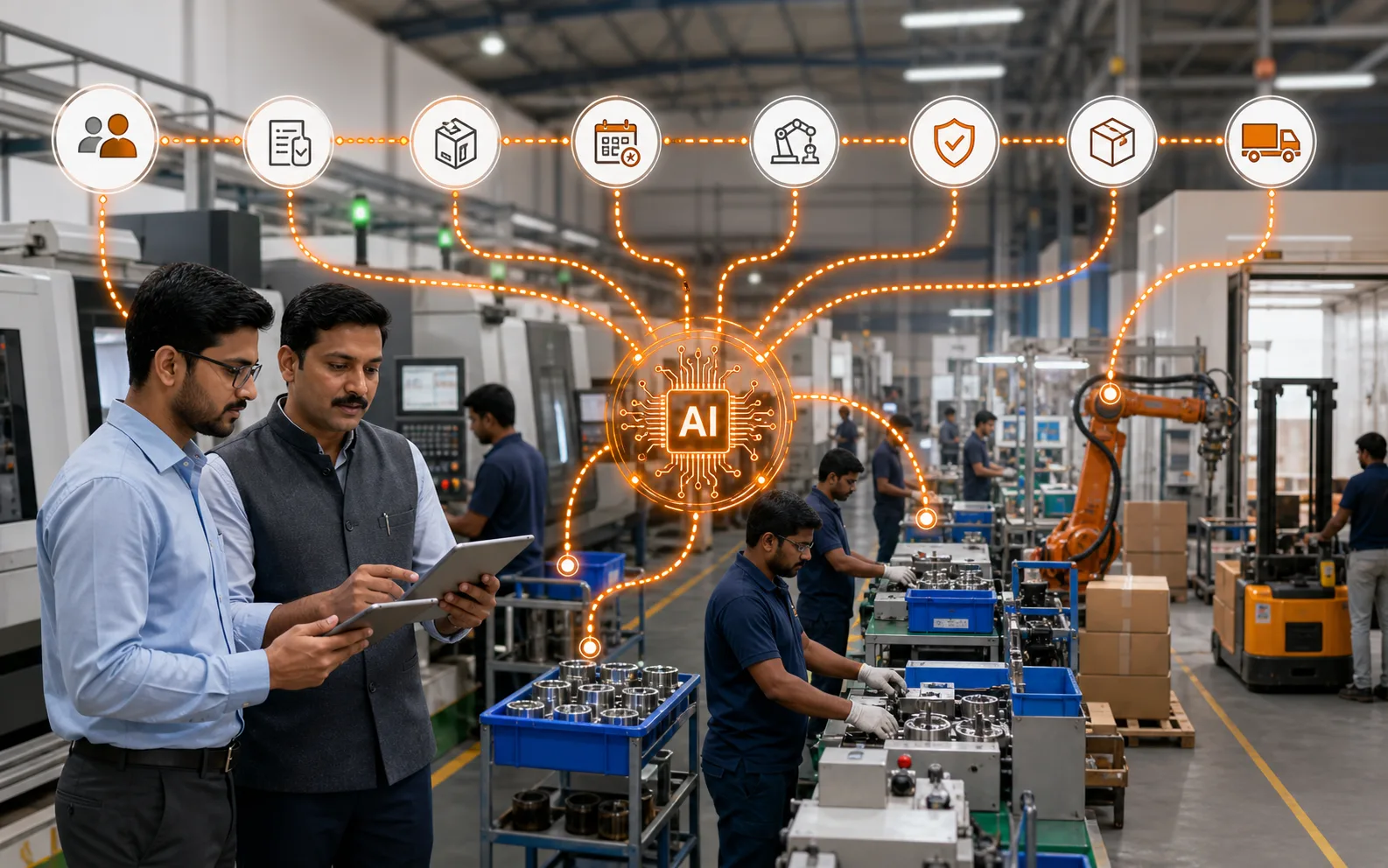
The cost of factory AI includes the software plus the data, device, integration, process and people work required to use it. A 12-month worksheet should separate one-time and recurring costs and name the operating owner.
A software quote is not a factory AI budget. The same project may need machine connectivity, edge hardware, data cleanup, workflow changes, training and ongoing review before an answer or alert is dependable.
Build a 12-month cost worksheet
| Cost area | One-time input | Recurring input | Owner |
|---|---|---|---|
| Software | Configuration and initial setup | Subscription or support | Business owner |
| Machine data | Site survey, sensors or gateways | Connectivity and device maintenance | Engineering |
| Integration | Field mapping and testing | Monitoring and change support | IT / implementation |
| Data | Master cleanup and baseline preparation | Exception correction and governance | Process owner |
| People | Role training and acceptance tests | Refresher training and review | Department head |
| Operations | Pilot, SOP and escalation design | Daily use and exception ownership | Plant team |
| Improvement | Initial evaluation method | Model/rule and outcome reviews | Sponsor |
Enter quoted or internally approved values. Keep blank cells blank until you have evidence. Do not use a market-average number to make the project look complete.
Avoid double-counting
If implementation already includes field mapping, do not add the same hours again under data preparation. Separate internal time from vendor fees. Separate device replacement from annual support. Record whether tax, travel and site work are included.
Odoo’s IoT documentation shows how hardware and connectivity can become part of an ERP-linked project; it is a useful reminder that factory AI cost depends on the data path.
Scope Optiwise from the workflow
Optiwise combines manufacturing records, role-based AI agents, no-code workflows and industrial IoT. OptiEdge connects machine data, while the wider system keeps production, inventory, purchase, quality and sales context available to permitted AI actions.
Start with the exact task in Optiwise Agents and the signal path in the IoT module. Price the records, permissions, devices, integrations and owners required for that task.
Approve the pilot with evidence
Set a baseline, acceptance test, data-quality rule, responsible operator and stop/scale decision before deployment. The cost worksheet supports that decision; it does not guarantee savings.
Questions from manufacturing teams
What costs are commonly missed in factory AI?
Data cleanup, machine connectivity, integration testing, operator training, process ownership, support and maintenance are often outside the software line.
Should we connect every machine in the first phase?
Start with the machines and signals required for a defined decision, then expand after the data path and operating response pass the pilot.
How should we compare AI quotes?
Use the same 12-month scope, tasks, records, devices, users, support and acceptance tests for every quote.

Related Posts

Is AI Worth the Investment for My Factory?
Learn how to decide if AI is worth the investment for your factory by evaluating use cases, data readiness, costs, risks, ROI, and operational impact.
13 Jun 2026Read more →Manufacturing AI Mistakes to Avoid Before You Start
List manufacturing AI mistakes and controls for unclear use case, messy data, unsafe automation, no owner, weak security and unreviewed recommendations.
13 Jun 2026Read more →What's the Difference Between AI and Regular Automation?
Understand the difference between AI and regular automation in manufacturing, with practical examples for workflows, decisions, alerts, and predictive operations.
13 Jun 2026Read more →What Are the Risks of Using AI in Manufacturing?
Understand the risks of AI in manufacturing, including bad data, wrong recommendations, safety issues, security, job fear, over-automation, and implementation failure.
13 Jun 2026Read more →