
How Often Do Vision Systems Need Updates or Maintenance?
Learn the real maintenance and update needs of factory computer vision systems, including camera cleaning, lighting checks, recipe updates, model tuning, software patches, and support planning.
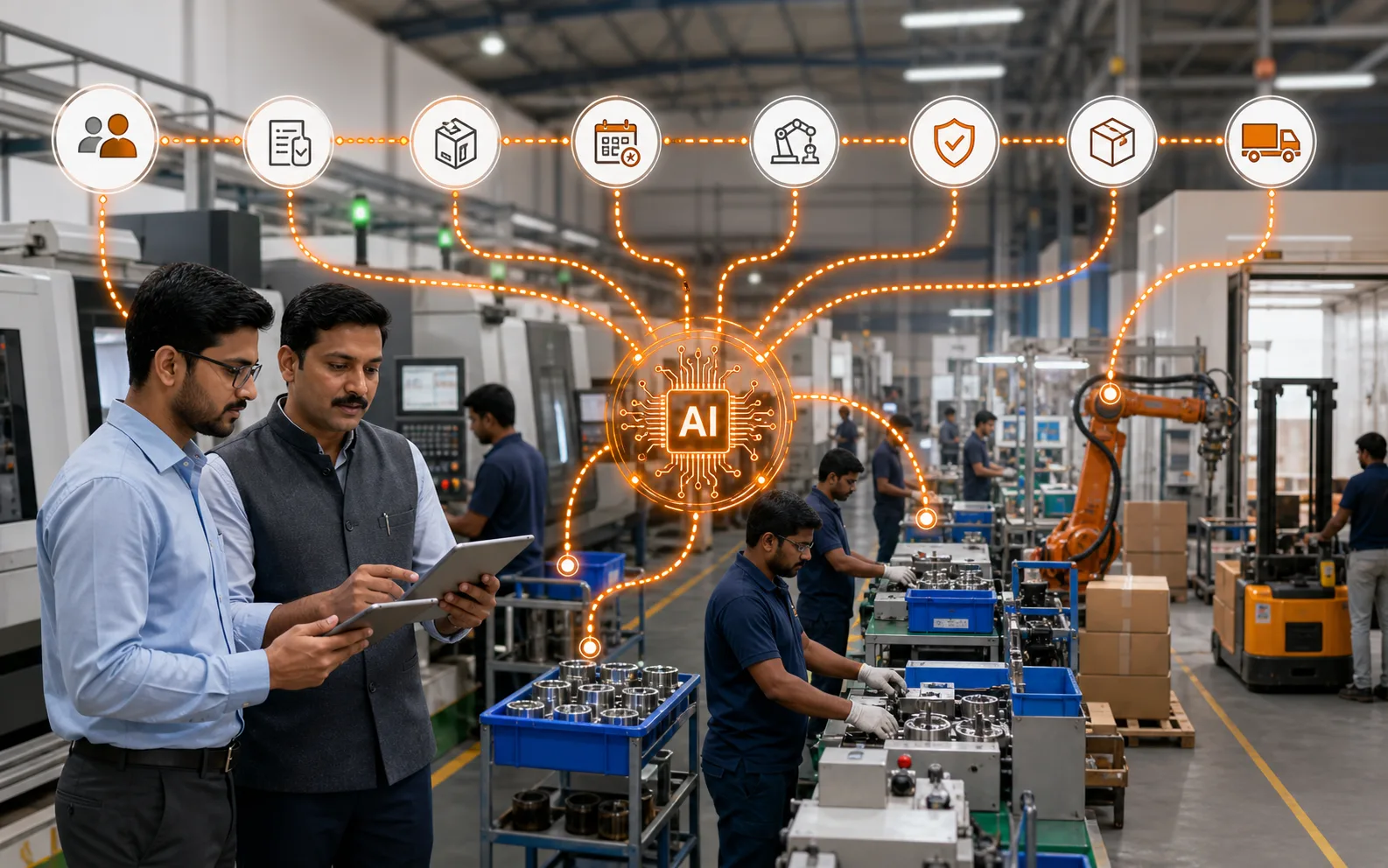
A vision system does not need constant attention. But it does need regular ownership.
Computer vision maintenance is usually not about daily software engineering. Most of the routine work is practical: keeping the camera view stable, keeping the lens clean, checking lighting, reviewing false rejects, and updating inspection recipes when products or processes change.
The mistake is treating a vision system like a one-time installation. It is part of the production process. Like any production system, it needs basic care, review, and controlled changes.
A well-designed system should run with limited daily intervention, but it should never be ownerless.
Daily checks are usually simple
For most factory lines, daily checks can be short and visual.
Operators or maintenance teams may confirm:
- Camera is connected
- Lens cover is clean
- Light is working
- Inspection area is not blocked
- Reject mechanism is active
- Correct recipe is selected
- Screen shows normal system status
- No unusual spike in false rejects
This should take minutes, not hours. The goal is to catch obvious issues before they create bad inspection data.
Weekly checks protect consistency
Weekly maintenance can go deeper. The team may review sample inspections, false reject trends, system logs, and physical mounting.
Useful weekly checks include:
- Run known good and known bad samples
- Check camera position against reference marks
- Inspect light intensity or visible flicker
- Review rejected image examples
- Confirm recipe version and change history
- Check cables and connectors
- Clean enclosure or lens protection
- Confirm storage is not filling unexpectedly
These checks prevent slow drift. Many vision problems begin gradually: a light weakens, dust accumulates, a bracket loosens, or product placement changes.
Monthly reviews should connect maintenance with performance
A monthly review should ask whether the system is still delivering value.
Review:
- Rejection rate by product
- False reject rate
- Escaped defect incidents
- Operator overrides
- Downtime linked to vision station
- Changeover issues
- New product variants
- Support tickets
- Maintenance actions completed
This is where AICAN Optiwise can help. When inspection data connects to production and quality workflows, managers can see whether the system is improving operations or quietly creating friction.
When do recipes need updates?
Recipes need updates when the inspection requirement changes.
Examples include:
- New product variant introduced
- Label artwork changed
- Packaging supplier changed
- Product colour or material changed
- Defect tolerance revised
- Camera position changed
- Lighting changed
- Customer inspection requirement changed
- Repeated false rejects show rule is too tight
- Escaped defects show rule is too loose
Recipe updates should be controlled. Not every operator should be able to change critical inspection settings casually. Changes should be approved, tested, and recorded.
AI model updates are different from routine maintenance
If the system uses AI-based detection, model updates may be needed when the product, defect type, lighting, or background changes significantly.
AI model tuning may involve collecting new images, labelling examples, retraining or adjusting the model, testing against known cases, and releasing a new version.
This is not usually a daily activity. But the process should be defined before deployment. The factory should know who owns new data collection, who approves model changes, and how the updated model is validated.
Software updates should be planned, not random
Vision software may need updates for security patches, bug fixes, new features, operating system compatibility, or integration improvements.
But production software should not be updated casually during active operations. Updates should be scheduled, tested, and documented.
A good update process includes:
- Backup current configuration
- Confirm current recipe versions
- Test update outside peak production if possible
- Validate inspection with known samples
- Keep rollback plan
- Record update date and reason
This protects uptime.
Hardware replacement planning
Some hardware parts have predictable life. Lights may degrade. Cables may wear. Enclosures may get damaged. Industrial PCs may need servicing. Lenses may need replacement if scratched.
For critical lines, keep a spare plan. The right spare strategy depends on downtime cost. A plant running 24/7 with high dispatch pressure may keep spare lights, camera cables, or even a backup camera. A lower-risk station may rely on vendor support.
The cost of spare parts should be part of the real ownership cost.
Who should own maintenance?
Maintenance ownership is usually shared:
- Operators check daily status and report issues
- Maintenance handles physical checks and cleaning
- Quality reviews inspection performance
- Supervisors enforce process discipline
- IT manages network/security where relevant
- Vendor or partner supports advanced tuning and updates
This ownership should be written down. If everyone assumes someone else is checking the camera, nobody is checking the camera.
What happens if maintenance is ignored?
Ignored maintenance creates slow trust loss.
The system may start rejecting good parts. Operators may bypass alerts. Quality may stop trusting reports. Maintenance may blame software. Vendors may discover the issue is a dirty lens or moved bracket.
The damage is not only technical. It is cultural. Once people lose confidence in the system, adoption becomes harder.
Where AICAN Optiwise fits
AICAN Optiwise helps manufacturers connect inspection performance with production operations. Instead of reviewing maintenance in isolation, teams can see how camera health, rejection trends, downtime, and quality events affect the plant.
AICAN focuses on practical manufacturing systems that work inside daily routines. You can learn more at About AICAN.
Founder's Note
The best maintenance plan is not complicated. It is visible, owned, and followed. Computer vision should not become a mysterious box on the line. It should become another reliable production asset with clear checks and clear responsibility.
When maintenance is simple, people do it. When it is vague, it disappears.
FAQs
1. Does a computer vision system need daily maintenance?
Usually only simple daily checks: camera status, lens cleanliness, lighting, recipe selection, and alert condition. Deeper checks can be weekly or monthly.
2. How often do AI models need retraining?
Only when product conditions, defect types, materials, lighting, or process behaviour change enough to affect accuracy. It should be based on evidence, not a fixed calendar alone.
3. Who should update inspection recipes?
A trained quality owner, system admin, or partner should handle recipe changes. Critical settings should be restricted and logged.
4. What is the most common maintenance issue?
Dirty lens covers, lighting changes, loose mounts, cable issues, and unrecorded recipe changes are common practical issues.
5. Can Optiwise track maintenance-related inspection issues?
Optiwise can help connect inspection trends with production and quality workflows, making it easier to spot recurring problems that need maintenance or process action.

Related Posts
How Sensors Help With Quality Control in Manufacturing
Explain quality-control sensors through measured property, tolerance, calibration evidence, sampling, false alerts and human disposition.
11 Jun 2026Read more →
Track Quality Issues in ERP: Inspection to Disposition
Follow an inspection issue through stock hold, approved rework or scrap, quantity reconciliation and corrective-action checks, with a 50-part example.
28 May 2026Read more →How Can IoT Improve My Quality Control Process?
Learn how IoT improves quality control by connecting inspection data, batch traceability, machine conditions, process parameters, and corrective action.
13 May 2026Read more →Predictive Maintenance Software: A Growing Manufacturing Tech Career
Learn why predictive maintenance software is creating manufacturing tech careers in IoT, analytics, AI, machine data, and ERP-connected operations.
3 May 2026Read more →