
What's the Difference Between Good and Bad Shop Floor Management Software?
Good shop floor management software fits real factory workflows, connects departments, improves visibility, supports users, and delivers actionable reports.
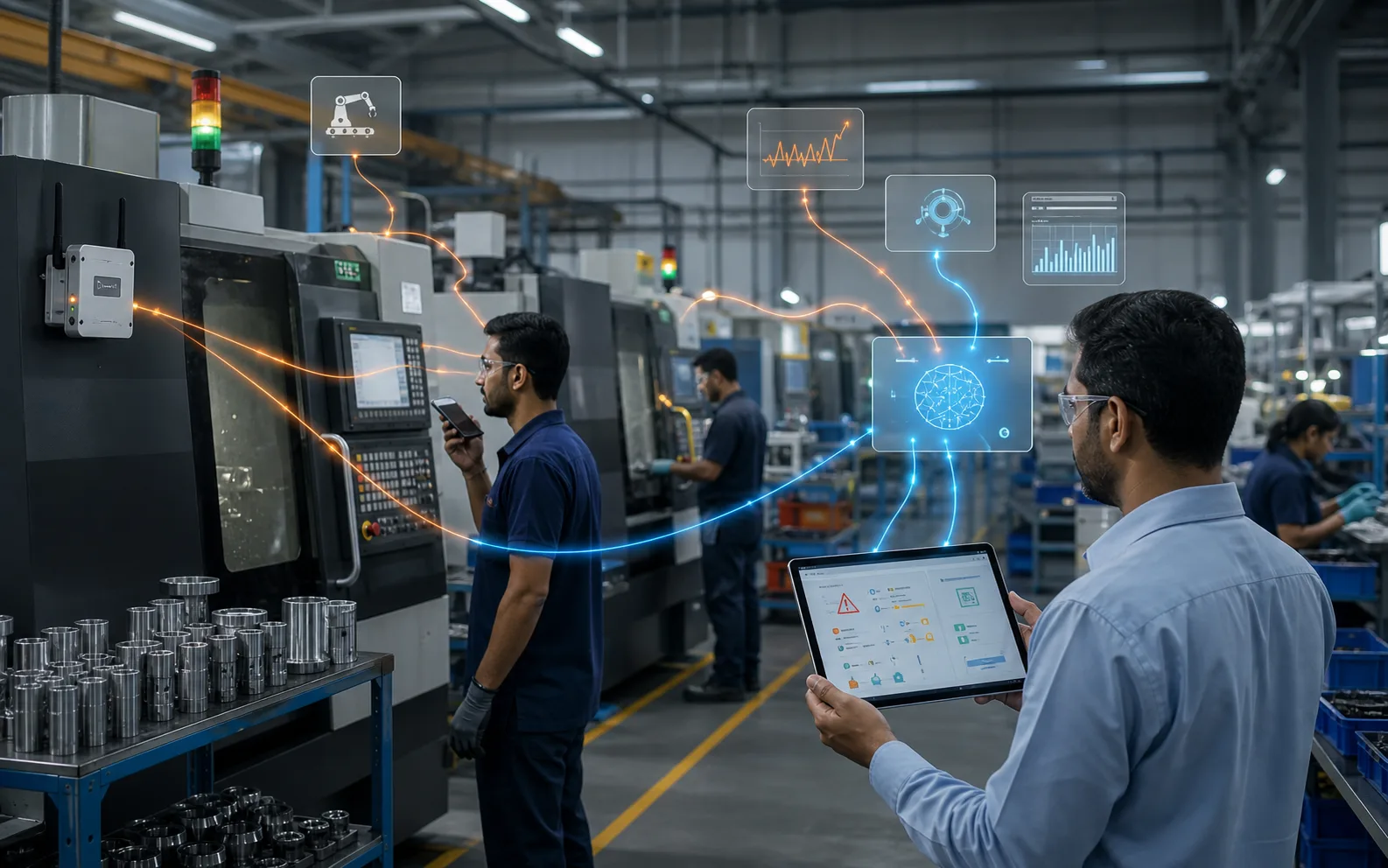
What's the Difference Between Good and Bad Shop Floor Management Software?
Good shop floor management software helps factories see problems earlier, coordinate better, and act faster. Bad software adds screens without improving control.
The difference is not only features. It is whether the system fits real factory workflows and earns user trust.
A good system makes work clearer. A bad system creates another place to update data.
Good Software Fits Factory Reality
Good software understands production orders, downtime, quality checks, material movement, machine constraints, shift handovers, and supervisor workflows.
Bad software forces the factory into rigid screens that do not match how work happens.
Good Software Connects Departments
Shop floor decisions affect inventory, purchase, sales, finance, maintenance, and reporting.
Good software connects these areas. Bad software becomes another silo.
AICAN Optiwise is designed to connect production, inventory, purchase, sales, finance, reports, IoT readiness, and AI workflows in one manufacturing operating system.
Good Software Is Usable
Operators and supervisors should be able to update information quickly.
If the system is too difficult, people delay entries or return to spreadsheets.
Good Software Shows Actionable Reports
Reports should answer practical questions:
- What is delayed?
- Why did downtime happen?
- Which orders are at risk?
- What material is short?
- Which quality issues repeat?
Bad reports only export data without helping decisions.
Good Software Supports Improvement
Good software helps teams identify patterns and improve processes.
Bad software records history but does not help action.
Where AICAN Optiwise Fits
AICAN Optiwise fits the good software standard by focusing on connected manufacturing workflows, practical visibility, and AI-supported decisions.
Learn more at About AICAN.
Founder’s Note
Good software should reduce confusion on the shop floor. If people need more calls, more spreadsheets, and more follow-ups after implementation, something is wrong.
The best system becomes part of how the factory works.
FAQ
What makes shop floor software good?
Workflow fit, usability, connected data, actionable reports, and strong support.
What is a warning sign of bad software?
Users avoid it, reports are unreliable, or it creates duplicate work.
Should software include AI?
AI is useful when it supports real decisions, but workflow fit comes first.
Who should test software before buying?
Supervisors, operators, maintenance, quality, stores, and management should test relevant workflows.
Final Thought
Good shop floor management software helps factories run with more clarity.
Choose systems that fit real work, connect departments, and support decisions. That is the standard AICAN is building with Optiwise.

Related Posts
Is AI Worth the Investment for My Factory?
Learn how to decide if AI is worth the investment for your factory by evaluating use cases, data readiness, costs, risks, ROI, and operational impact.
13 Jun 2026Read more →Manufacturing AI Mistakes to Avoid Before You Start
List manufacturing AI mistakes and controls for unclear use case, messy data, unsafe automation, no owner, weak security and unreviewed recommendations.
13 Jun 2026Read more →What's the Difference Between AI and Regular Automation?
Understand the difference between AI and regular automation in manufacturing, with practical examples for workflows, decisions, alerts, and predictive operations.
13 Jun 2026Read more →What Are the Risks of Using AI in Manufacturing?
Understand the risks of AI in manufacturing, including bad data, wrong recommendations, safety issues, security, job fear, over-automation, and implementation failure.
13 Jun 2026Read more →