
Which Industries Are Hiring Despite AI Automation?
Learn which industries continue hiring despite AI automation, including manufacturing, healthcare, logistics, energy, skilled trades, AI operations, and customer-facing sectors.
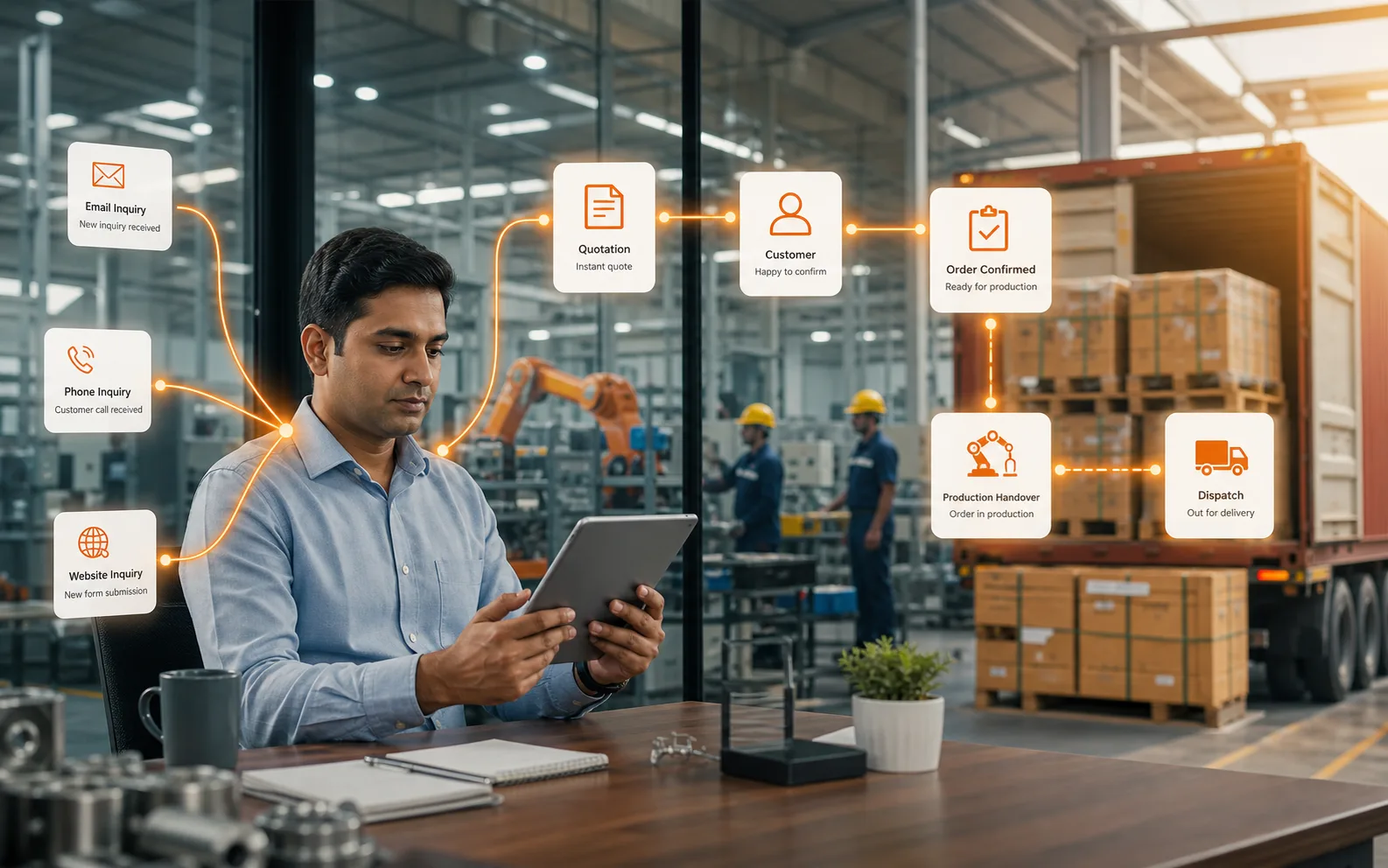
Which Industries Are Hiring Despite AI Automation?
AI automation changes hiring, but it does not stop hiring everywhere. Many industries still need people because work involves physical operations, regulation, trust, safety, maintenance, customer service, and real-world execution.
The strongest opportunities are often in roles that combine human skill with technology.
Manufacturing
Manufacturing continues to need people for operations, maintenance, quality, safety, production planning, supply chain, and digital transformation.
AI may change tasks, but factories still need skilled teams.
Logistics and Supply Chain
Warehousing, transport, planning, procurement, and delivery coordination continue to need people, especially where real-world exceptions occur.
Healthcare
Healthcare depends on human care, judgment, trust, and regulation. AI can assist, but people remain central.
Energy and Infrastructure
Energy, utilities, construction, and infrastructure need field expertise, safety management, and technical maintenance.
Skilled Trades
Electricians, technicians, mechanics, welders, and service engineers perform physical work that is hard to replace fully.
AI Operations and Support
As companies adopt AI, they need people for data quality, workflow design, training, monitoring, and governance.
Customer-Facing Roles
Sales, service, consulting, and relationship roles remain valuable when trust and context matter.
Where AICAN Optiwise Fits
AICAN Optiwise supports manufacturing businesses adopting AI, which creates demand for people who can operate digital workflows, interpret AI insights, and improve processes.
FAQ
Which industries are safest from AI?
Industries with physical work, human trust, regulation, and safety needs are more resilient.
Is manufacturing still a good career?
Yes, especially for people who combine operational skill with digital tools.
Will AI create new industry roles?
Yes, especially around AI operations, data quality, automation, and governance.
Should I switch industries because of AI?
First assess your skills and industry exposure. Reskilling within your current domain may be easier.
Final Thought
AI changes hiring patterns, but it does not remove the need for capable people.
Look for industries where technology increases the value of human judgment and execution.

Related Posts
Is AI Worth the Investment for My Factory?
Learn how to decide if AI is worth the investment for your factory by evaluating use cases, data readiness, costs, risks, ROI, and operational impact.
13 Jun 2026Read more →Manufacturing AI Mistakes to Avoid Before You Start
List manufacturing AI mistakes and controls for unclear use case, messy data, unsafe automation, no owner, weak security and unreviewed recommendations.
13 Jun 2026Read more →What's the Difference Between AI and Regular Automation?
Understand the difference between AI and regular automation in manufacturing, with practical examples for workflows, decisions, alerts, and predictive operations.
13 Jun 2026Read more →What Are the Risks of Using AI in Manufacturing?
Understand the risks of AI in manufacturing, including bad data, wrong recommendations, safety issues, security, job fear, over-automation, and implementation failure.
13 Jun 2026Read more →