
Can IoT Systems Work With My Existing Production Equipment?
Learn how IoT systems can connect with existing production equipment using PLC data, retrofit sensors, gateways, meters, operator inputs, and phased integration.
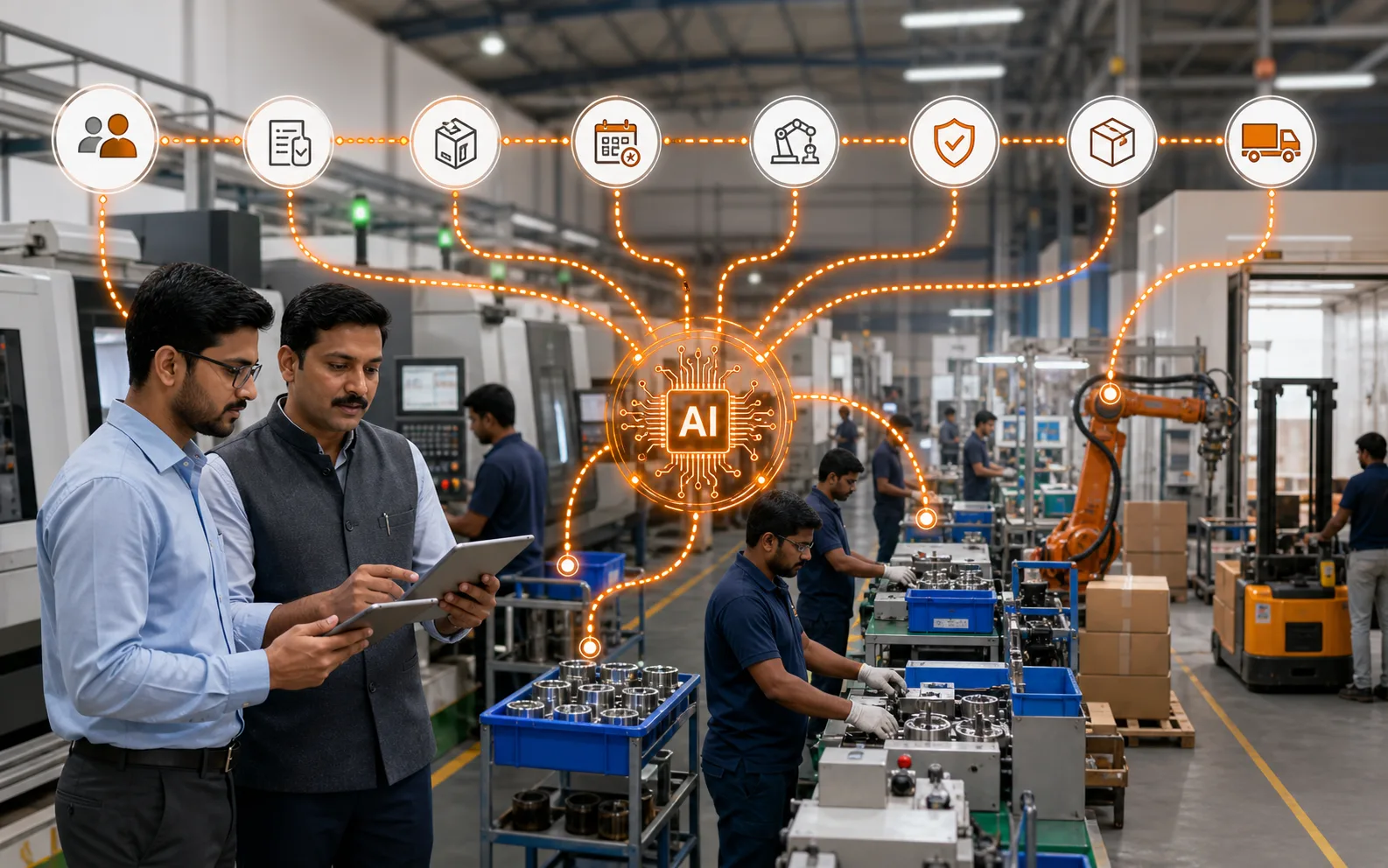
Can IoT Systems Work With My Existing Production Equipment?
Yes, IoT systems can often work with existing production equipment. A factory does not need to replace every machine before it can start collecting useful data. Many manufacturers begin by connecting the machines they already use every day.
This matters because most factories are mixed. One line may have newer machines with PLCs and digital outputs. Another may have older machines that are mechanically strong but digitally silent. Some operations may be manual. Some may rely on inspection benches, utility equipment, energy meters, or operator judgement.
A practical IoT platform should work with that reality.
Existing Equipment Can Still Produce Useful Data
Even when a machine has no modern interface, it can still provide signals. The system may capture whether the machine is running, stopped, idle, consuming power, completing cycles, heating up, vibrating unusually, or producing output.
Common ways to collect data from existing equipment include:
- PLC or controller integration where available
- current sensors to detect running or idle condition
- proximity sensors for cycle counting
- vibration sensors for rotating equipment
- temperature sensors for heat-sensitive assets
- energy meters for machine-wise consumption
- gateways that collect and transmit signals
- operator screens for reason codes and context
The right method depends on the machine, the process, and the business question.
PLC Integration Is Useful When Available
If a machine already has a PLC or controller, the IoT system may be able to collect richer data from it. This may include machine state, alarms, cycle count, speed, pressure, temperature, operating mode, and process values.
But more data is not always better. Pulling every available tag can create noise and complexity. A good implementation starts with the signals that support a decision.
For example, if the goal is downtime reduction, machine state, stoppage duration, alarm code, and reason context may matter more than dozens of unused parameters.
Retrofit Sensors Are a Practical Bridge
Retrofit sensors allow old machines to become visible without replacement. This is often the most practical path for small and mid-sized manufacturers.
A retrofit approach can help with:
- machine running and idle status
- production counting
- energy monitoring
- condition monitoring
- downtime detection
- utility equipment tracking
- quality-related process readings
Retrofit does require care. Sensors must be selected correctly, installed safely, protected from factory conditions, and validated against real operation. Poor installation can create wrong data. Good installation can make older equipment much easier to manage.
Operator Input Completes the Picture
Machines can show what happened. Operators often explain why it happened.
A sensor may show that a machine stopped for 18 minutes. It may not know whether the cause was material shortage, tool change, cleaning, maintenance, quality hold, manpower shortage, or waiting for approval.
This is why operator input matters. Simple reason codes, easy screens, and short workflows can turn automatic readings into useful operating context.
The system should reduce reporting burden, not create a new one.
Start With Critical Equipment
Do not connect equipment randomly. Start where visibility will create the most value.
Good candidates include:
- bottleneck machines
- machines with repeated stoppages
- high-energy equipment
- machines linked to quality issues
- assets with expensive spares
- equipment that affects dispatch commitments
- compressors, chillers, pumps, furnaces, or other utilities
The first connected assets should answer a clear business question. Once the approach works, expansion becomes easier.
Compatibility Questions to Ask Vendors
Before selecting an IoT platform, ask direct questions:
- can it connect with our existing PLCs or controllers?
- what retrofit options are available for older machines?
- how are sensor readings validated?
- what happens if a device disconnects?
- can operator reason codes be captured?
- can the data connect with ERP or production orders?
- how are old and new machines shown in the same dashboard?
- what support is available during installation?
A vendor who understands manufacturing will answer in practical terms, not only with generic platform language.
Integration With Business Workflows Matters
Connecting existing machines is only the first step. The data should support business workflows.
Machine status should connect with production planning. Downtime should connect with maintenance. Energy should connect with costing. Quality readings should connect with batch records. Material waiting should connect with inventory and purchase.
If IoT remains separate from operations, it becomes another dashboard. If it connects with business workflows, it becomes a control layer.
Where AICAN Optiwise Fits
AICAN Optiwise helps manufacturers work with real factory conditions: mixed equipment, manual processes, operational constraints, and the need for connected workflows across production, inventory, purchase, sales, finance, and reporting.
Optiwise supports practical manufacturing control rather than forcing every factory into a one-size-fits-all technology model. You can explore AICAN and learn more about the company on About AICAN.
FAQ
Can IoT work with machines that do not have PLCs?
Yes. Retrofit sensors, meters, counters, gateways, and operator inputs can capture useful data from non-PLC machines.
Do old machines need to be replaced before IoT?
Not automatically. If a machine is mechanically useful, IoT can often improve visibility without replacement.
Can old and new machines be monitored together?
Yes. A good system can combine PLC data from newer machines with retrofit sensor data from older machines.
What is the simplest first connection?
Machine running or stopped status, production count, downtime capture, and energy monitoring are common starting points.
Is retrofit data accurate enough?
It can be, if sensors are selected, installed, and validated properly. Data validation is essential before relying on reports.
Founder’s Note
At AICAN, we know most manufacturers are not starting from a blank factory. They have equipment that works, people who know the process, and constraints that must be respected.
Modernization should not begin by throwing everything away. It should begin by making the existing operation more visible and easier to control.
Final Thought
IoT can work with existing production equipment when the project is designed around factory reality. Start with the machines that matter most, collect the signals that support decisions, and connect the data to the workflows that run the business.

Related Posts
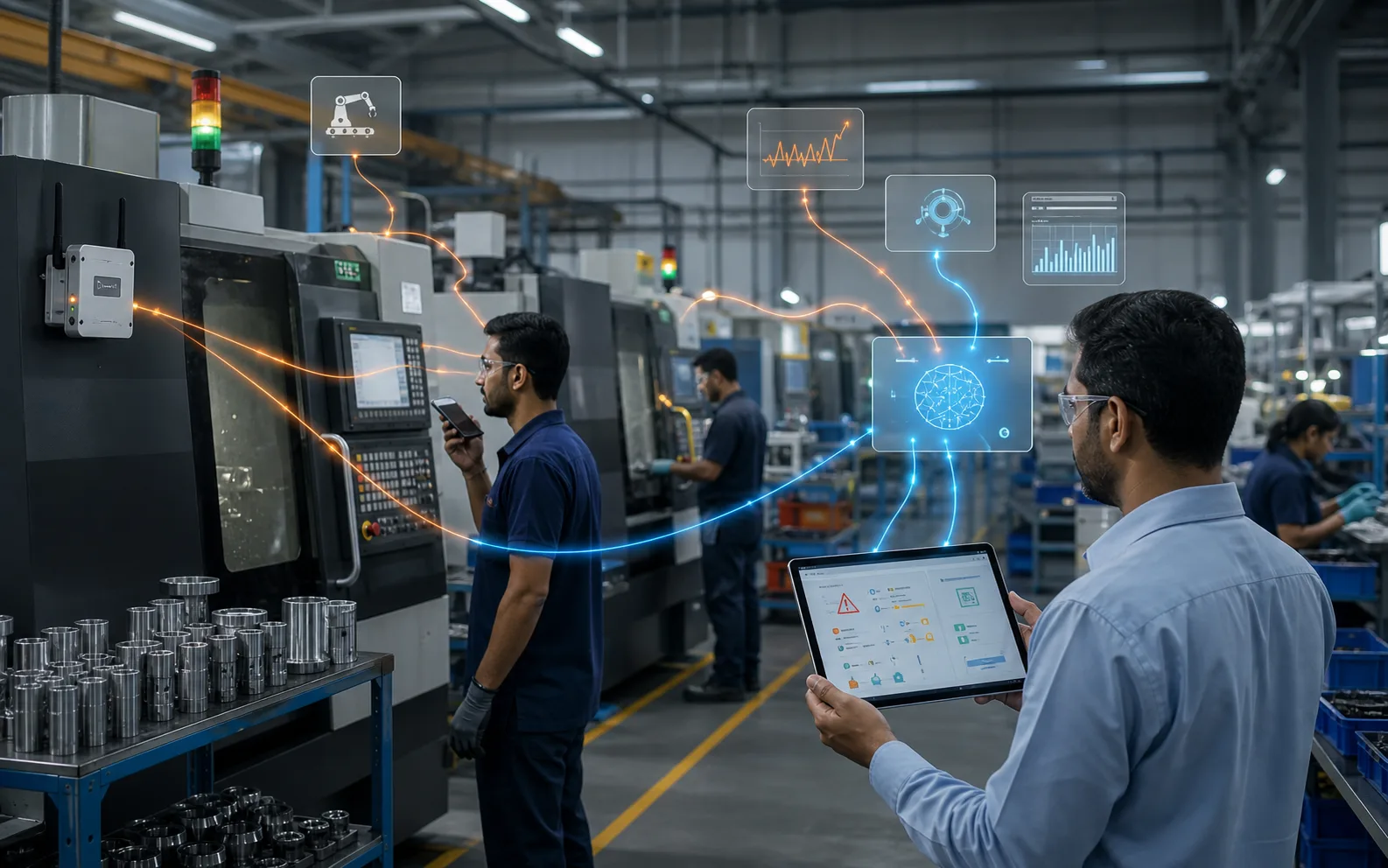
Is AI Worth the Investment for My Factory?
Learn how to decide if AI is worth the investment for your factory by evaluating use cases, data readiness, costs, risks, ROI, and operational impact.
13 Jun 2026Read more →Manufacturing AI Mistakes to Avoid Before You Start
List manufacturing AI mistakes and controls for unclear use case, messy data, unsafe automation, no owner, weak security and unreviewed recommendations.
13 Jun 2026Read more →What's the Difference Between AI and Regular Automation?
Understand the difference between AI and regular automation in manufacturing, with practical examples for workflows, decisions, alerts, and predictive operations.
13 Jun 2026Read more →What Are the Risks of Using AI in Manufacturing?
Understand the risks of AI in manufacturing, including bad data, wrong recommendations, safety issues, security, job fear, over-automation, and implementation failure.
13 Jun 2026Read more →