
What Percentage of Tasks Can AI Automate in My Business?
AI can automate a meaningful percentage of repetitive business tasks, but the exact number depends on workflow clarity, data quality, risk, and human judgment needs.
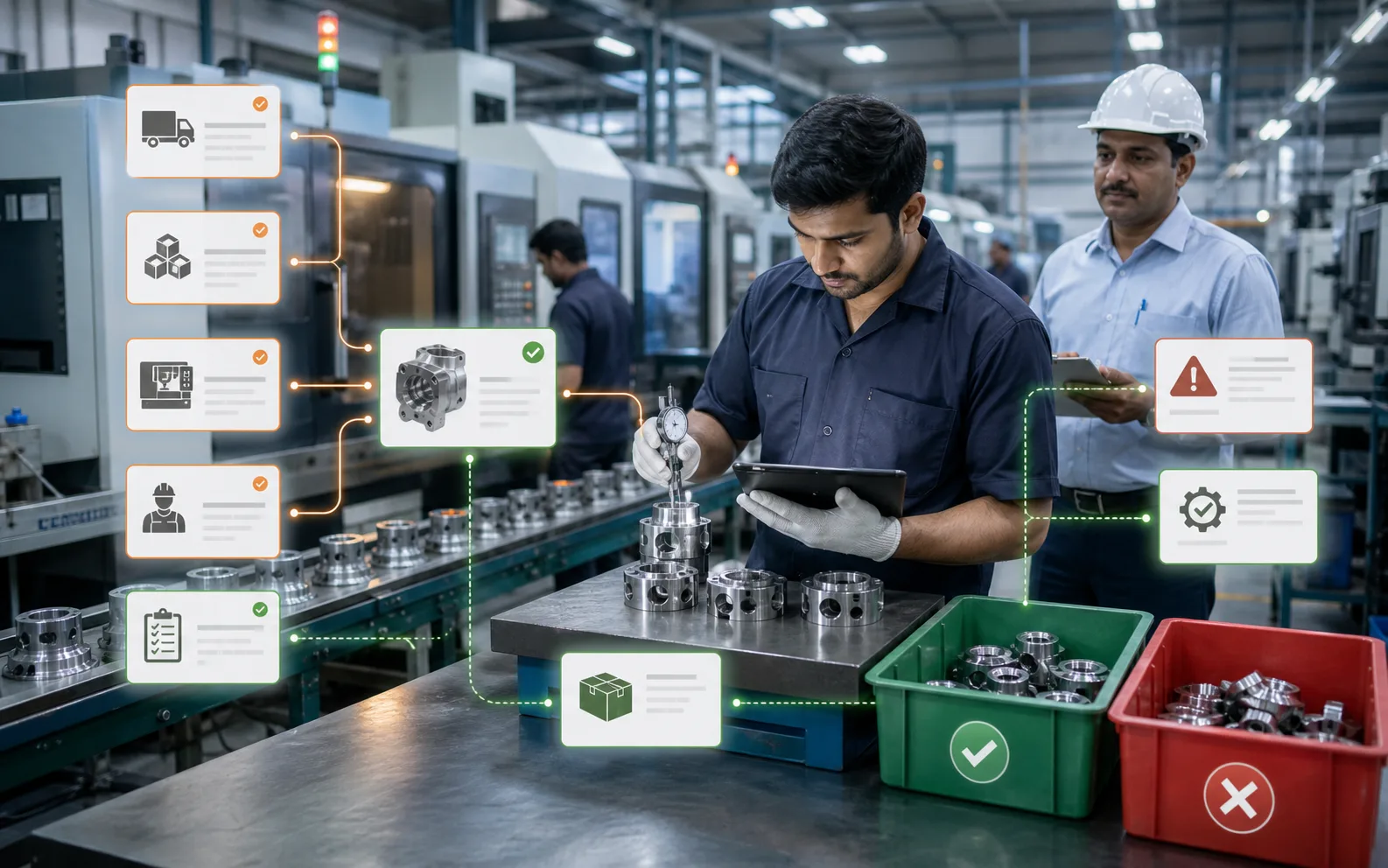
What Percentage of Tasks Can AI Automate in My Business?
AI may automate a meaningful percentage of tasks in your business, but the exact number depends on what your team actually does.
Most businesses have a mix of repetitive tasks, judgment-heavy work, customer-sensitive situations, and strategic decisions. AI is best for the repetitive and structured part of that mix. It should support, not blindly replace, the rest.
Start by Mapping Tasks
Do not estimate automation potential by job title.
List actual tasks: follow-ups, reports, scheduling, data checks, customer intake, approvals, complaints, planning, analysis, and decision-making.
Classify by Automation Fit
Tasks with high repeatability, clear rules, low risk, and reliable data are good candidates.
Tasks requiring empathy, negotiation, creativity, or accountability should remain human-led.
Typical Automation Areas
AI can often support or automate follow-ups, summaries, reminders, booking, basic customer responses, report drafting, data checks, and task routing.
AICAN Optiwise supports AI workflows across connected manufacturing operations, making automation potential easier to identify across departments.
Be Careful With Percentages
A claim like “AI can automate 70 percent of work” is meaningless without task mapping.
A realistic assessment is better than a broad promise.
Where AICAN Optiwise Fits
AICAN Optiwise helps manufacturers identify automation opportunities in production, inventory, purchase, sales, finance, and reporting workflows.
Learn more at About AICAN.
Founder’s Note
Automation potential should be measured task by task. That keeps the conversation honest and reduces fear.
AI is strongest when it is specific.
FAQ
Can AI automate most of my business?
It depends on task mix. Repetitive digital tasks are easier to automate than judgment-heavy work.
How do I estimate automation percentage?
Map tasks and score them by repeatability, data quality, risk, and judgment required.
Should I automate all eligible tasks at once?
No. Start with high-value, low-risk tasks.
What remains human-led?
Strategy, relationships, complaints, negotiation, leadership, and complex decisions.
Final Thought
AI automation potential is best calculated by looking at real tasks, not roles.
Start specific, measure results, and expand carefully. That is the practical automation method AICAN supports.

Related Posts

Is AI Worth the Investment for My Factory?
Learn how to decide if AI is worth the investment for your factory by evaluating use cases, data readiness, costs, risks, ROI, and operational impact.
13 Jun 2026Read more →Manufacturing AI Mistakes to Avoid Before You Start
List manufacturing AI mistakes and controls for unclear use case, messy data, unsafe automation, no owner, weak security and unreviewed recommendations.
13 Jun 2026Read more →What's the Difference Between AI and Regular Automation?
Understand the difference between AI and regular automation in manufacturing, with practical examples for workflows, decisions, alerts, and predictive operations.
13 Jun 2026Read more →What Are the Risks of Using AI in Manufacturing?
Understand the risks of AI in manufacturing, including bad data, wrong recommendations, safety issues, security, job fear, over-automation, and implementation failure.
13 Jun 2026Read more →