
Performance Evaluation Techniques for Effective Employee Management in Small Businesses
Written by Reading progress Call us In the dynamic world of small businesses, effective employee management is the cornerstone of success. As an MSME owner or manager, you’re not just overseeing operations; you’re nurtur…

Performance Evaluation Techniques for Effective Employee Management in Small Businesses
Written by
vedant@aican.co.in
Reading progress
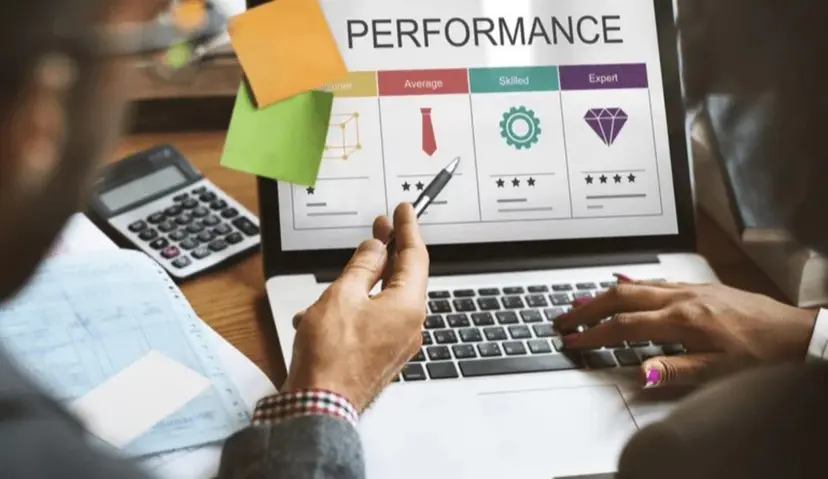
In the dynamic world of small businesses, effective employee management is the cornerstone of success. As an MSME owner or manager, you’re not just overseeing operations; you’re nurturing talent, fostering growth, and building a team that can propel your business forward. Let’s dive into some cutting-edge performance evaluation techniques that can revolutionize your approach to employee management.
The Evolution of Performance Evaluations
Gone are the days of annual reviews that leave both managers and employees dreading the process. Modern performance evaluation techniques are more frequent, more collaborative, and more aligned with the fast-paced nature of small businesses.
“The best performance evaluation systems are those that evolve with your business, providing real-time insights and fostering continuous improvement.” – Rajesh Patel, HR Consultant for MSMEs
- Continuous Feedback Loops: Implementing a system of continuous feedback can transform your employee management approach:
- Regular Check-ins: Schedule brief, weekly or bi-weekly one-on-one meetings
- 360-Degree Feedback: Gather insights from peers, subordinates, and managers
- Real-time Recognition: Use tools like AICAN Optiwise to provide immediate praise for jobs well done
- Objective-Based Evaluations: Small businesses thrive on agility, and your performance evaluations should reflect that:
- Set clear, measurable objectives aligned with company goals
- Use SMART criteria (Specific, Measurable, Achievable, Relevant, Time-bound)
- Review progress regularly, not just at year-end
- Adjust objectives as business needs evolve
- Skills Matrix Assessment: In a small business, versatility is key. A skills matrix can help you:
- Identify skill gaps in your team
- Plan targeted training and development
- Recognize hidden talents among your employees
- Peer Evaluation Systems: Harness the power of your team’s collective insight:
- Implement peer review sessions
- Use anonymous feedback forms
- Create mentorship pairs or small groups
- Data-Driven Performance Metrics: Leverage technology to gather objective performance data:
- Utilize IoT sensors to track productivity metrics
- Implement customer satisfaction surveys linked to employee interactions
- Use project management tools to monitor task completion rates
- Self-Evaluation Techniques: Empower your employees to take ownership of their performance:
- Provide self-assessment templates
- Encourage reflection on achievements and areas for improvement
- Compare self-evaluations with manager assessments to identify perception gaps
- Gamification of Performance Goals: Inject some fun into the evaluation process:
- Create a points system for achieving targets
- Set up team challenges linked to company objectives
- Offer rewards or recognition for top performers
Integrating Evaluation Techniques with Your ERP
To truly revolutionize your employee management, integrate these evaluation techniques with your existing systems. AICAN Optiwise offers customizable modules that can help you:
- Track performance metrics in real-time
- Generate automated evaluation reports
- Link employee performance to overall business KPIs
By centralizing your employee management data, you’ll gain deeper insights and save countless hours in administrative tasks.
Conclusion: Empowering Growth Through Effective Evaluation
Implementing these innovative performance evaluation techniques can transform your approach to employee management in your small business. By fostering a culture of continuous feedback, aligning individual goals with company objectives, and leveraging data-driven insights, you’ll not only improve employee performance but also drive overall business growth.
Remember, the key to successful employee management lies in choosing techniques that resonate with your company culture and adapting them as your business evolves. With the right tools and approach, you can create a work environment where every team member feels valued, understood, and motivated to excel.
Ready to take your employee management to the next level? Contact AICAN Optiwise today to learn how our OptiWise solution can streamline your performance evaluation processes and drive your small business towards greater success.

Related Posts
Will AI Create More Jobs Than It Destroys?
Explore whether AI will create more jobs than it destroys, with a practical view of manufacturing, automation, new roles, reskilling, and business transformation.
13 Jun 2026Read more →Manufacturing AI vs. Hiring More Workers
Compare manufacturing AI with hiring more workers and learn when automation, better systems, training, or additional people are the right answer.
7 Jun 2026Read more →
Will AI Replace My Production Planning Job?
Understand how AI affects production planning jobs, what tasks may change, and how planners can become more valuable with AI-supported scheduling and visibility.
6 Jun 2026Read more →Do I Need Special Skills to Use AI in Manufacturing?
Learn what skills manufacturing teams need to use AI, including process knowledge, data discipline, prompt clarity, review judgment, ERP understanding, and change readiness.
6 Jun 2026Read more →