
The Role of ERP in Sustainable Manufacturing: Driving Eco-Friendly Practices in Industry
Written by Reading progress Call us In recent years, sustainability has become a critical focus for the manufacturing sector. As environmental concerns grow and regulations tighten, manufacturers are increasingly seeking…
The Role of ERP in Sustainable Manufacturing: Driving Eco-Friendly Practices in Industry
Written by
vedant@aican.co.in
Reading progress
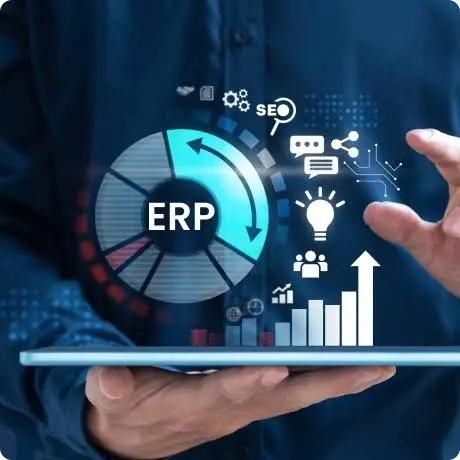
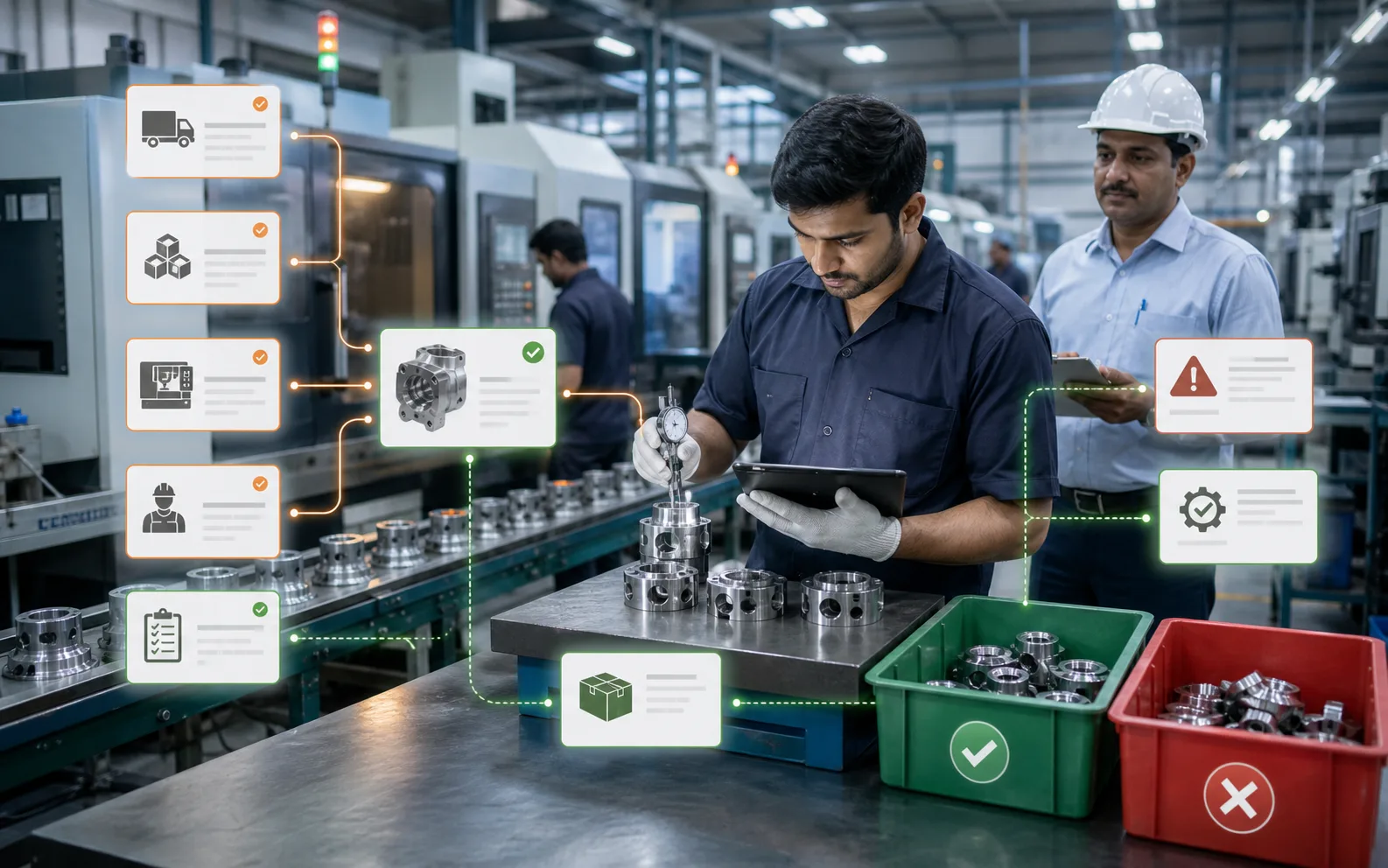
In recent years, sustainability has become a critical focus for the manufacturing sector. As environmental concerns grow and regulations tighten, manufacturers are increasingly seeking ways to reduce their ecological footprint while maintaining productivity and profitability. Enterprise Resource Planning (ERP) systems have emerged as powerful tools in this pursuit, offering innovative solutions to drive sustainable manufacturing practices.
Sustainable manufacturing is no longer just a buzzword; it’s a business imperative. Consumers are demanding eco-friendly products, investors are prioritizing environmentally responsible companies, and governments worldwide are implementing stricter environmental regulations. For manufacturers, especially small and medium-sized enterprises (SMEs), the challenge lies in implementing sustainable practices without compromising operational efficiency or financial viability.
ERP: A Catalyst for Sustainable Manufacturing
Modern ERP systems, such as Optiwise by AICAN, are playing a crucial role in enabling and accelerating sustainable manufacturing practices. Here’s how:
1.Optimizing Resource Utilization
ERP systems provide real-time visibility into resource consumption, allowing manufacturers to identify and eliminate waste and inefficiencies. Through features like IoT integration, these systems can monitor energy usage, water consumption, and raw material utilization in real-time. This granular level of insight enables manufacturers to optimize their processes, reducing resource waste and associated environmental impact.
2.Minimizing Waste Through Precise Planning
Overproduction is a significant source of waste in manufacturing. Advanced ERP systems use AI-driven algorithms and historical data to forecast demand accurately, helping manufacturers implement just-in-time production strategies. This precision in planning minimizes excess inventory, reduces waste, and lowers the environmental impact of storing and disposing of unsold goods.
3.Enhancing Supply Chain Sustainability
Sustainability efforts extend beyond the factory floor to the entire supply chain. ERP systems can help manufacturers select and manage eco-friendly suppliers, track the carbon footprint of their supply chain, and optimize logistics to reduce transportation emissions. By providing a holistic view of the supply chain, ERP enables manufacturers to make informed decisions that align with their sustainability goals.
4.Supporting Circular Economy Initiatives
The circular economy concept is gaining traction in manufacturing, and ERP systems are vital in supporting these initiatives. They can track materials through their lifecycle, manage refurbishment and recycling processes, and provide data for lifecycle assessments. This capability is crucial for manufacturers looking to implement take-back programs, manage product end-of-life, and close the loop in their production processes.
5.Ensuring Compliance with Environmental Regulations
Keeping up with evolving environmental regulations can be challenging, especially for SMEs. ERP systems can automate compliance processes, track relevant metrics, and generate required reports. This automation not only ensures compliance but also frees up resources to focus on proactive sustainability initiatives.
6.Empowering Data-Driven Sustainability Decisions
One of the most significant contributions of ERP to sustainable manufacturing is the wealth of data it provides. By centralizing data from across the organization, ERP systems enable manufacturers to make informed decisions about their sustainability initiatives. Advanced analytics capabilities can provide insights into the environmental impact of different processes, products, and decisions, allowing manufacturers to balance ecological considerations with business goals.
The Future of ERP in Sustainable Manufacturing
As technology continues to evolve, the role of ERP in driving sustainable manufacturing will only grow. Future developments are likely to include:
- AI-driven predictive maintenance to extend machine life and reduce waste
- Blockchain integration for transparent and sustainable supply chains
- Advanced analytics for comprehensive sustainability reporting
- Integration with emerging green technologies
Implementing Sustainable Manufacturing with ERP
For manufacturers looking to leverage ERP for sustainability, consider the following steps:
- Assess your current sustainability challenges and goals
- Choose an ERP system with robust sustainability features
- Implement IoT sensors for real-time monitoring of resource usage
- Utilize the ERP’s analytics capabilities to identify areas for improvement
- Continuously monitor and adjust your sustainability initiatives based on ERP insights
Conclusion
As the manufacturing sector faces growing pressure to reduce its environmental impact, ERP systems have emerged as indispensable tools for implementing and managing sustainable practices. By providing real-time insights, optimizing resource usage, and enabling data-driven decision-making, ERP systems like Optiwise are helping manufacturers, especially SMEs, to balance profitability with environmental responsibility.
The journey towards sustainable manufacturing is complex, but with the right ERP system, it’s a journey that’s not only possible but also profitable. As we move towards a more sustainable future, ERP will continue to play a crucial role in transforming the manufacturing sector, driving innovation, efficiency, and environmental stewardship

Related Posts

Kanban System | Optiwise
Learn how a Kanban system works in manufacturing, where it helps, where it fails, and how Optiwise connects Kanban signals with inventory, purchase, and production planning.
12 Jun 2026Read more →Erp In Operations Management | Optiwise
Learn how ERP improves operations management by connecting planning, inventory, purchase, production, quality, dispatch, finance, and reporting.
12 Jun 2026Read more →ERP for FMCG Companies in India
A practical guide to ERP for FMCG companies in India, covering distributor orders, batch tracking, expiry, inventory, production, schemes, costing, and reporting.
11 Jun 2026Read more →
Optiwise, Odoo, Acumatica and Business Central for Manufacturing
Compare manufacturing workflows in Optiwise, Odoo, Acumatica and Dynamics 365 Business Central. See what your factory can run in Optiwise.
11 Jun 2026Read more →