
Will AI Make My Workers' Jobs Easier or Obsolete?
Understand how AI changes manufacturing jobs, which tasks become easier, which skills matter more, and how leaders can introduce AI responsibly.
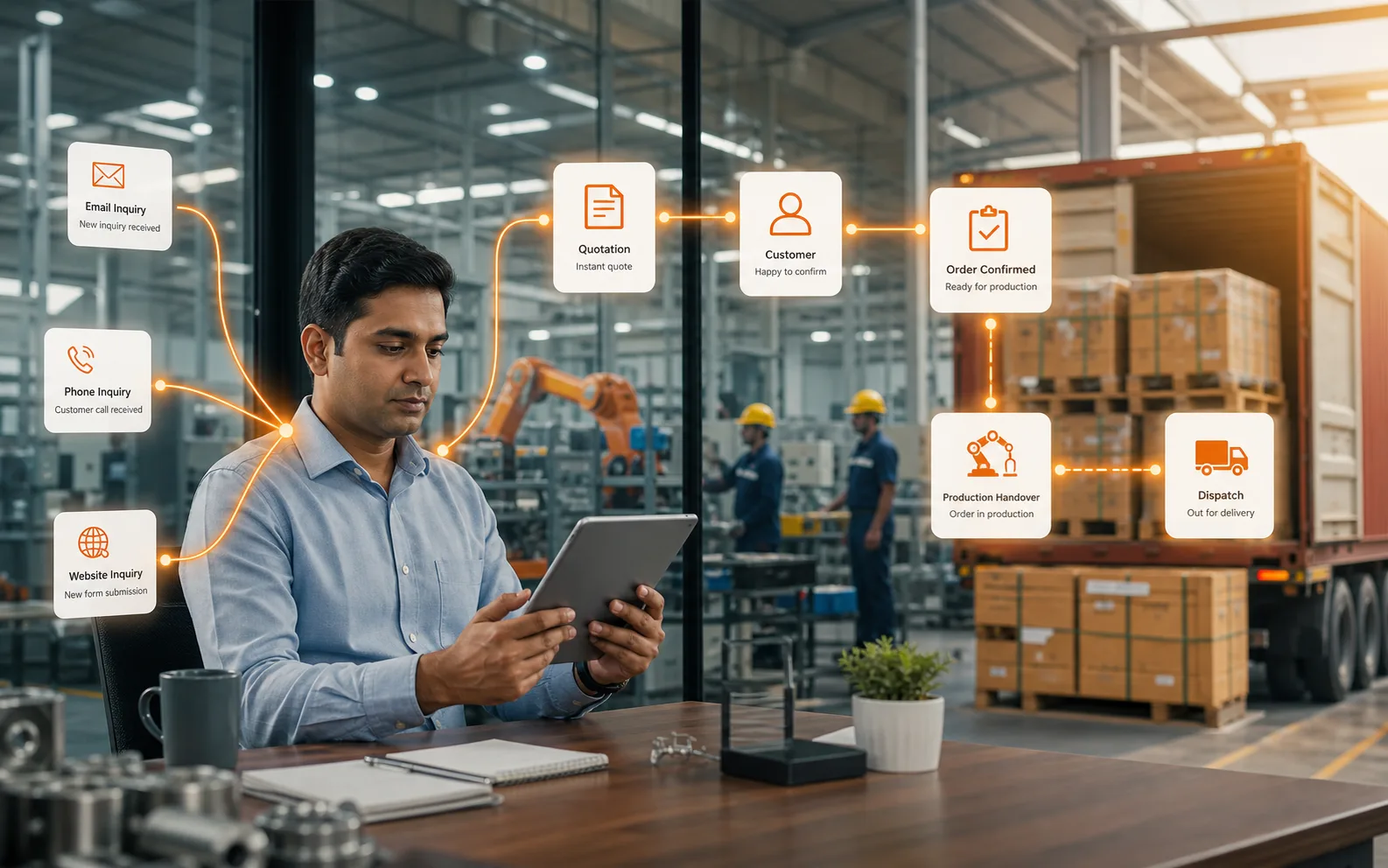
Will AI Make My Workers' Jobs Easier or Obsolete?
AI will make many manufacturing jobs easier before it makes them obsolete. The first impact is usually on repetitive tasks: manual reporting, data checking, follow-ups, status summaries, shortage alerts, and routine comparisons.
That does not mean workers become less important. It means the nature of work changes. People spend less time chasing information and more time using judgment.
In manufacturing, experience still matters because operations are physical, variable, and full of exceptions.
Tasks AI Can Make Easier
AI can help prepare shift summaries, compare planned versus actual output, flag stock risks, draft customer updates, highlight quality trends, and identify machine downtime patterns.
These tasks often consume hours but do not always require senior judgment. AI can prepare the first view so workers and managers can focus on action.
Tasks That Still Need People
People still need to inspect machines, coordinate teams, solve quality issues, negotiate with vendors, manage customer expectations, and understand shopfloor context.
AI can recommend, but it cannot fully replace the practical judgment of someone who knows the process, the people, and the real conditions on the floor.
Why Some Workers Fear AI
Fear is natural when technology is introduced without explanation. Workers may worry that AI is being used to monitor them, reduce headcount, or judge performance unfairly.
Leaders should explain the purpose clearly: reduce manual burden, improve visibility, and help teams make better decisions. Training and involvement matter.
Skills That Become More Valuable
Data discipline, process knowledge, dashboard reading, problem-solving, and critical review become more important. Workers who understand both the process and the system will become stronger contributors.
The future is not AI versus workers. It is AI-assisted workers versus teams still trapped in manual chasing.
Where AICAN Optiwise Fits
AICAN Optiwise helps manufacturing teams work with connected data across production, inventory, purchase, sales, finance, and reporting. This reduces repetitive follow-ups and gives workers clearer information.
AICAN supports practical technology adoption that strengthens people instead of pushing confusing tools onto them. Learn more at About AICAN.
Founder’s Note
The best technology respects the people doing the work. In a factory, experience is not replaceable by a dashboard.
AI should remove friction from the worker’s day: fewer blind spots, fewer repeated calls, fewer late surprises. When that happens, jobs become better, not weaker.
FAQ
Will AI replace manufacturing workers?
AI may automate some repetitive tasks, but many manufacturing roles need physical work, judgment, coordination, and experience.
How can leaders reduce fear?
Communicate clearly, train teams, start with helpful use cases, and involve workers in feedback.
Which jobs change first?
Roles with heavy reporting, data checking, and repetitive follow-ups usually change first.
What should workers learn?
Digital tools, data accuracy, process analysis, and how to review AI recommendations.
Final Thought
AI should make manufacturing work clearer and less repetitive. The companies that train and involve their teams will get better results than those that treat AI as a replacement plan.

Related Posts

Will AI Create More Jobs Than It Destroys?
Explore whether AI will create more jobs than it destroys, with a practical view of manufacturing, automation, new roles, reskilling, and business transformation.
13 Jun 2026Read more →Manufacturing AI vs. Hiring More Workers
Compare manufacturing AI with hiring more workers and learn when automation, better systems, training, or additional people are the right answer.
7 Jun 2026Read more →
Will AI Replace My Production Planning Job?
Understand how AI affects production planning jobs, what tasks may change, and how planners can become more valuable with AI-supported scheduling and visibility.
6 Jun 2026Read more →Do I Need Special Skills to Use AI in Manufacturing?
Learn what skills manufacturing teams need to use AI, including process knowledge, data discipline, prompt clarity, review judgment, ERP understanding, and change readiness.
6 Jun 2026Read more →