
How Much Better Can Factories Run With Better Data and Analytics?
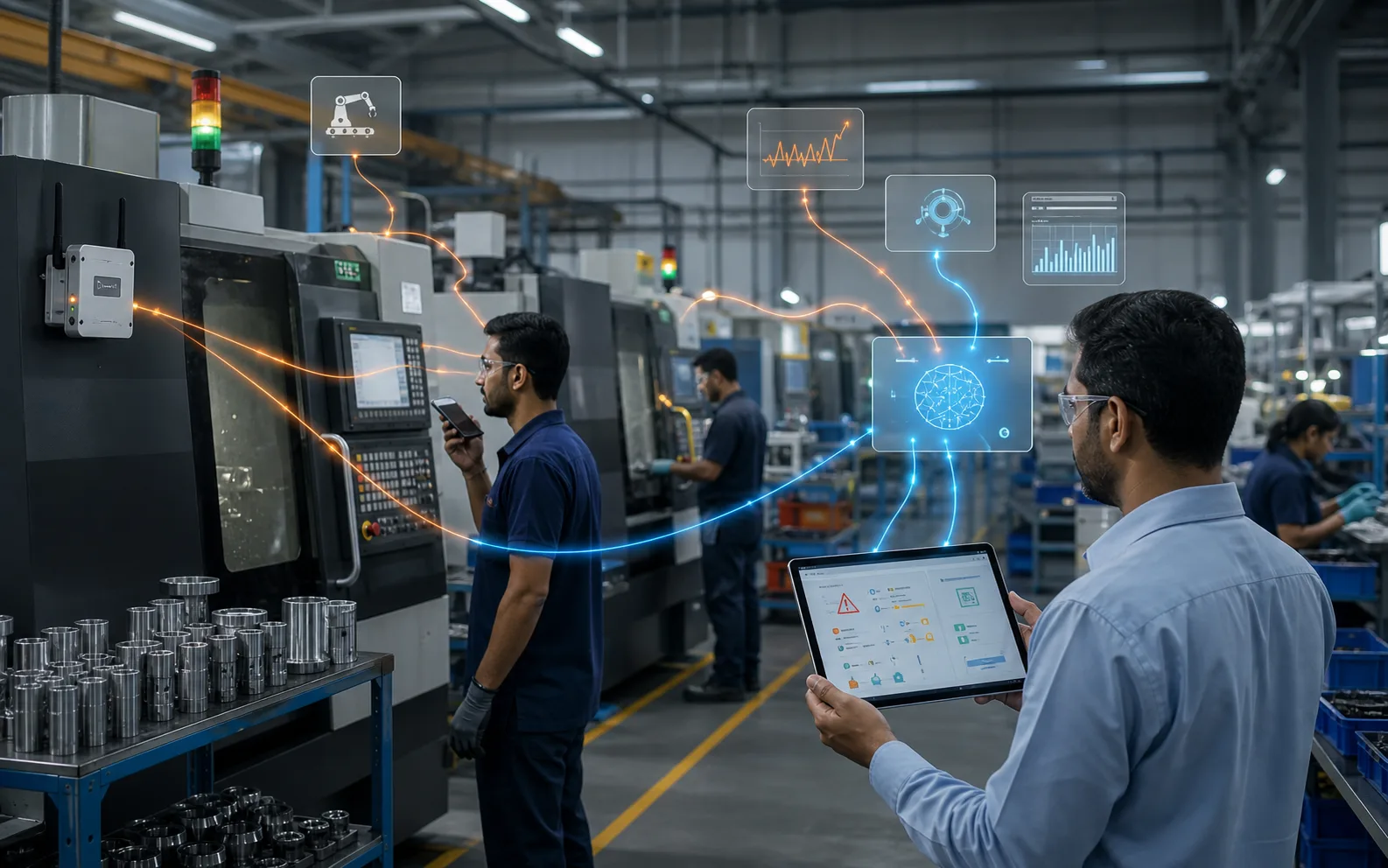
Better data and analytics help factories improve production visibility, downtime control, quality, scheduling, inventory, and management decisions.

How Much Better Can Factories Run With Better Data and Analytics?
Factories can run significantly better with better data and analytics, but the improvement depends on whether teams act on the insights.
Data alone does not improve a factory. Better decisions do. When production, downtime, quality, inventory, purchase, and delivery data become visible in one place, managers can spot problems earlier and reduce avoidable waste.
Better Visibility Reduces Guesswork
Many factories still rely on verbal updates and end-of-day reports.
Better analytics show what is running, what is delayed, which machines are underperforming, where quality issues repeat, and which orders are at risk.
Downtime Becomes Easier to Attack
When downtime reasons are tracked clearly, managers can separate machine issues, material shortages, operator gaps, maintenance problems, and planning delays.
This makes improvement more focused.
Quality Patterns Become Visible
Analytics can show recurring defects by machine, shift, product, material, or process step.
This helps teams fix root causes instead of treating every defect as a separate incident.
AICAN Optiwise connects production, inventory, purchase, sales, finance, reports, IoT readiness, and AI workflows so analytics reflect the whole manufacturing operation.
Scheduling Gets More Realistic
Better data helps planners understand actual capacity, delays, material availability, and priority orders.
This improves schedule reliability.
Where AICAN Optiwise Fits
AICAN Optiwise helps manufacturers turn shop floor and business data into usable visibility. Instead of scattered reports, teams get a connected operating view.
Learn more at About AICAN.
Founder’s Note
Better data makes a factory calmer. It turns debate into diagnosis and urgency into action.
The value is not in dashboards alone. It is in the decisions those dashboards improve.
FAQ
What data helps factories most?
Production, downtime, quality, inventory, purchase, maintenance, and delivery data are especially useful.
Can small factories use analytics?
Yes. Even simple dashboards can reduce guesswork.
Does analytics require IoT?
Not always. Factories can begin with structured manual or digital data.
What should be measured first?
Start with downtime, output, quality issues, material shortages, and schedule adherence.
Final Thought
Factories run better when problems become visible early.
Better data and analytics help teams act with confidence, and that is the operating clarity AICAN is building with Optiwise.

Related Posts
Is AI Worth the Investment for My Factory?
Learn how to decide if AI is worth the investment for your factory by evaluating use cases, data readiness, costs, risks, ROI, and operational impact.
13 Jun 2026Read more →Manufacturing AI Mistakes to Avoid Before You Start
List manufacturing AI mistakes and controls for unclear use case, messy data, unsafe automation, no owner, weak security and unreviewed recommendations.
13 Jun 2026Read more →What's the Difference Between AI and Regular Automation?
Understand the difference between AI and regular automation in manufacturing, with practical examples for workflows, decisions, alerts, and predictive operations.
13 Jun 2026Read more →What Are the Risks of Using AI in Manufacturing?
Understand the risks of AI in manufacturing, including bad data, wrong recommendations, safety issues, security, job fear, over-automation, and implementation failure.
13 Jun 2026Read more →