
Can AI Agents Improve Employee Satisfaction?
AI agents can improve employee satisfaction by reducing repetitive work, overtime, manual follow-ups, reporting burden, and task confusion.
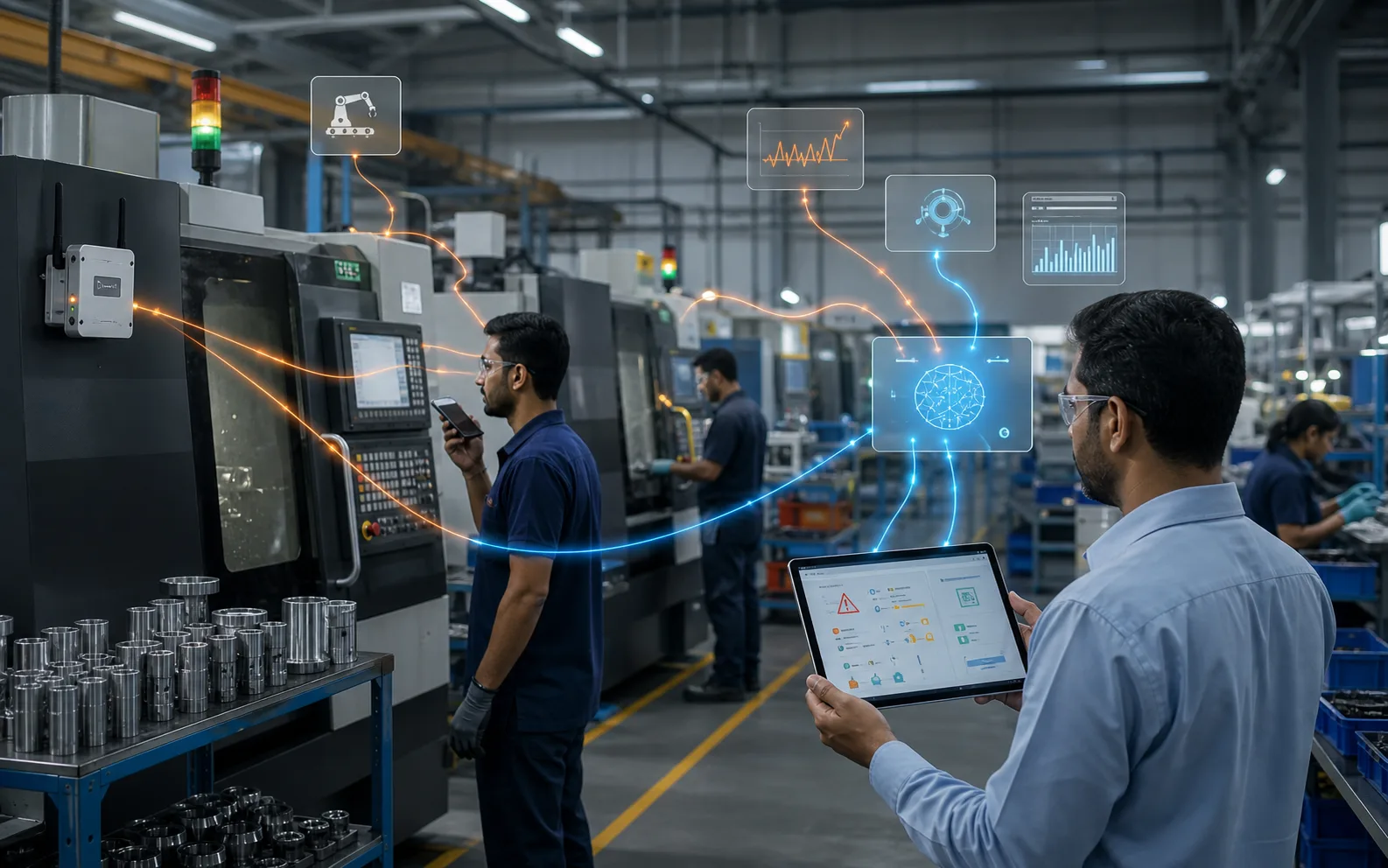
Can AI Agents Improve Employee Satisfaction?
AI agents can improve employee satisfaction when they remove repetitive, frustrating work and make daily priorities clearer.
Employees often feel drained not only by difficult work, but by repeated follow-ups, manual reports, status chasing, duplicate data entry, and after-hours catch-up. AI can reduce that load when implemented thoughtfully.
But if AI is introduced poorly, it can also create fear and resistance.
AI Can Remove Repetitive Work
Employees usually appreciate tools that reduce boring, low-value tasks.
AI agents can help with reminders, summaries, follow-ups, scheduling, data checks, and routine reports.
AI Can Reduce Confusion
When AI agents summarize pending tasks or route requests correctly, employees spend less time figuring out what needs attention.
This improves focus.
AI Can Support Work-Life Balance
If AI reduces after-hours follow-ups and reporting, employees may experience less overtime pressure.
AICAN Optiwise supports AI workflows inside connected operations, helping reduce manual coordination across manufacturing departments.
Poor Rollout Can Hurt Satisfaction
If employees feel AI is being used to replace them or monitor them unfairly, satisfaction drops.
Clear communication and training are essential.
Where AICAN Optiwise Fits
AICAN Optiwise helps businesses introduce AI in practical workflows where teams can see daily value, not just management dashboards.
Learn more at About AICAN.
Founder’s Note
Employee satisfaction improves when people feel their time is respected. AI should remove unnecessary friction, not make people feel less trusted.
Automation should make work more human, not less.
FAQ
Can AI improve employee morale?
Yes, if it reduces repetitive work and helps people focus on higher-value tasks.
Can AI hurt morale?
Yes, if introduced with poor communication or job fear.
What tasks improve satisfaction most?
Follow-ups, reporting, reminders, scheduling, and status updates.
Should employees be involved in setup?
Yes. Their feedback helps AI fit real work.
Final Thought
AI agents can improve employee satisfaction when they reduce frustration and protect focus.
The key is thoughtful rollout, clear communication, and real workflow relief. That is the people-centered efficiency AICAN supports.

Related Posts
Is AI Worth the Investment for My Factory?
Learn how to decide if AI is worth the investment for your factory by evaluating use cases, data readiness, costs, risks, ROI, and operational impact.
13 Jun 2026Read more →Manufacturing AI Mistakes to Avoid Before You Start
List manufacturing AI mistakes and controls for unclear use case, messy data, unsafe automation, no owner, weak security and unreviewed recommendations.
13 Jun 2026Read more →What's the Difference Between AI and Regular Automation?
Understand the difference between AI and regular automation in manufacturing, with practical examples for workflows, decisions, alerts, and predictive operations.
13 Jun 2026Read more →What Are the Risks of Using AI in Manufacturing?
Understand the risks of AI in manufacturing, including bad data, wrong recommendations, safety issues, security, job fear, over-automation, and implementation failure.
13 Jun 2026Read more →