
Comparing Different AI Vendors for Manufacturing
Learn how to compare manufacturing AI vendors based on use case fit, data needs, ERP integration, explainability, security, support, training, and ROI.
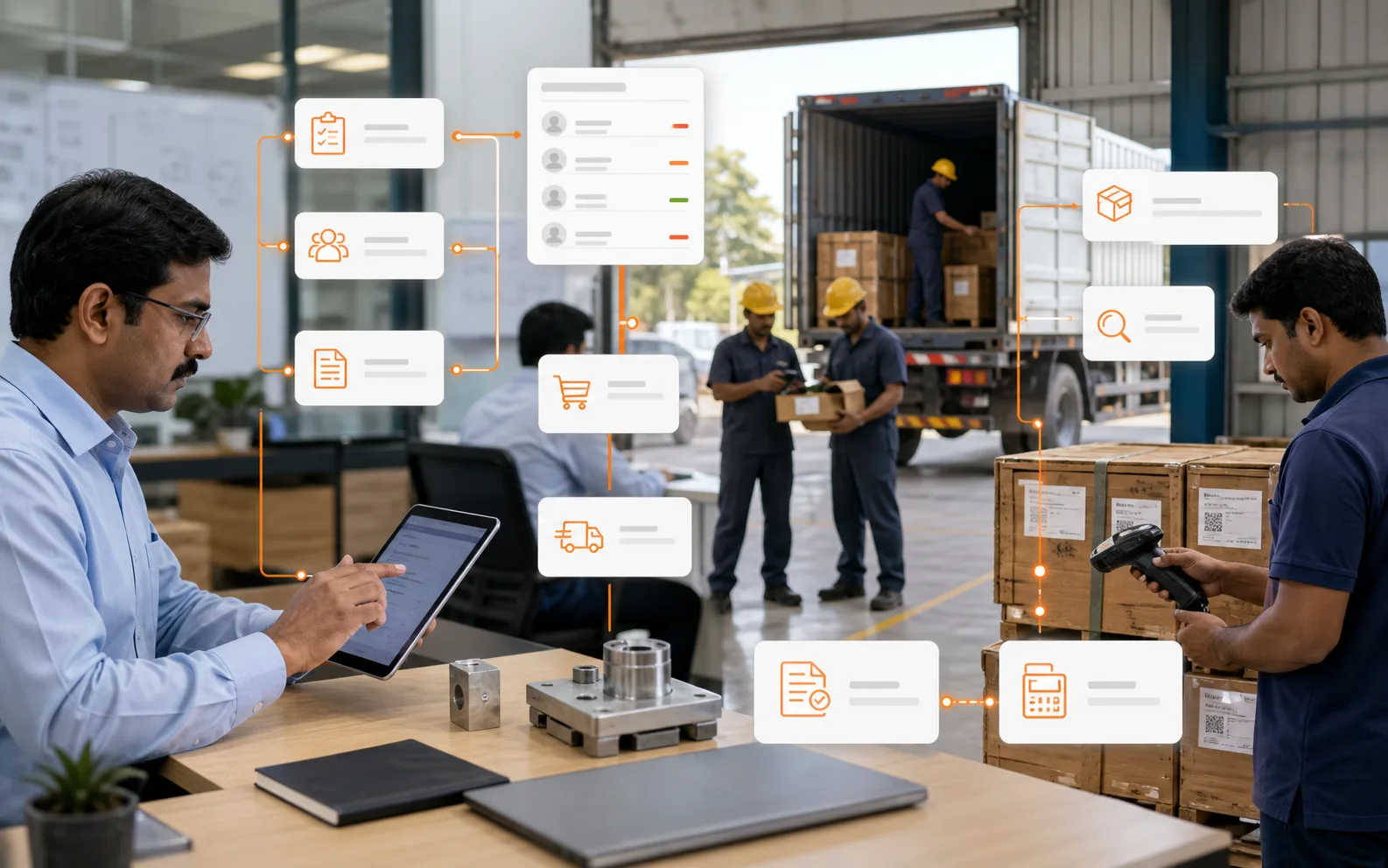
Comparing Different AI Vendors for Manufacturing
Comparing AI vendors for manufacturing should be based on practical fit, not only feature lists. The right vendor should understand your use case, your data, your workflows, your security needs, and your expected outcomes.
A polished demo is useful, but it is not proof. Manufacturers should compare vendors through pilots, evidence, and operational questions.
Use Case Fit
Start by asking which manufacturing problem the vendor solves best. Maintenance, quality, inventory, planning, reporting, and customer updates require different strengths.
A vendor that does everything vaguely may not solve your specific problem well.
Data Requirements
Compare what data each vendor needs. Does it require clean ERP data, sensor data, maintenance logs, quality records, or manual inputs?
Also ask how the tool handles missing or messy data.
Integration Capability
AI should connect with existing systems wherever possible. Ask about ERP integration, production systems, inventory records, purchase workflows, and reporting dashboards.
Disconnected AI creates extra work.
Explainability
Users should understand why the AI recommends something. Compare how each vendor shows source data, patterns, confidence, and reasoning.
Manufacturing teams need trust before action.
Security and Data Control
Ask where data is stored, who can access it, whether it trains shared models, and what audit logs exist.
Manufacturing data is sensitive and strategic.
Support and Training
AI requires onboarding, training, and improvement after launch. Compare vendor support quality, response time, documentation, and willingness to adapt workflows.
ROI Evidence
Ask for pilot success criteria and measurable outcomes. Strong vendors can help define ROI honestly.
Where AICAN Optiwise Fits
AICAN Optiwise helps manufacturers judge AI vendors from a connected operations perspective. Production, inventory, purchase, sales, finance, and reporting context matters when comparing tools.
AICAN supports practical AI decisions based on fit and measurable value. Learn more at About AICAN.
Founder’s Note
The best vendor is not always the one with the longest feature list. It is the one that helps your factory solve a real problem with clarity and control.
Compare vendors by what your team can actually use.
FAQ
Should I choose the cheapest AI vendor?
Not automatically. Compare value, integration, security, support, and fit.
Is a demo enough to decide?
No. Use a pilot with real data where possible.
What is the most important comparison factor?
Use case fit and measurable business outcome are critical.
Should ERP integration matter?
Yes. Integration reduces duplicate work and improves AI context.
Final Thought
Compare manufacturing AI vendors with operational discipline. Ask what problem they solve, what data they need, how they integrate, and how value will be measured.

Related Posts
Is AI Worth the Investment for My Factory?
Learn how to decide if AI is worth the investment for your factory by evaluating use cases, data readiness, costs, risks, ROI, and operational impact.
13 Jun 2026Read more →Manufacturing AI Mistakes to Avoid Before You Start
List manufacturing AI mistakes and controls for unclear use case, messy data, unsafe automation, no owner, weak security and unreviewed recommendations.
13 Jun 2026Read more →What's the Difference Between AI and Regular Automation?
Understand the difference between AI and regular automation in manufacturing, with practical examples for workflows, decisions, alerts, and predictive operations.
13 Jun 2026Read more →What Are the Risks of Using AI in Manufacturing?
Understand the risks of AI in manufacturing, including bad data, wrong recommendations, safety issues, security, job fear, over-automation, and implementation failure.
13 Jun 2026Read more →