
Do Competitors Using AI Have an Unfair Advantage?
Understand how competitors using AI can gain manufacturing advantages in cost, speed, quality, delivery, and decision-making, and how to respond strategically.
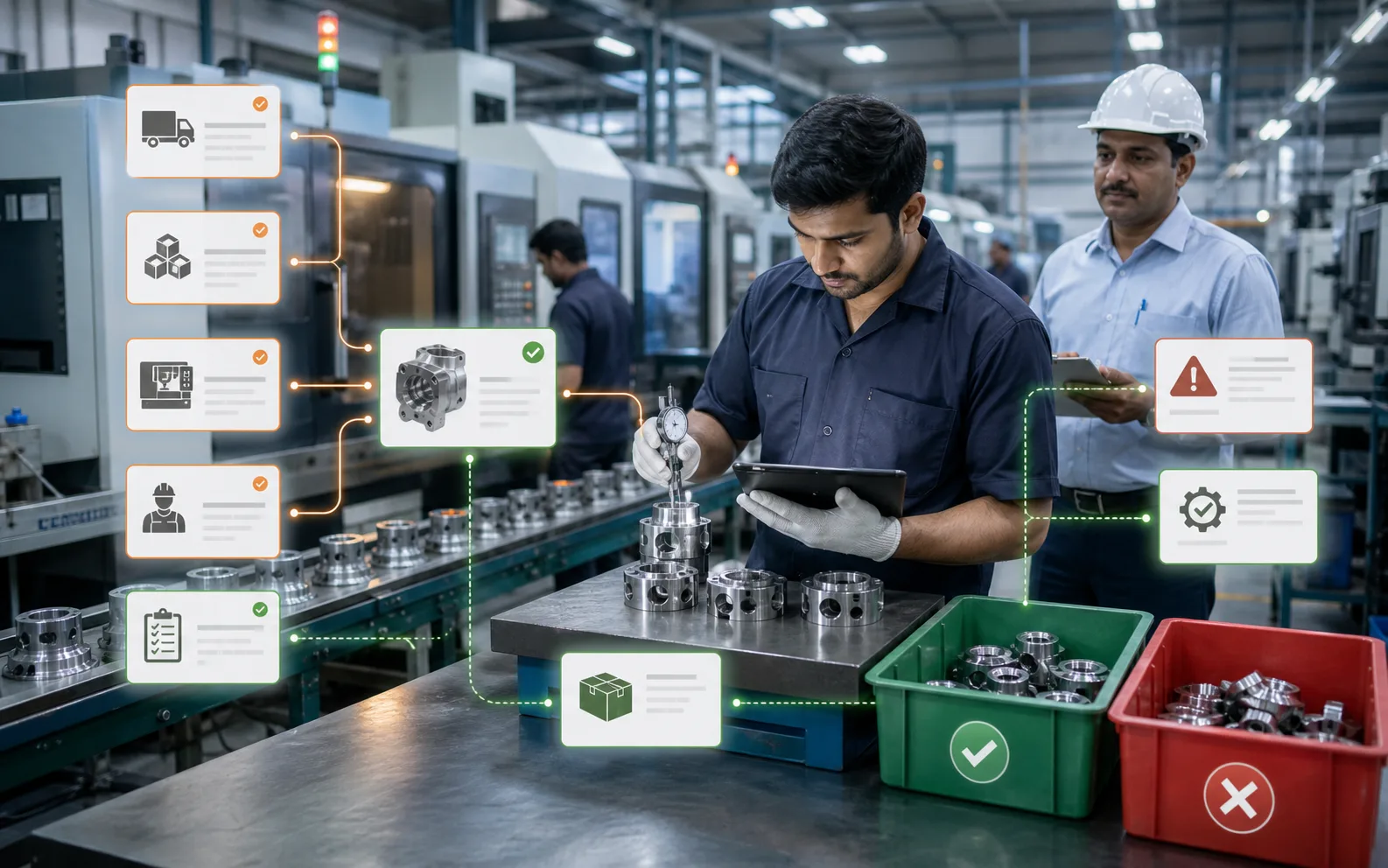
Do Competitors Using AI Have an Unfair Advantage?
Competitors using AI may gain an advantage, but it is not unfair if the advantage comes from better decisions, cleaner data, faster response, and stronger execution. In manufacturing, small improvements in delivery, quality, inventory, and cost can compound over time.
AI driven factory management helps competitors see problems earlier, use capacity better, reduce waste, respond to customers faster, and make fewer decisions from guesswork. If your factory still depends heavily on manual follow-ups and delayed reports, the gap can become real.
The question is not whether AI is fashionable. The question is whether competitors are learning faster than you.
Where AI Creates Competitive Advantage
AI can improve inventory planning, quality control, production scheduling, maintenance, reporting, and customer communication. These improvements affect cost, speed, and reliability.
A competitor that avoids stockouts, reduces rework, and dispatches more predictably can win trust even without lowering prices.
Faster Decisions Matter
Manual factories often discover issues late. AI-ready factories can see exceptions earlier: material risk, delayed production, quality trends, machine downtime, or dispatch risk.
Earlier decisions create more recovery time. That is a competitive advantage.
Better Customer Confidence
Customers value reliability. If AI helps a competitor communicate delivery status clearly, prevent repeated defects, and respond faster, customers may prefer them.
Manufacturing advantage is often built through trust, not only price.
How to Respond
Do not panic-buy AI tools. Start by identifying where competitors may be stronger: delivery, quality, cost, responsiveness, or transparency. Then choose one workflow to improve with connected data and AI support.
A focused response is better than rushed transformation.
Competing With AI Requires Team Adoption
Technology alone is not enough. Competitors gain advantage when their teams use the system well. Your response must include training, data discipline, and management review.
Where AICAN Optiwise Fits
AICAN Optiwise helps manufacturers build competitive operational control by connecting production, inventory, purchase, sales, finance, reporting, IoT readiness, and AI workflows. This can improve responsiveness, cost control, and customer reliability.
Explore aican.co.in and About AICAN to understand the AICAN approach.
Founder’s Note
AICAN’s founder-led belief is that Indian manufacturers should not wait for competitors to define the future. AI should be adopted thoughtfully, but delay has a cost when markets reward speed and reliability.
Competitive advantage belongs to factories that learn and respond faster.
FAQ
Do AI-using competitors have an advantage?
They can, if AI improves their cost, quality, delivery, responsiveness, and decision-making.
Should I adopt AI because competitors are doing it?
You should adopt AI because it solves your business problems. Competitive pressure is a reason to evaluate, not panic.
What first step protects competitiveness?
Improve one high-impact workflow such as inventory risk, production visibility, quality, or dispatch reliability.
Can small factories compete with AI?
Yes. Focused AI adoption can help smaller manufacturers improve speed and control without becoming large enterprises.
Final Thought
Competitors using AI gain advantage when they convert better information into better execution. The response is not fear. It is disciplined modernization.
Next step: Explore AICAN Optiwise to strengthen your factory’s competitive position with connected AI driven management.

Related Posts
Is AI Worth the Investment for My Factory?
Learn how to decide if AI is worth the investment for your factory by evaluating use cases, data readiness, costs, risks, ROI, and operational impact.
13 Jun 2026Read more →Manufacturing AI Mistakes to Avoid Before You Start
List manufacturing AI mistakes and controls for unclear use case, messy data, unsafe automation, no owner, weak security and unreviewed recommendations.
13 Jun 2026Read more →What's the Difference Between AI and Regular Automation?
Understand the difference between AI and regular automation in manufacturing, with practical examples for workflows, decisions, alerts, and predictive operations.
13 Jun 2026Read more →What Are the Risks of Using AI in Manufacturing?
Understand the risks of AI in manufacturing, including bad data, wrong recommendations, safety issues, security, job fear, over-automation, and implementation failure.
13 Jun 2026Read more →