
Educational Paths Into Emerging AI Roles
Learn different educational paths into AI roles, from short courses and certifications to data skills, domain training, engineering, operations, and AI adoption roles.
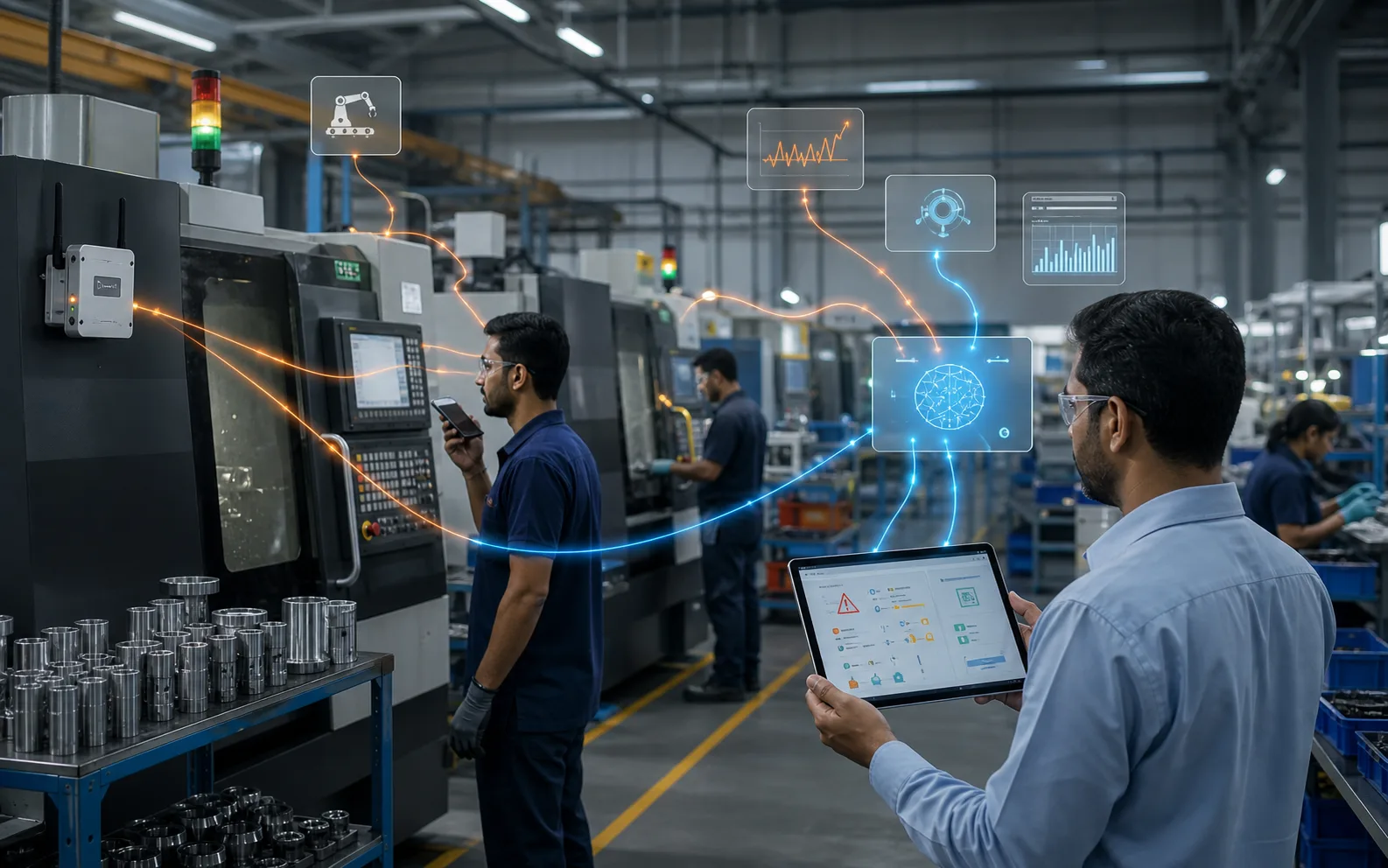
Educational Paths Into Emerging AI Roles
There is more than one path into AI work. Some roles need deep technical education. Others need domain knowledge, data literacy, process thinking, and practical tool usage.
Choose the path based on the role you want.
Technical AI Path
For roles like machine learning engineer or data scientist, you may need:
- Programming
- Statistics
- Machine learning
- Data engineering
- Model evaluation
- Cloud tools
This path is deeper and more technical.
AI Operations Path
For AI operations, adoption, and workflow roles, you may need:
- AI tool usage
- Data literacy
- Process mapping
- ERP or business systems
- Communication
- Project coordination
This path is accessible to many domain professionals.
Manufacturing AI Path
For manufacturing roles, useful learning includes:
- Production systems
- Inventory and ERP
- Quality management
- Automation basics
- Sensors and IoT basics
- Data dashboards
- AI-assisted decision-making
Short Courses and Certifications
Short courses can help build foundations, but choose programs with practical projects.
Learn by Building
Projects matter. Build dashboards, automate reports, clean data, map workflows, or use AI to improve a real process.
Where AICAN Optiwise Fits
AICAN Optiwise creates practical AI learning opportunities for manufacturing teams. Users can learn how AI supports daily workflows instead of studying AI only in theory.
FAQ
Do all AI roles require coding?
No. Many AI adoption and operations roles require process and data skills more than coding.
What is the easiest AI path to start?
AI tool usage plus data literacy is a practical start.
Is manufacturing knowledge useful for AI roles?
Yes. Domain knowledge helps AI solve real problems.
Are certificates enough?
Certificates help, but practical projects and experience matter more.
Final Thought
AI careers are not one single road.
Pick the path that matches your strengths, then build proof through real work.

Related Posts
Is AI Worth the Investment for My Factory?
Learn how to decide if AI is worth the investment for your factory by evaluating use cases, data readiness, costs, risks, ROI, and operational impact.
13 Jun 2026Read more →Manufacturing AI Mistakes to Avoid Before You Start
List manufacturing AI mistakes and controls for unclear use case, messy data, unsafe automation, no owner, weak security and unreviewed recommendations.
13 Jun 2026Read more →What's the Difference Between AI and Regular Automation?
Understand the difference between AI and regular automation in manufacturing, with practical examples for workflows, decisions, alerts, and predictive operations.
13 Jun 2026Read more →What Are the Risks of Using AI in Manufacturing?
Understand the risks of AI in manufacturing, including bad data, wrong recommendations, safety issues, security, job fear, over-automation, and implementation failure.
13 Jun 2026Read more →