
How Often Do I Need to Update My AI Planning System?
Learn how often manufacturers should update AI production planning systems, including master data, live transactions, forecasts, schedules, and planning rules.
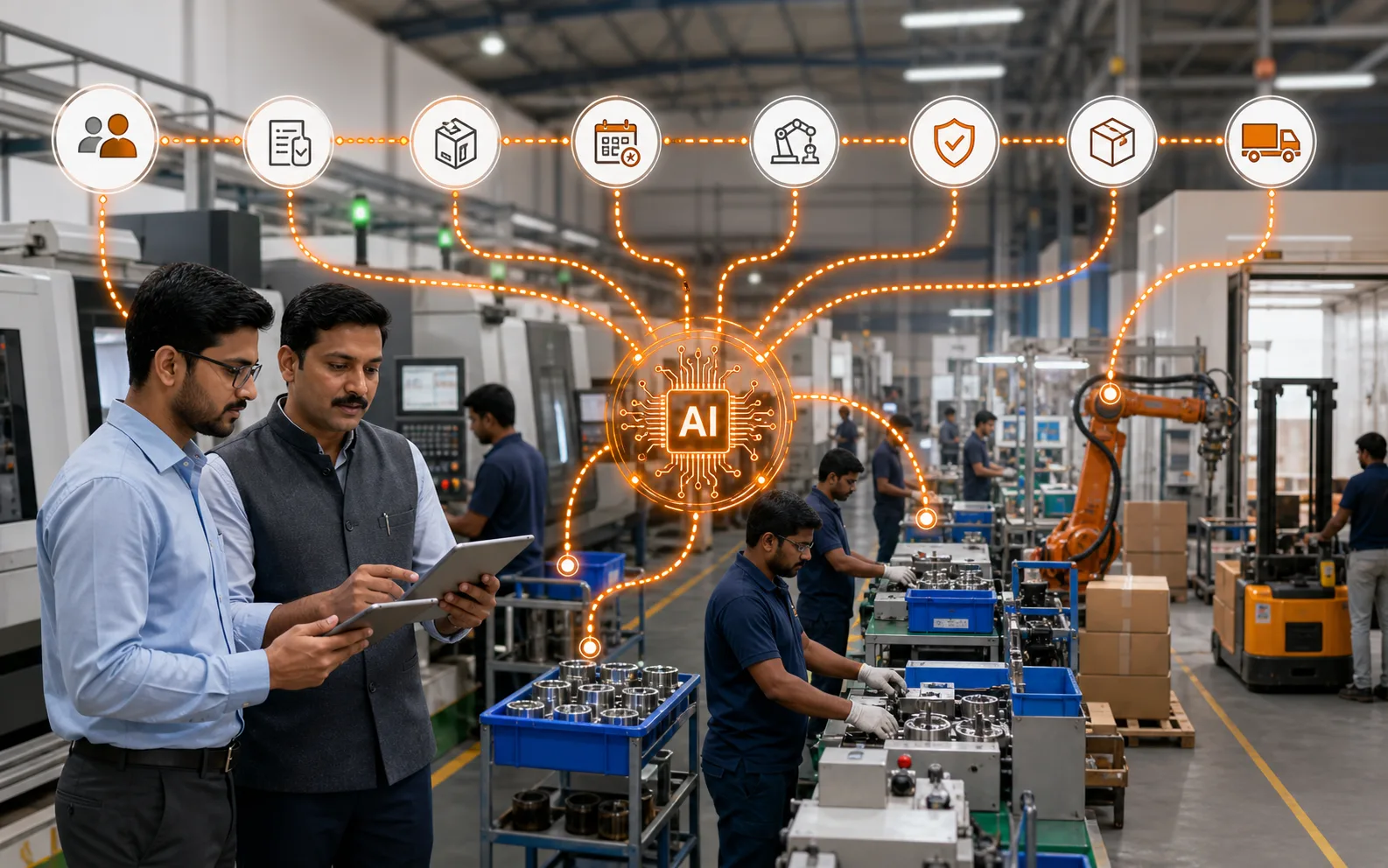
How Often Do I Need to Update My AI Planning System?
You need to update your AI planning system as often as the factory reality changes. Some data must be updated live or daily, while other data can be reviewed weekly, monthly, or when business rules change. The goal is not constant manual work. The goal is keeping the planning system close enough to reality that its recommendations remain useful.
AI for production planning depends on fresh data. If stock movements are delayed, purchase dates are old, production progress is missing, or quality holds are not recorded, the system may recommend plans that cannot be executed.
A planning system is only as current as the updates feeding it.
Data That Needs Frequent Updates
Stock receipts, material issues, production output, downtime, quality holds, purchase delivery dates, urgent orders, and dispatch status should be updated frequently. In fast-moving factories, these updates may need to happen in real time or at least every shift.
These are the data points that directly affect today’s plan.
Data That Can Be Reviewed Periodically
BOMs, routings, machine capacity, supplier lead times, planning rules, safety stock, and forecast assumptions can be reviewed periodically. The review frequency depends on how often products, processes, and suppliers change.
Monthly or quarterly review may work for stable operations, but high-change factories may need more frequent updates.
Forecast Updates
Demand forecasts should be refreshed when new orders, customer signals, seasonal changes, or market shifts appear. If demand changes quickly, weekly forecast review may be useful. Stable demand may need less frequent adjustment.
Forecasts should not sit untouched for months.
Update Ownership Matters
Each department should own its data. Stores should update stock. Purchase should update delivery status. Production should update progress. Quality should update holds and inspection results.
AI planning fails when everyone assumes someone else will update the system.
Where AICAN Optiwise Fits
AICAN Optiwise connects production planning with inventory, purchase, sales, finance, reporting, IoT readiness, and AI workflows. This helps updates flow through daily work rather than becoming separate manual reporting.
Explore AICAN Optiwise and About AICAN.
Founder’s Note
AICAN’s founder-led view is that planning accuracy comes from operating discipline. AI does not need endless maintenance, but it does need honest, timely updates from the people closest to the work.
Fresh data keeps planning trustworthy.
FAQ
Does AI planning need real-time updates?
For critical data such as stock, production status, purchase delays, and quality holds, real-time or shift-wise updates are often important.
How often should forecasts be updated?
Update forecasts whenever demand signals change. Weekly review is useful for dynamic businesses.
Who should update planning data?
Each department should own the data it creates, including stores, purchase, production, quality, sales, and dispatch.
What happens if updates are delayed?
AI recommendations may become inaccurate and planners may lose trust in the system.
Final Thought
Update your AI planning system at the speed of operational change. The closer the data is to reality, the more useful the plan becomes.
Next step: Explore AICAN Optiwise to keep production planning connected to live factory workflows.

Related Posts
Is AI Worth the Investment for My Factory?
Learn how to decide if AI is worth the investment for your factory by evaluating use cases, data readiness, costs, risks, ROI, and operational impact.
13 Jun 2026Read more →Manufacturing AI Mistakes to Avoid Before You Start
List manufacturing AI mistakes and controls for unclear use case, messy data, unsafe automation, no owner, weak security and unreviewed recommendations.
13 Jun 2026Read more →What's the Difference Between AI and Regular Automation?
Understand the difference between AI and regular automation in manufacturing, with practical examples for workflows, decisions, alerts, and predictive operations.
13 Jun 2026Read more →What Are the Risks of Using AI in Manufacturing?
Understand the risks of AI in manufacturing, including bad data, wrong recommendations, safety issues, security, job fear, over-automation, and implementation failure.
13 Jun 2026Read more →