
Is AI Production Planning Secure?
Learn how secure AI production planning systems should protect manufacturing data, user access, integrations, forecasts, schedules, and customer information.
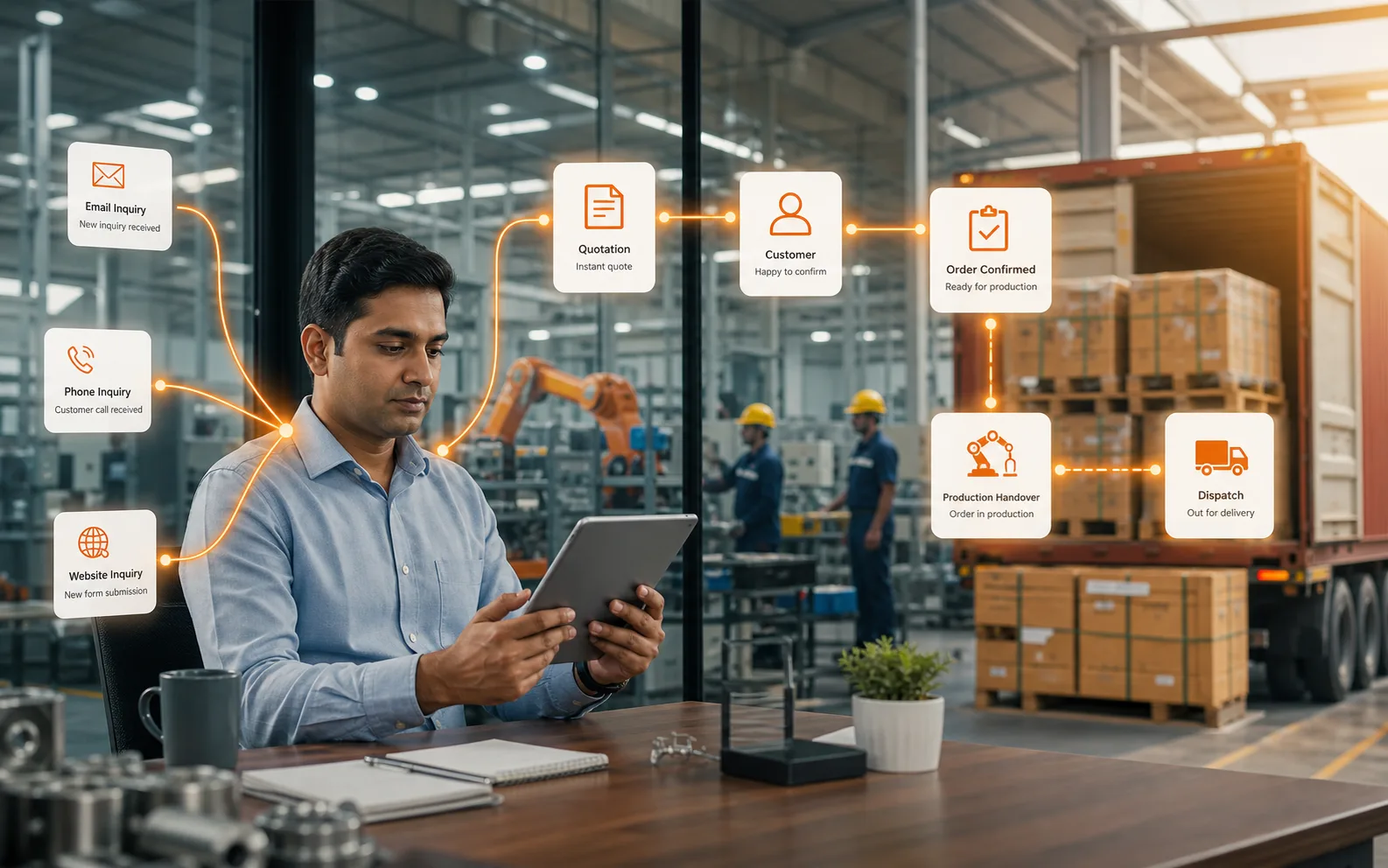
Is AI Production Planning Secure?
AI production planning can be secure when the system is designed and implemented with proper access control, data protection, integration security, backups, and user discipline. Security is important because planning data reveals sensitive information: customer orders, production capacity, material availability, supplier dependencies, delivery dates, and sometimes commercial priorities.
AI for production planning should not expose this information casually. Manufacturers should ask security questions before implementation, not after go-live.
A planning system is part of the factory’s operating nerve center. It deserves serious protection.
What Data Needs Protection?
Production planning systems may hold sales orders, BOMs, inventory, purchase status, schedules, customer priorities, machine capacity, quality holds, dispatch dates, and performance reports.
If exposed, this data can reveal business strategy and operational weakness.
Role-Based Access
Not every user should see all planning information. Planners may need broad scheduling visibility. Operators may need job-level instructions. Purchase teams need material risk. Sales teams need delivery status. Finance may need cost-related views.
Role-based access reduces unnecessary exposure.
Secure Integrations
AI planning may connect to ERP, accounting, inventory, IoT, or reporting systems. These integrations should use secure authentication, controlled permissions, and proper monitoring.
Weak integrations can create hidden security gaps.
AI Data Usage
Ask whether your data is used to train shared models, whether customer data is isolated, and how sensitive prompts or recommendations are handled.
Manufacturers should understand how AI features process their planning data.
User Discipline
Security can fail through shared passwords, uncontrolled exports, personal devices, and informal file sharing. Train users to handle planning data carefully.
Technology and discipline must work together.
Where AICAN Optiwise Fits
AICAN Optiwise connects production planning with inventory, purchase, sales, finance, reporting, IoT readiness, and AI workflows. Manufacturers evaluating Optiwise should discuss role-based access, data handling, integrations, and security expectations with the AICAN team.
Learn more at AICAN Optiwise and About AICAN.
Founder’s Note
AICAN’s founder-led belief is that manufacturing data should be handled with respect. Planning information is not just operational data; it reflects customer trust, capacity, and business strategy.
Secure planning builds confident adoption.
FAQ
Is AI planning data sensitive?
Yes. It can include customer orders, schedules, inventory, production capacity, purchase risk, and delivery commitments.
What security features matter?
Role-based access, encryption, backups, audit logs, secure integrations, user controls, and clear AI data policies matter.
Should users be allowed to export planning data?
Exports should be controlled by role and business need to reduce unnecessary risk.
What should I ask vendors?
Ask about data ownership, access, storage, backups, integrations, AI model usage, and exit rights.
Final Thought
AI production planning security is about protecting the information that keeps your factory moving. Good security makes connected planning safer and easier to trust.
Next step: Explore AICAN Optiwise and discuss secure AI production planning workflows for your factory.

Related Posts

Is AI Worth the Investment for My Factory?
Learn how to decide if AI is worth the investment for your factory by evaluating use cases, data readiness, costs, risks, ROI, and operational impact.
13 Jun 2026Read more →Manufacturing AI Mistakes to Avoid Before You Start
List manufacturing AI mistakes and controls for unclear use case, messy data, unsafe automation, no owner, weak security and unreviewed recommendations.
13 Jun 2026Read more →What's the Difference Between AI and Regular Automation?
Understand the difference between AI and regular automation in manufacturing, with practical examples for workflows, decisions, alerts, and predictive operations.
13 Jun 2026Read more →What Are the Risks of Using AI in Manufacturing?
Understand the risks of AI in manufacturing, including bad data, wrong recommendations, safety issues, security, job fear, over-automation, and implementation failure.
13 Jun 2026Read more →