
Do I Need a Data Scientist to Use AI in Manufacturing?
Learn whether manufacturers need data scientists to use AI, and when simple AI tools, ERP AI features, consultants, or specialist teams are enough.
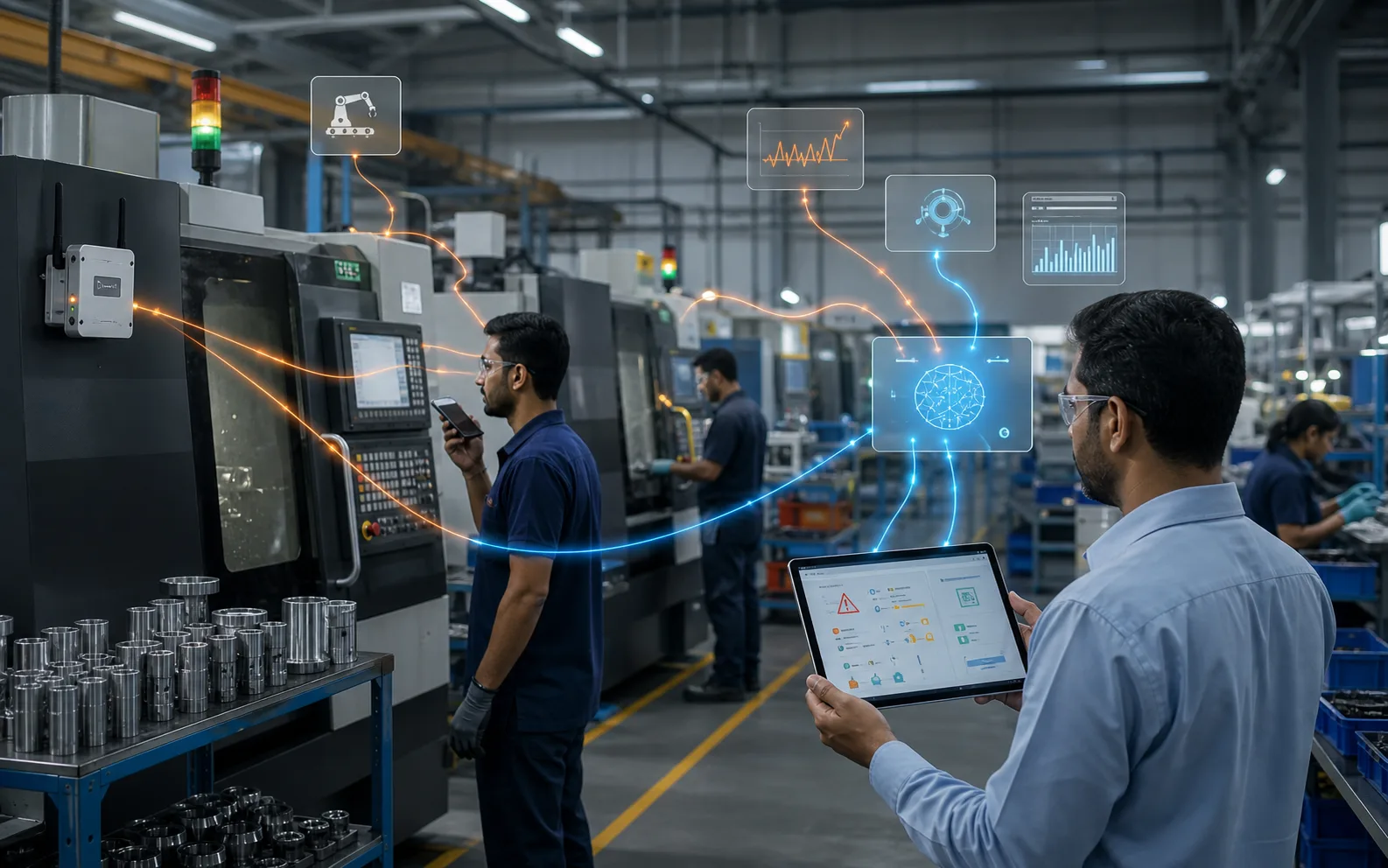
Do I Need a Data Scientist to Use AI in Manufacturing?
You do not always need a data scientist to use AI in manufacturing. For many practical use cases, your existing team can start with AI tools for documentation, reporting, summaries, training, and simple data analysis.
You need a data scientist when the use case becomes complex, custom, or high-risk.
When You Do Not Need a Data Scientist
You can start without a data scientist for SOP creation, report summaries, customer communication drafts, training material, basic spreadsheet analysis, and ERP-connected AI assistants.
These use cases need process knowledge and review more than advanced modeling.
When You May Need Specialist Help
Predictive maintenance, computer vision inspection, advanced demand forecasting, production optimization, and custom AI models may require data scientists, data engineers, or specialized partners.
The Role of Domain Experts
Even with data scientists, manufacturing experts are essential. They explain what the data means, which patterns matter, and which recommendations are practical.
Start With Tools, Then Scale
Most manufacturers should begin with ready AI tools or AI-enabled ERP systems. Build custom AI only after proving the business case.
Where AICAN Optiwise Fits
AICAN Optiwise gives manufacturers AI support inside connected ERP workflows, reducing the need to build everything from scratch. Teams can use AI around real operations while keeping domain experts in control.
FAQ
Can small manufacturers use AI without data scientists?
Yes, especially for documents, reports, summaries, and workflow support.
When should I hire a data scientist?
Hire or consult one for complex predictive models, computer vision, or advanced optimization.
What skill matters most early on?
Process knowledge and clean data discipline matter most.
Final Thought
AI adoption does not have to begin with a data science team. It should begin with a clear problem, good process knowledge, and responsible use of the tools available.

Related Posts
Is AI Worth the Investment for My Factory?
Learn how to decide if AI is worth the investment for your factory by evaluating use cases, data readiness, costs, risks, ROI, and operational impact.
13 Jun 2026Read more →Manufacturing AI Mistakes to Avoid Before You Start
List manufacturing AI mistakes and controls for unclear use case, messy data, unsafe automation, no owner, weak security and unreviewed recommendations.
13 Jun 2026Read more →What's the Difference Between AI and Regular Automation?
Understand the difference between AI and regular automation in manufacturing, with practical examples for workflows, decisions, alerts, and predictive operations.
13 Jun 2026Read more →What Are the Risks of Using AI in Manufacturing?
Understand the risks of AI in manufacturing, including bad data, wrong recommendations, safety issues, security, job fear, over-automation, and implementation failure.
13 Jun 2026Read more →