
How Do I Prevent My Factory Data From Being Hacked?
Learn practical ways to protect factory data from hacking while adopting AI-driven factory management systems and connected manufacturing workflows.
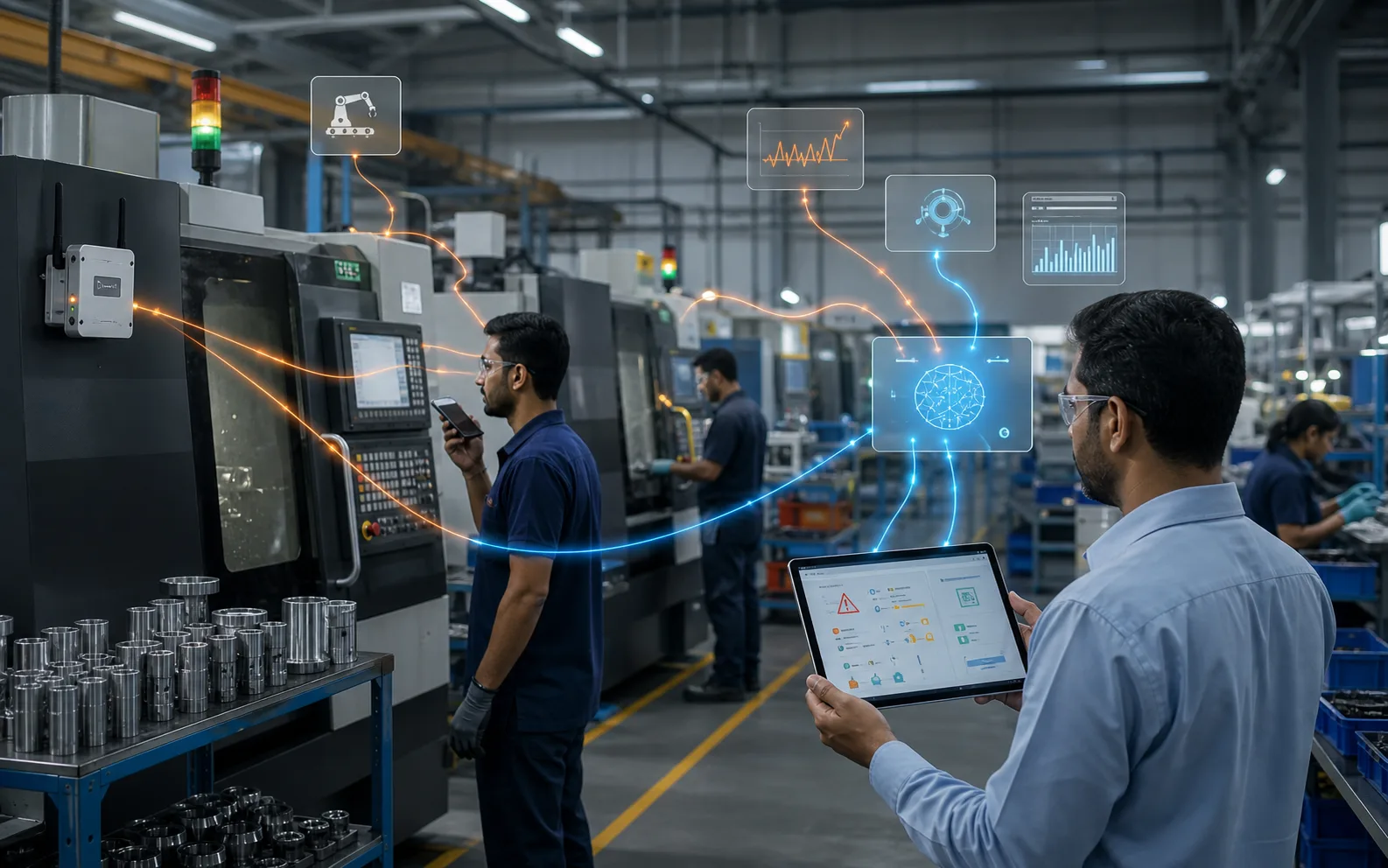
How Do I Prevent My Factory Data From Being Hacked?
Preventing factory data from being hacked starts with treating operational data as a business asset. Production schedules, BOMs, pricing, customer orders, supplier details, inventory levels, quality records, machine data, and financial reports all reveal how your factory works. If that information is exposed or manipulated, the damage can go far beyond inconvenience.
AI driven factory management makes operations more connected, which improves visibility but also raises the need for disciplined security. A factory does not become unsafe because it uses AI. It becomes risky when systems are poorly controlled, users share access, integrations are unmanaged, and sensitive data spreads through informal files.
Cybersecurity should be built into the way the factory runs.
Use Role-Based Access
Not every employee needs access to every report. Operators need task-level information. Stores need inventory movement. Purchase teams need supplier and PO details. Finance needs cost and payment data. Management needs broader dashboards.
Role-based access reduces the impact of mistakes and prevents unnecessary exposure. It also makes accountability clearer because actions can be traced to specific users.
Stop Shared Passwords
Shared passwords are one of the fastest ways to lose control. Every user should have their own login. When employees leave or change roles, access should be updated quickly.
This basic discipline matters as much as advanced security technology.
Control Data Exports
Many factories protect their main system but then export sensitive data into Excel files, email attachments, or personal devices. These copies can create bigger risk than the software itself.
Set rules around who can export reports, what can be downloaded, and where files can be stored.
Review Integrations Carefully
Factory systems may connect to accounting software, IoT devices, APIs, dashboards, or customer portals. Each integration should be secured and monitored.
Ask vendors how access is authenticated, how data is encrypted, and how failures are handled.
Train Users on Security Habits
Most security failures involve people. Train teams to avoid suspicious links, protect passwords, report unusual system behaviour, and avoid sharing data casually.
Security should be part of onboarding and refresher training.
Where AICAN Optiwise Fits
AICAN Optiwise connects production, inventory, purchase, sales, finance, reporting, IoT readiness, and AI workflows in a structured operating system. This can reduce scattered data practices and support clearer access control compared with informal spreadsheets and message-based coordination.
Manufacturers should discuss access roles, integrations, data handling, and security expectations with the AICAN team. Learn more at aican.co.in and About AICAN.
Founder’s Note
AICAN’s founder-led view is that connected manufacturing should increase trust, not anxiety. Factory owners should know where their data lives, who can access it, and how it supports decisions.
Security is not separate from operations. It is part of professional factory management.
FAQ
What factory data is most sensitive?
BOMs, pricing, customer orders, supplier terms, production schedules, inventory levels, financial reports, and quality records are all sensitive.
What is the first security step?
Create individual user accounts with role-based access and stop shared passwords.
Are cloud factory systems safe?
They can be safe when vendors use proper infrastructure, access controls, encryption, backups, and monitoring. Ask specific questions before implementation.
How often should access be reviewed?
Review access whenever roles change, employees leave, or new workflows are added. A periodic quarterly review is also useful.
Final Thought
Preventing factory data hacks is not only about firewalls. It is about disciplined access, controlled data movement, secure integrations, and users who understand the value of the information they handle.
Next step: Explore AICAN Optiwise to discuss secure, connected AI driven factory management for your operations.

Related Posts
Is AI Worth the Investment for My Factory?
Learn how to decide if AI is worth the investment for your factory by evaluating use cases, data readiness, costs, risks, ROI, and operational impact.
13 Jun 2026Read more →Manufacturing AI Mistakes to Avoid Before You Start
List manufacturing AI mistakes and controls for unclear use case, messy data, unsafe automation, no owner, weak security and unreviewed recommendations.
13 Jun 2026Read more →What's the Difference Between AI and Regular Automation?
Understand the difference between AI and regular automation in manufacturing, with practical examples for workflows, decisions, alerts, and predictive operations.
13 Jun 2026Read more →What Are the Risks of Using AI in Manufacturing?
Understand the risks of AI in manufacturing, including bad data, wrong recommendations, safety issues, security, job fear, over-automation, and implementation failure.
13 Jun 2026Read more →