
How Much Does Shop Floor Management Software Cost?
Shop floor management software cost depends on users, modules, implementation, integrations, customization, training, support, IoT, and AI features.
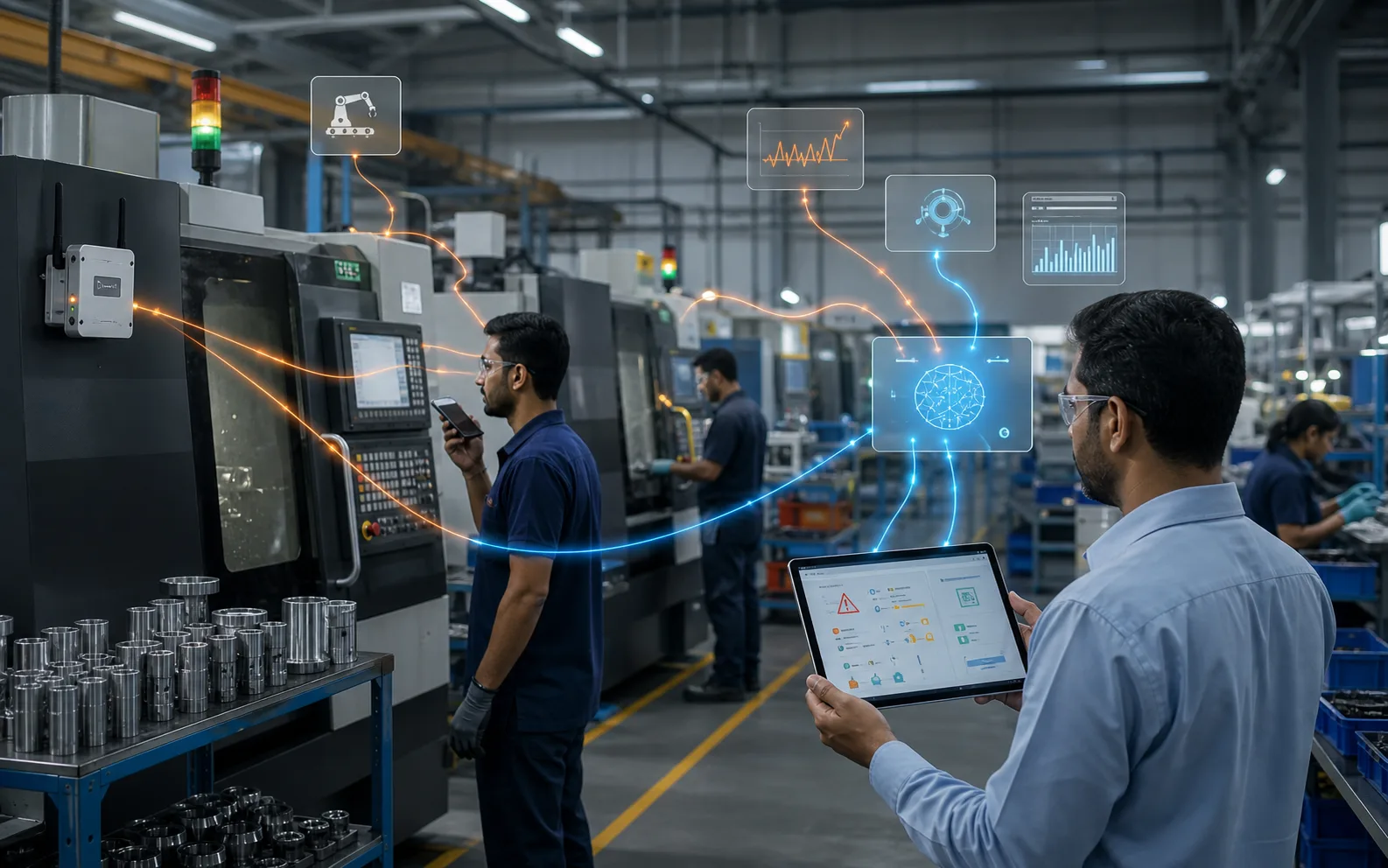
How Much Does Shop Floor Management Software Cost?
Shop floor management software cost depends on the size of the factory, number of users, modules required, implementation complexity, integrations, customization, training, support, and whether IoT or AI features are included.
The better question is not only “What is the price?” It is “What operational problems will this software solve, and what are those problems costing us today?”
Common Cost Components
Costs may include license or subscription, implementation, data migration, workflow configuration, customization, user training, support, integrations, hardware, barcode devices, IoT devices, and future upgrades.
A low subscription can still become expensive if implementation is weak.
What Increases Cost?
Cost rises when the factory has complex workflows, multiple plants, custom reporting needs, legacy system integration, IoT requirements, or extensive training needs.
AI features may also add cost depending on the platform.
What Cost Should Be Compared Against
Compare software cost with current losses: production delays, downtime, material shortages, quality issues, manual reporting time, missed dispatches, and lack of visibility.
AICAN Optiwise helps manufacturers connect shop floor management with inventory, purchase, sales, finance, reports, IoT readiness, and AI workflows, so ROI should be measured across operations.
Avoid Looking Only at Upfront Price
The cheapest option may not create the best value.
A system that fits manufacturing workflows, supports adoption, and improves visibility may deliver stronger returns than a basic tool that needs many workarounds.
Questions to Ask Vendors
Ask what is included in implementation, training, support, customization, integrations, user limits, reports, AI features, and future upgrades.
Also ask what internal preparation your team must do.
Where AICAN Optiwise Fits
AICAN Optiwise is built for manufacturers looking for connected operational control. Pricing should be evaluated against the value of improved production visibility, reduced firefighting, better coordination, and stronger reporting.
Learn more at About AICAN.
Founder’s Note
Software cost should be understood honestly. A factory should know both the investment required and the cost of continuing with poor visibility.
Good systems pay back by reducing confusion and improving decisions.
FAQ
What affects shop floor software cost most?
Users, modules, implementation, integrations, customization, training, support, and IoT needs.
Is cheaper software always better?
No. Fit, adoption, and operational value matter more than the lowest price.
Should ROI be measured?
Yes. Track downtime, reporting time, production delays, quality issues, and delivery performance.
Does AI increase cost?
It can, but AI may also improve value through prediction, alerts, and decision support.
Final Thought
Shop floor management software cost should be judged against business impact.
When software improves production visibility, coordination, and decision-making, it becomes an operating investment. That is how AICAN approaches Optiwise for manufacturers.

Related Posts
Is AI Worth the Investment for My Factory?
Learn how to decide if AI is worth the investment for your factory by evaluating use cases, data readiness, costs, risks, ROI, and operational impact.
13 Jun 2026Read more →Manufacturing AI Mistakes to Avoid Before You Start
List manufacturing AI mistakes and controls for unclear use case, messy data, unsafe automation, no owner, weak security and unreviewed recommendations.
13 Jun 2026Read more →What's the Difference Between AI and Regular Automation?
Understand the difference between AI and regular automation in manufacturing, with practical examples for workflows, decisions, alerts, and predictive operations.
13 Jun 2026Read more →What Are the Risks of Using AI in Manufacturing?
Understand the risks of AI in manufacturing, including bad data, wrong recommendations, safety issues, security, job fear, over-automation, and implementation failure.
13 Jun 2026Read more →