
Why Companies Still Need People Even With AI
Learn why companies still need people despite AI: trust, accountability, customer relationships, judgment, safety, creativity, leadership, and real-world execution.
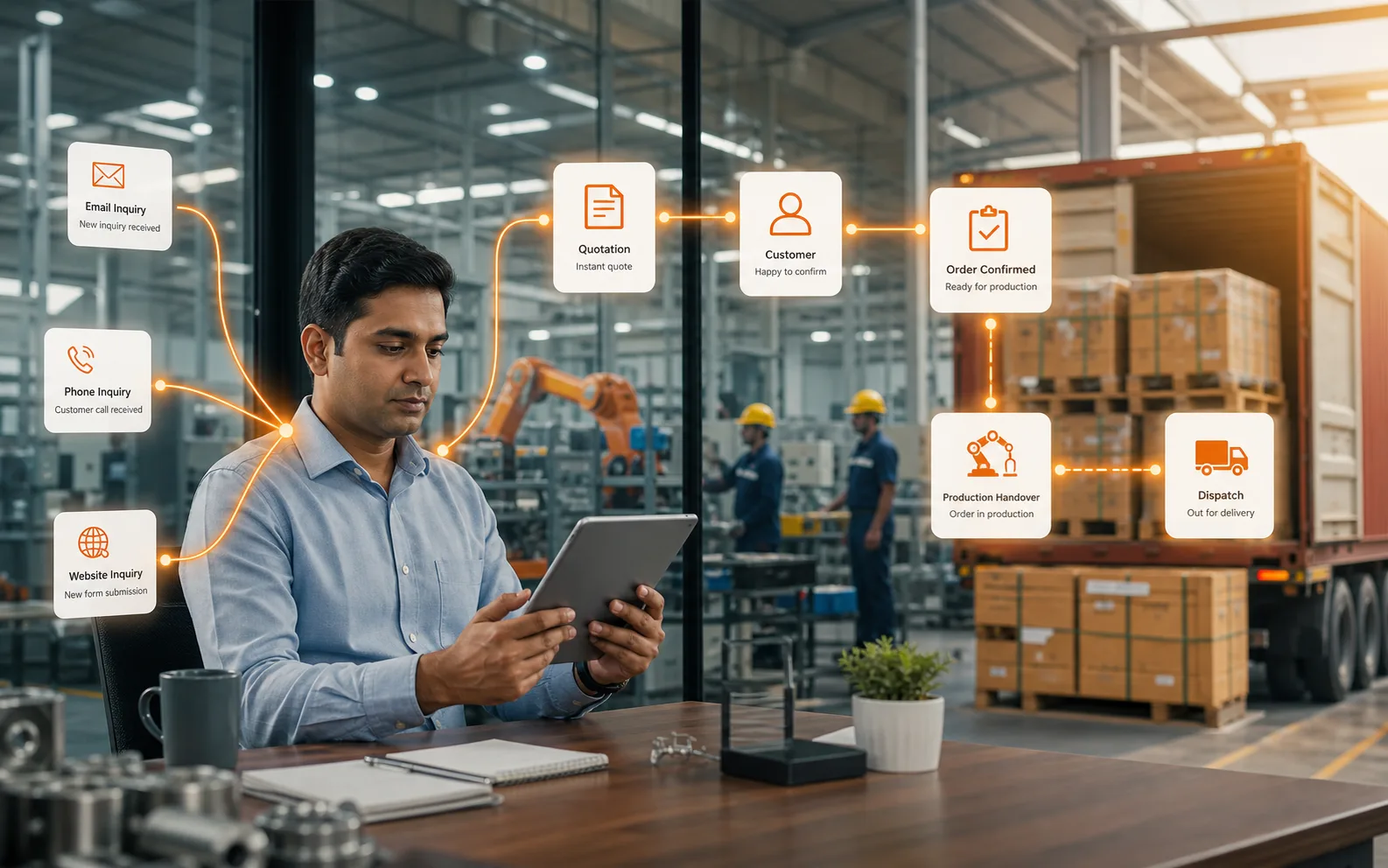
Why Companies Still Need People Even With AI
Companies still need people because business is not only data processing. It is trust, responsibility, execution, creativity, negotiation, safety, and leadership.
AI can make companies faster. It cannot fully replace the human side of business.
People Build Trust
Customers, suppliers, and employees trust people before systems. AI can support communication, but relationships still need human presence.
People Carry Accountability
When decisions affect money, safety, customers, or workers, someone must be responsible. AI cannot own accountability.
People Handle Exceptions
Real work is messy. Machines fail, customers change requirements, suppliers delay, and quality issues appear. People handle exceptions.
People Lead Teams
Teams need motivation, coaching, correction, and emotional intelligence. AI can assist managers, but it cannot lead like a human.
People Understand Context
AI sees patterns in data. People understand why those patterns matter.
People Improve Processes
AI can highlight problems. People redesign workflows and implement change.
Where AICAN Optiwise Fits
AICAN Optiwise helps companies use AI as an operating assistant across manufacturing workflows. It supports human teams by surfacing risks and priorities, while people remain responsible for decisions and execution.
FAQ
Why not automate everything?
Because many decisions require context, trust, safety, and accountability.
Can AI replace managers?
AI can support managers, but leadership remains human work.
Do companies need fewer people with AI?
Some tasks may reduce, but new roles and higher-value work can emerge.
What human skill matters most?
Judgment, communication, trust, and accountability are critical.
Final Thought
AI gives companies more intelligence. People give companies direction.
The strongest businesses will combine both.

Related Posts
Is AI Worth the Investment for My Factory?
Learn how to decide if AI is worth the investment for your factory by evaluating use cases, data readiness, costs, risks, ROI, and operational impact.
13 Jun 2026Read more →Manufacturing AI Mistakes to Avoid Before You Start
List manufacturing AI mistakes and controls for unclear use case, messy data, unsafe automation, no owner, weak security and unreviewed recommendations.
13 Jun 2026Read more →What's the Difference Between AI and Regular Automation?
Understand the difference between AI and regular automation in manufacturing, with practical examples for workflows, decisions, alerts, and predictive operations.
13 Jun 2026Read more →What Are the Risks of Using AI in Manufacturing?
Understand the risks of AI in manufacturing, including bad data, wrong recommendations, safety issues, security, job fear, over-automation, and implementation failure.
13 Jun 2026Read more →