
Do I Need a Degree to Work in Modern Manufacturing?
A degree helps for some manufacturing roles, but modern factories also value skills in machines, quality, digital tools, safety, maintenance, and problem-solving.
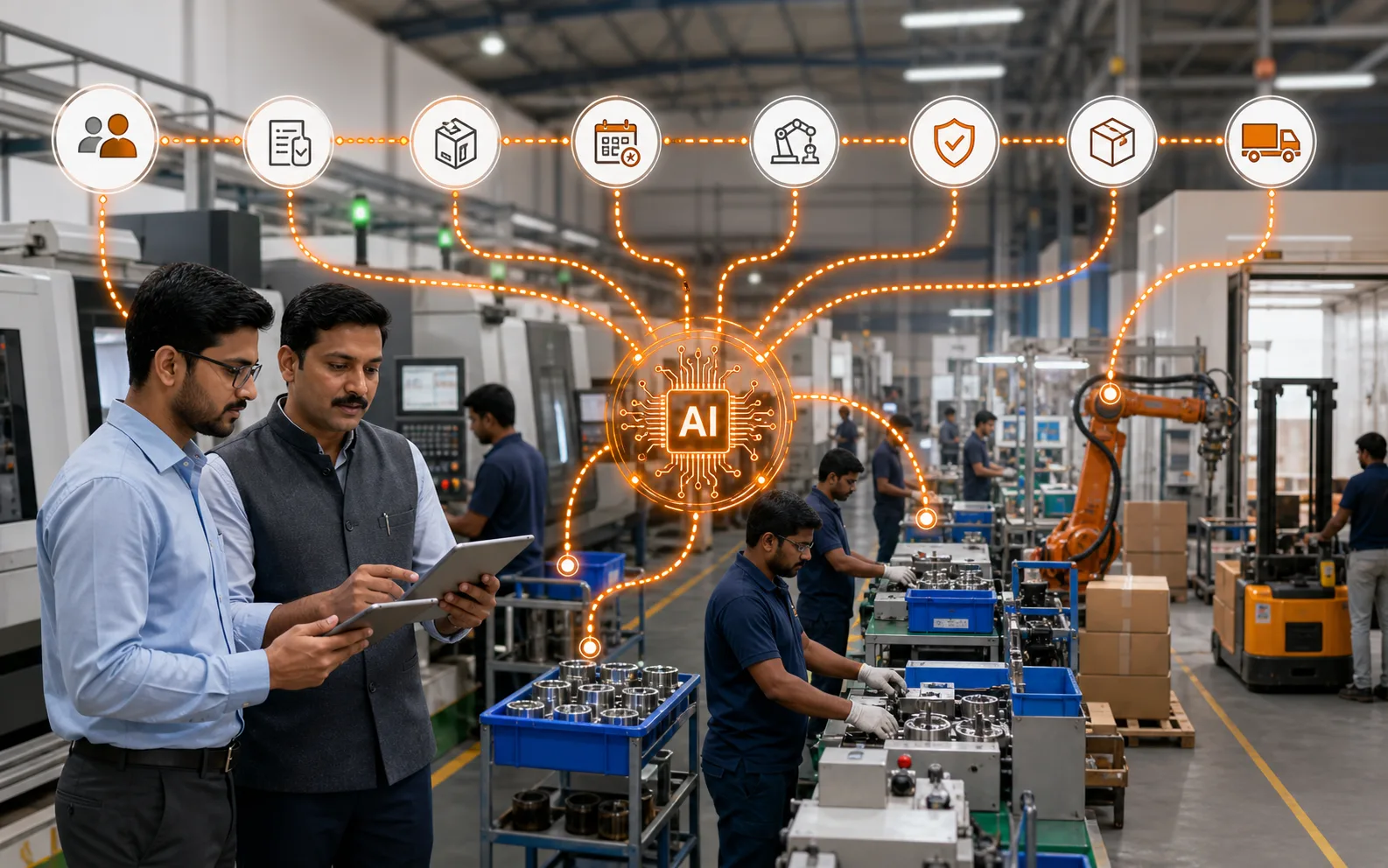
Do I Need a Degree to Work in Modern Manufacturing?
You do not always need a degree to work in modern manufacturing.
Some roles require engineering, technical, or management degrees. But many important manufacturing careers are built through practical skills, training, machine knowledge, quality discipline, safety awareness, and digital tool confidence.
As factories become more technical, learning matters more than one-time education.
Roles That May Need Degrees
Engineering design, advanced automation, data science, plant leadership, and specialized technical roles may require formal degrees.
These roles often involve complex analysis, system design, or regulatory responsibility.
Roles Where Skills Matter Most
Machine operation, supervision, maintenance support, quality inspection, store control, production coordination, and process improvement often value hands-on skill and experience.
Digital confidence is becoming increasingly important.
Modern Manufacturing Needs Continuous Learning
Even workers without degrees may need training in dashboards, digital checklists, quality systems, machine monitoring, safety, and data accuracy.
AICAN Optiwise supports connected factory workflows where practical worker inputs help production, inventory, purchase, finance, and reporting stay aligned.
Experience Still Matters
Experienced workers understand machine behavior, material issues, process shortcuts, safety risks, and practical constraints.
Technology should build on that experience.
Where AICAN Optiwise Fits
AICAN Optiwise helps manufacturers create systems that support skilled workers and managers. Modern manufacturing needs people who can work with tools, not only people with formal degrees.
Learn more at About AICAN.
Founder’s Note
Modern manufacturing should create pathways for both degree holders and skilled workers. Factories need engineers, but they also need people who understand real work deeply.
Skill, discipline, and learning attitude matter.
FAQ
Is a degree required for factory jobs?
Not for all roles. Many roles depend more on practical skills and training.
What skills matter without a degree?
Machine handling, quality, safety, maintenance awareness, digital tools, and problem-solving.
Will AI make degrees more necessary?
Some advanced roles may require more education, but many roles need practical digital training.
Can workers grow without a degree?
Yes, through skill development, experience, and continuous learning.
Final Thought
A degree can help, but it is not the only path into modern manufacturing.
The future factory will value people who can learn, adapt, and work with better systems. That is the inclusive manufacturing future AICAN supports.

Related Posts
Is AI Worth the Investment for My Factory?
Learn how to decide if AI is worth the investment for your factory by evaluating use cases, data readiness, costs, risks, ROI, and operational impact.
13 Jun 2026Read more →Manufacturing AI Mistakes to Avoid Before You Start
List manufacturing AI mistakes and controls for unclear use case, messy data, unsafe automation, no owner, weak security and unreviewed recommendations.
13 Jun 2026Read more →What's the Difference Between AI and Regular Automation?
Understand the difference between AI and regular automation in manufacturing, with practical examples for workflows, decisions, alerts, and predictive operations.
13 Jun 2026Read more →What Are the Risks of Using AI in Manufacturing?
Understand the risks of AI in manufacturing, including bad data, wrong recommendations, safety issues, security, job fear, over-automation, and implementation failure.
13 Jun 2026Read more →