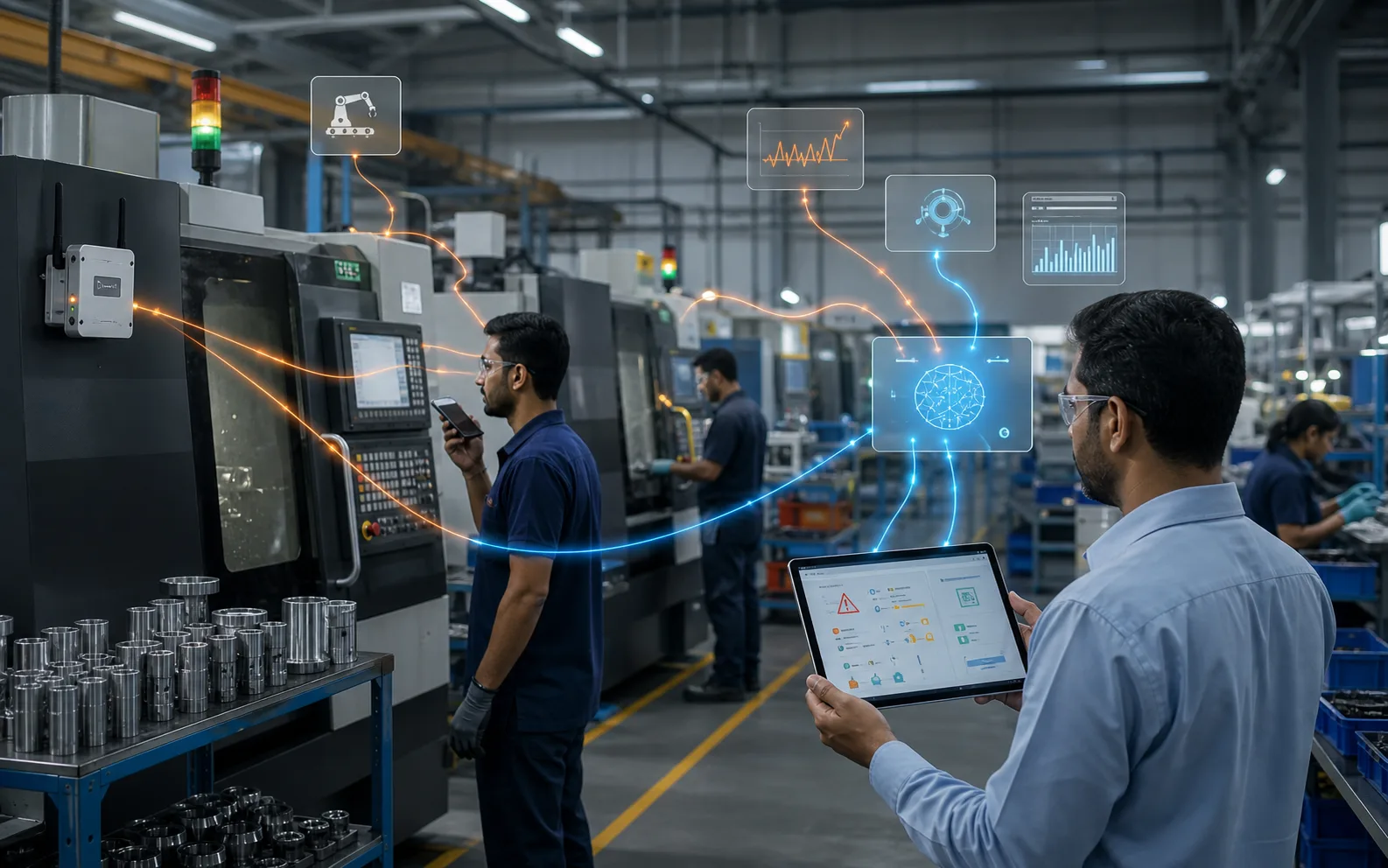

Can Computer Vision Work in Low-Light Factory Conditions?
Learn whether computer vision can work in low-light factories, why controlled lighting matters, and how manufacturers should design reliable inspection setups.
Loading Optiwise
A structured blog experience powered by the local AICAN CMS, with rich publishing, search visibility, and editorial control without WordPress.

Filter blog posts
1959 posts available, showing 1609-1632

Learn whether computer vision can work in low-light factories, why controlled lighting matters, and how manufacturers should design reliable inspection setups.

Understand producer surplus, how it works in economics, and how manufacturers can use the concept to think about pricing, cost, and market decisions.

Future-proof your procurement career by learning AI tools, data analysis, supplier strategy, negotiation, risk management, and cross-functional manufacturing skills.

A practical S&OP guide for manufacturers covering demand review, supply planning, inventory, production capacity, purchase planning, and ERP visibility.

Understand the difference between MRP and MPS, how they work together, and how manufacturers can use both to improve production planning and material readiness.

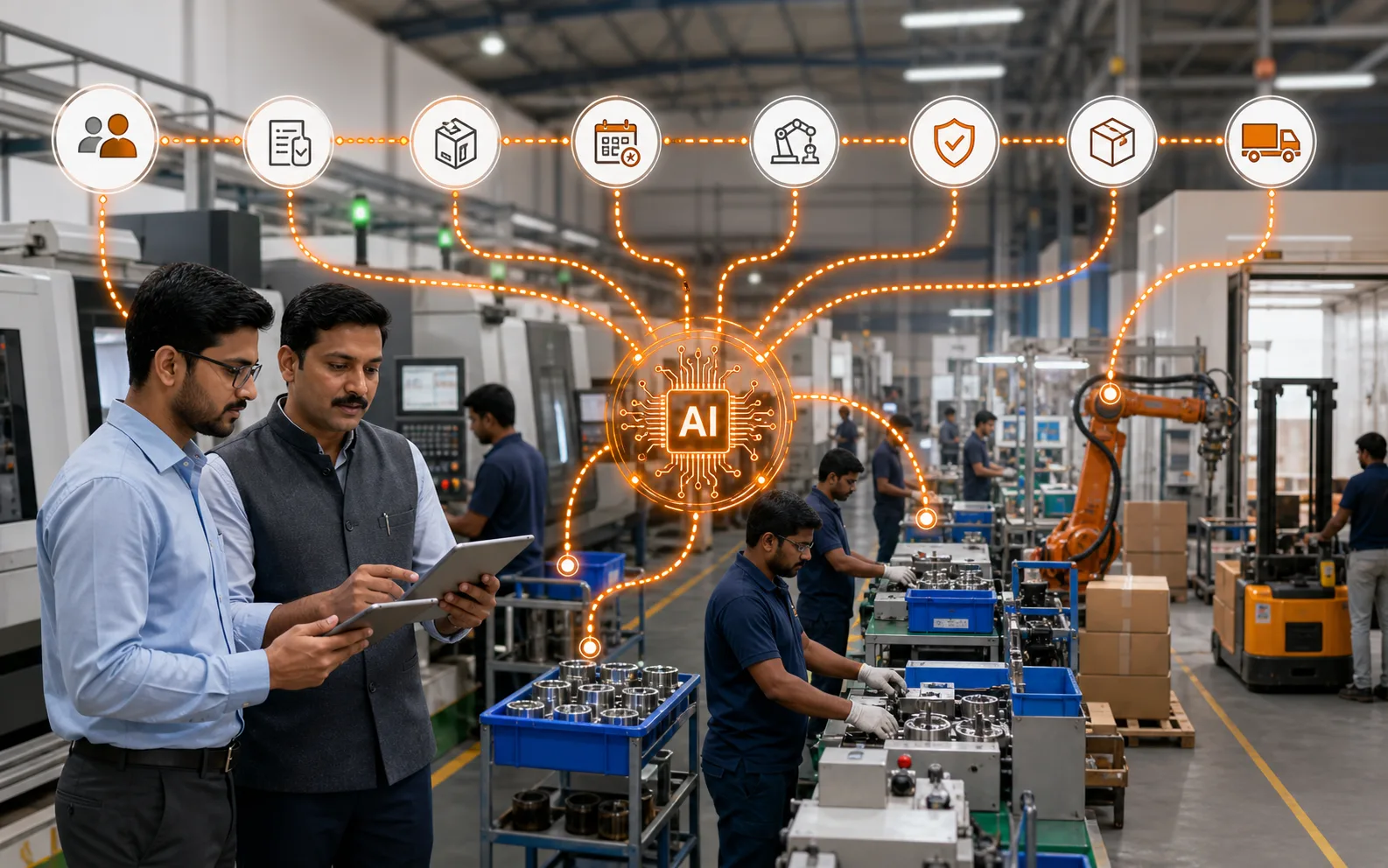
Understand what AI in manufacturing actually does, including report summaries, quality analysis, predictive maintenance, inventory insights, scheduling, and documentation.

Learn how manufacturers can manage inventory using item masters, stock locations, BOMs, purchase planning, material issue, batch tracking, minimum stock, WIP, and ERP dashboards.

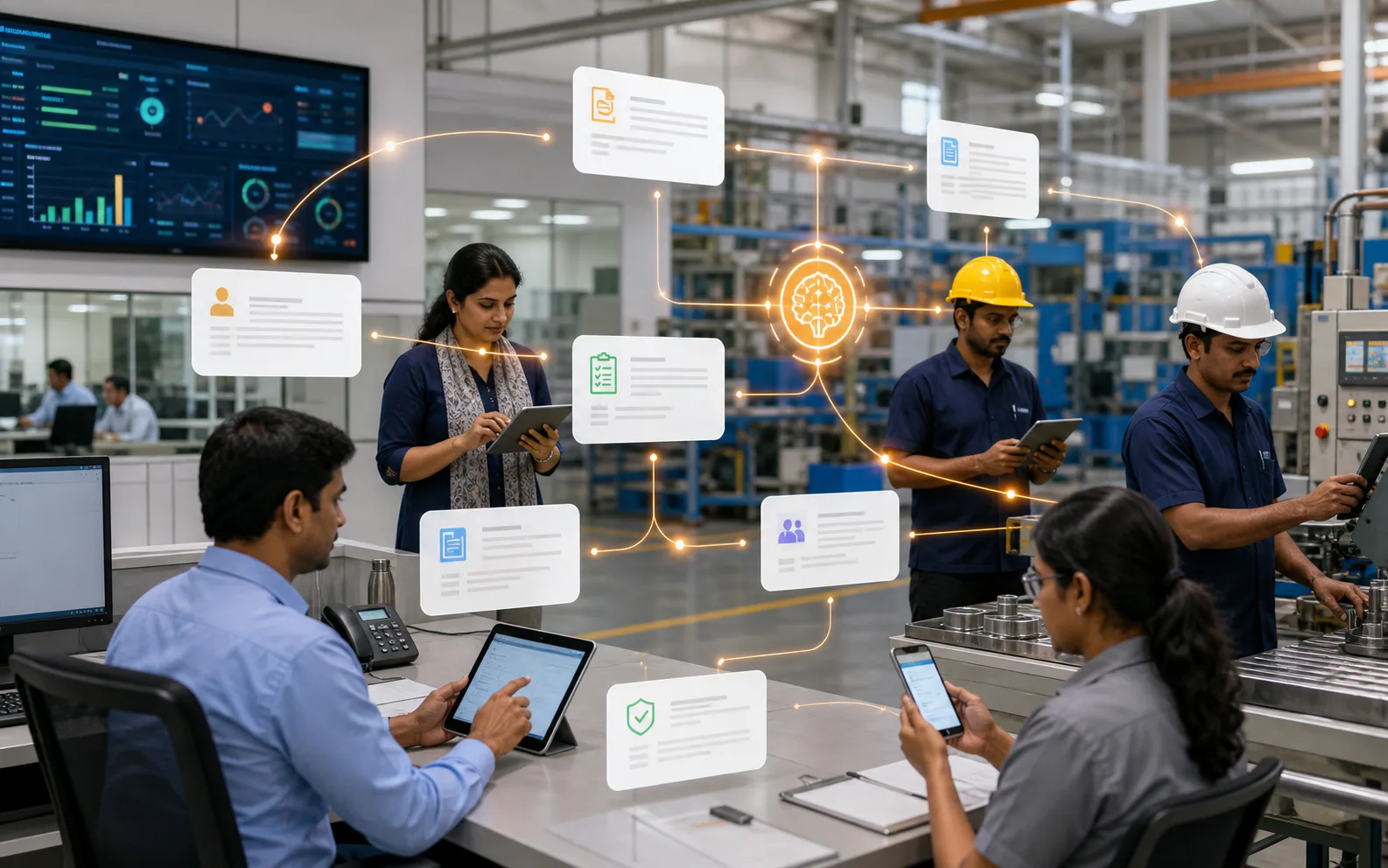
Learn how AI can support manufacturing compliance through documentation, audit preparation, traceability, quality records, training logs, and exception summaries.

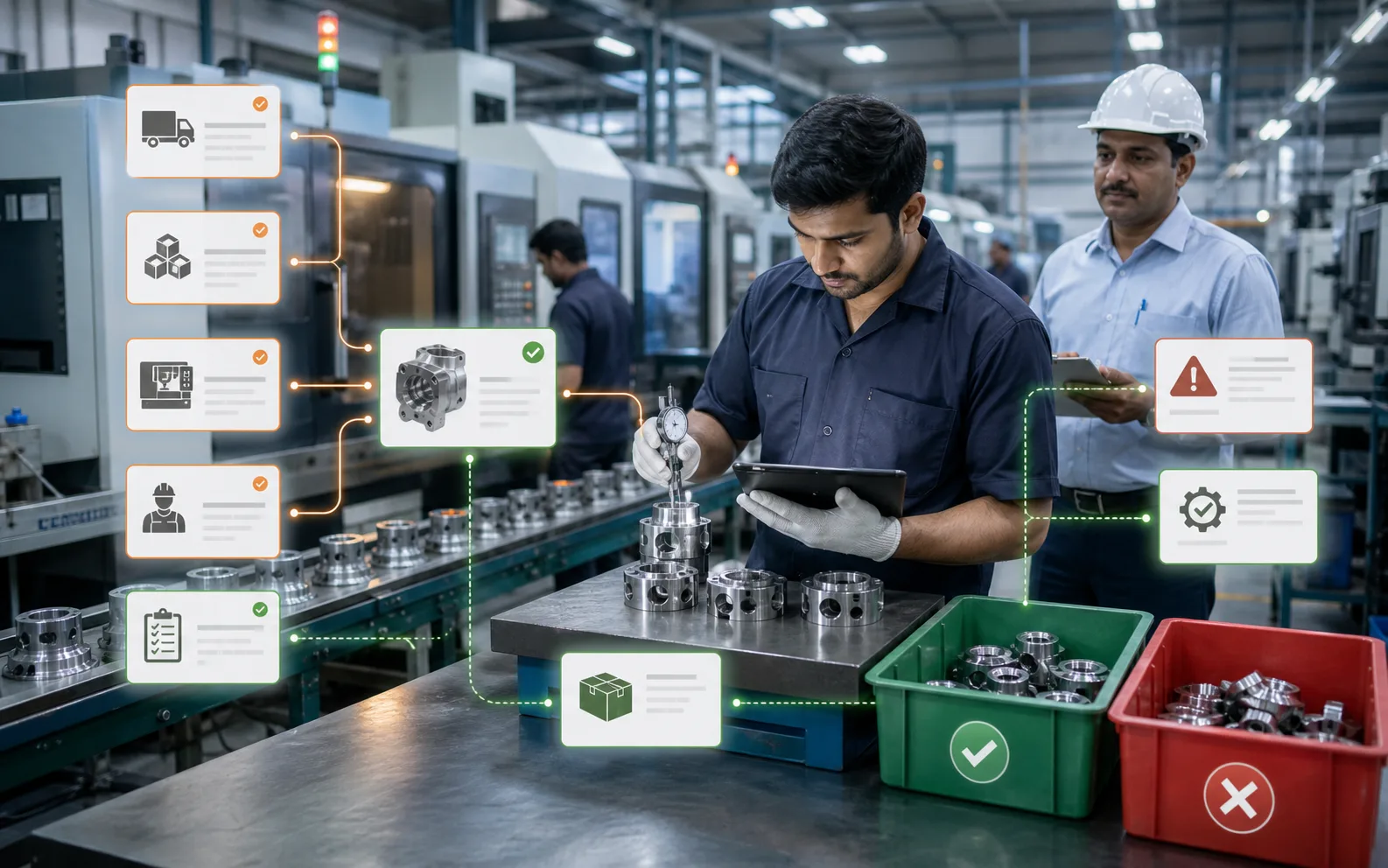
Learn what operators, supervisors, quality teams, maintenance, and managers need to know before using computer vision systems on the factory floor.

Avoid the most common IoT deployment mistakes in manufacturing, from unclear goals and bad data to weak training, poor integration, and dashboard overload.

A practical guide to choosing the best ERP software in India for SME manufacturers, covering GST readiness, inventory, production, support, implementation, and scalability.

Learn Just-in-Time inventory and production for manufacturers, including benefits, risks, examples, implementation steps, and how Optiwise improves JIT visibility.

Understand how competitors using AI can gain manufacturing advantages in cost, speed, quality, delivery, and decision-making, and how to respond strategically.

Learn what successful AI adoption looks like in manufacturing, with practical examples across quality, maintenance, inventory, planning, documentation, and ERP workflows.

Learn how ERP supports pharmaceutical manufacturers with batch tracking, inventory, quality checks, production planning, documentation, and audit readiness.

Learn what service-based small businesses should look for in ERP: job tracking, scheduling, billing, expenses, customer data, projects, reports, and team productivity.

Learn how manufacturers can choose an affordable ERP alternative without sacrificing production control, inventory visibility, purchase workflows, finance, support, and scalability.

Learn what online ERP software is, how it helps manufacturers connect departments, and what to check before choosing a cloud-based ERP system.

Learn how production planning and control helps manufacturers align demand, materials, schedules, execution, quality, and delivery.

Learn whether IoT is practical for small factories, how to start simply, which use cases matter, what to avoid, and how to build value without overcomplication.

Learn which inventory data matters for manufacturers, what to avoid overtracking, and how AICAN Optiwise helps teams turn data into better decisions.

Understand how AI changes factory work, which tasks become less repetitive, and how manufacturers can make AI adoption improve job satisfaction.

Understand manufacturing software security and compliance needs, including access controls, audit trails, backups, data protection, and operational risk.

Learn how inventory cost accounting works in manufacturing, including material cost, WIP, finished goods, valuation, variance, and operational controls.