
IoT, Automation & Industry 4.0
IoT Energy Consumption Myths in Manufacturing
Clear up common myths about IoT and energy monitoring in manufacturing, including sensor cost, idle power, machine-level visibility, and real savings.
20 Jan 20257 min read
Loading Optiwise
A structured blog experience powered by the local AICAN CMS, with rich publishing, search visibility, and editorial control without WordPress.

Filter blog posts
2027 posts available, showing 2017-2027
Clear up common myths about IoT and energy monitoring in manufacturing, including sensor cost, idle power, machine-level visibility, and real savings.

Learn how barcode inventory software reduces shrinkage, improves stock accuracy, controls movement, and helps manufacturers reduce losses.

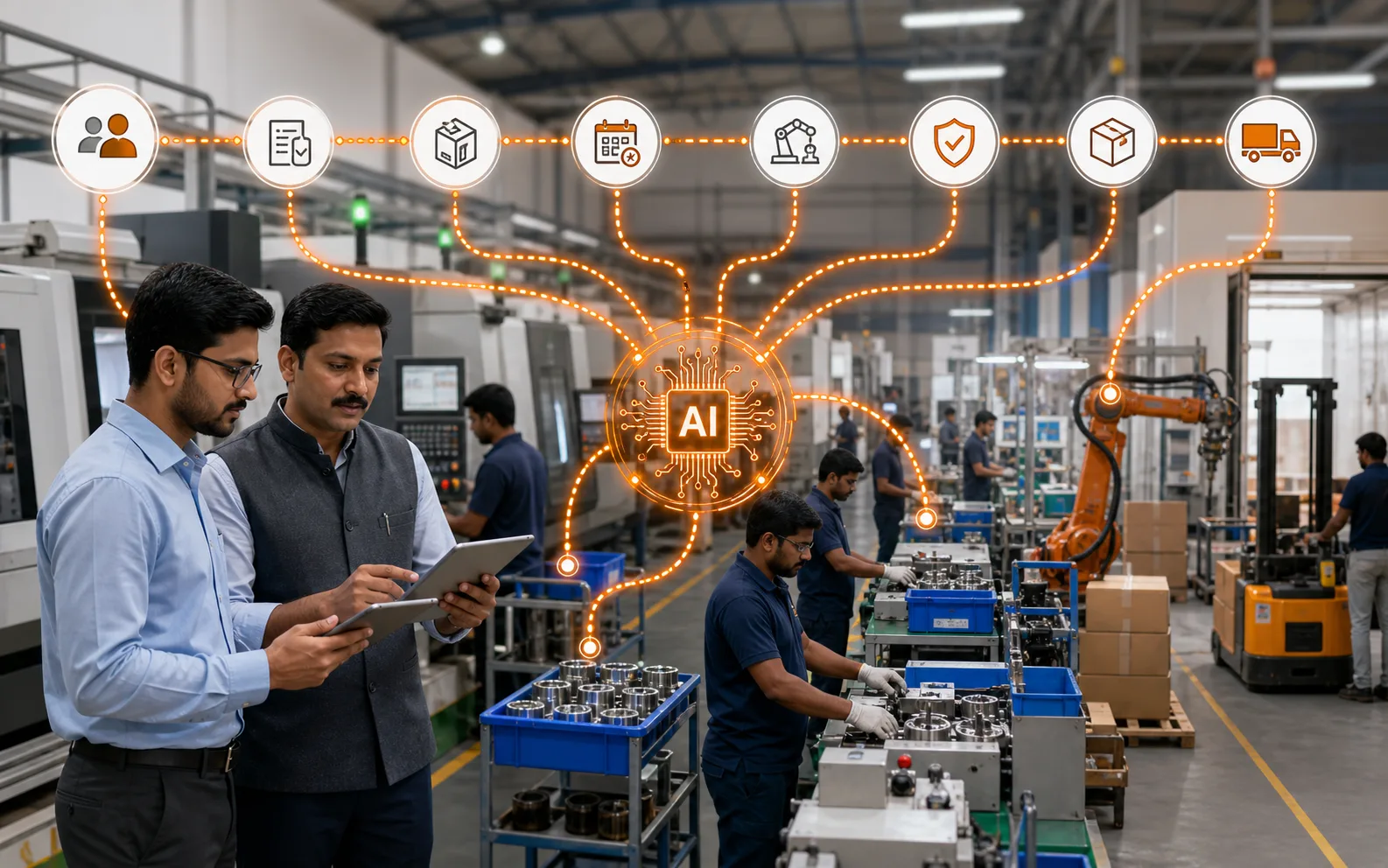
A practical explanation of how AI affects manufacturing jobs, why most roles will change before they disappear, and how factory teams can prepare.
Learn how IoT can improve food safety visibility through temperature monitoring, equipment alerts, storage tracking, traceability, ERP integration, and faster response.
Experienced workers often distrust new factory software because of poor rollout, unclear purpose, bad data, extra work, fear of monitoring, and weak training.
Learn contract manufacturing, how it works, benefits, risks, examples, vendor controls, quality checks, and how SMEs can manage outsourced production better.
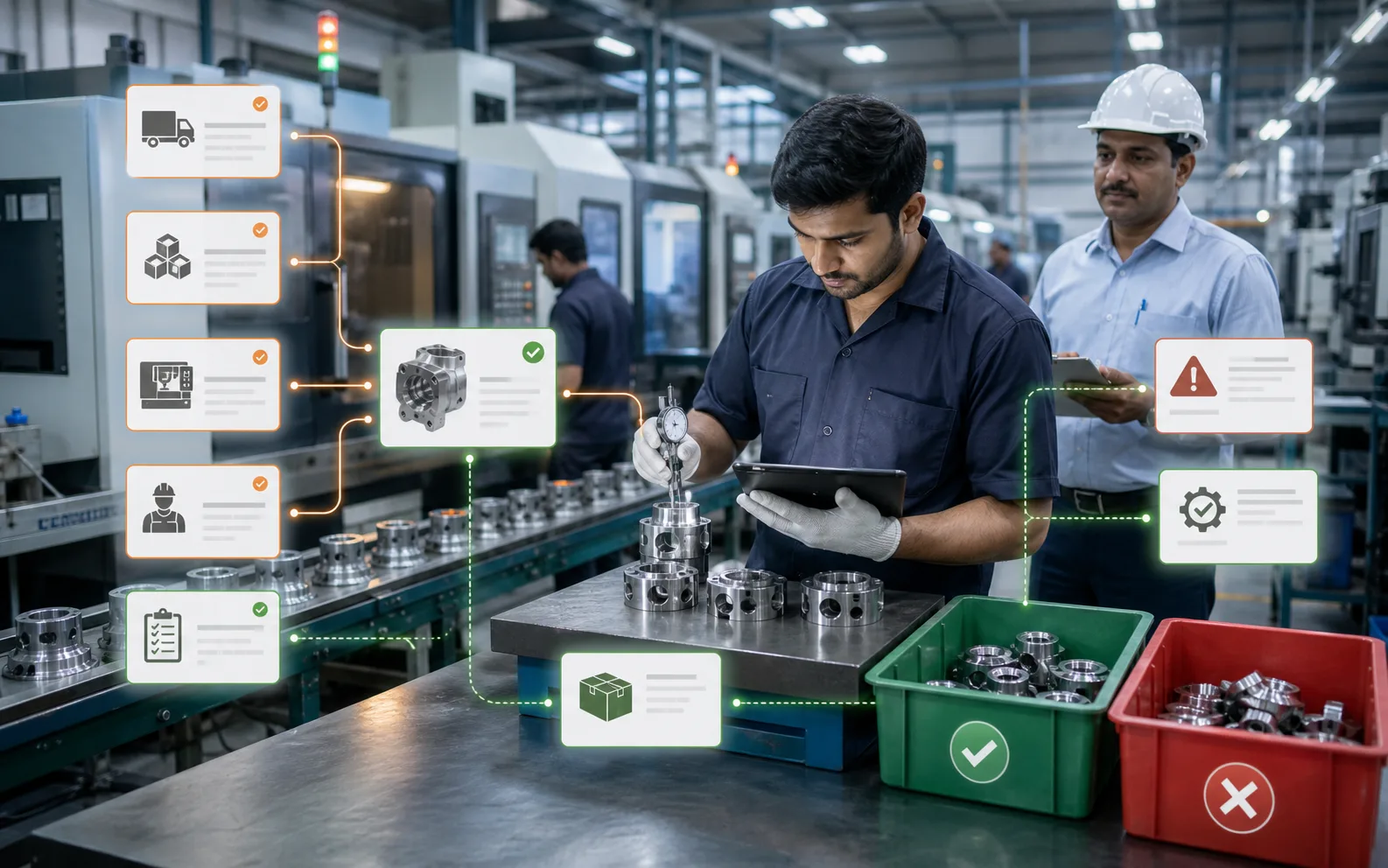
Factories can automate some jobs while keeping others by targeting repetitive tasks and preserving human judgment in quality, safety, maintenance, and supervision.
Learn how AI can help reduce manufacturing defects through quality data analysis, defect trends, supplier insights, inspection support, and process alerts.
Automation can change manufacturing wages by increasing demand for technical, quality, maintenance, supervision, data, and problem-solving skills.
Understand cloud ERP software, how it helps manufacturers connect inventory, purchase, production, sales, and reporting, and how AICAN Optiwise supports SMEs.
Learn how AI can support manufacturing hiring through job descriptions, screening support, skills matching, interview structure, workforce planning, and training insights.