

ERP & Digital Transformation
What Is a Smart Factory?
Learn what a smart factory is, how ERP, IoT, automation, real-time monitoring, quality tracking, maintenance, inventory, and dashboards work together.
6 May 20262 min read
Loading Optiwise
A structured blog experience powered by the local AICAN CMS, with rich publishing, search visibility, and editorial control without WordPress.

Filter blog posts
2013 posts available, showing 217-240
Learn what a smart factory is, how ERP, IoT, automation, real-time monitoring, quality tracking, maintenance, inventory, and dashboards work together.

Real-Time Production Tracking: Join Machine Signals to Work Orders. Use a worked factory scenario, explicit inputs and exception checks before rollout.

Learn how plastic manufacturers can reduce downtime by tracking machine stoppages, mold issues, setup delays, material readiness, maintenance, cycle time, and ERP-connected alerts.
Measure AI efficiency with time saved, faster response, fewer errors, task completion, overtime reduction, customer satisfaction, and workflow adoption.
Learn why predictive maintenance software is creating manufacturing tech careers in IoT, analytics, AI, machine data, and ERP-connected operations.
Classify six inventory items by unit value, document the selected thresholds and keep HML separate from ABC annual consumption value and VED criticality.
Connect your manufacturing business in Optiwise. Explore a NetSuite alternative with production, buying, inventory, quality, AI and no-code workflows.
Learn how AI can make manufacturing more sustainable by reducing waste, energy use, defects, excess inventory, downtime, and inefficient planning.
Learn what Nashik manufacturers should look for in ERP, including production planning, inventory, purchase, finance, dispatch, reporting, and AI-ready workflows.
Explore practical low-cost ways manufacturers can test AI through reporting, inventory analysis, downtime review, quality summaries, and small workflow pilots.
Learn minimum order quantity, why suppliers set MOQ, how manufacturers should evaluate it, risks, examples, and how Optiwise improves MOQ and stock planning.
Review ageing stock with last demand, commitments, supersession, recoverability, disposition owner and approval instead of declaring items obsolete by age alone.
Learn how mobile IoT access helps manufacturing owners, supervisors, and maintenance teams see factory data, alerts, and production risks from anywhere.
Compare essential factory floor software features for manufacturers, including production tracking, dashboards, downtime, WIP, quality, inventory, alerts, and ERP integration.
Learn what data manufacturers should clean before using AI, including item masters, inventory records, production entries, machine logs, and approval workflows.
AI agents help small businesses improve efficiency by automating follow-ups, scheduling, reports, reminders, customer intake, and routine coordination.

Learn cost of revenue meaning, formula, examples, difference from COGS, and how AICAN Optiwise helps manufacturers improve cost and margin visibility.
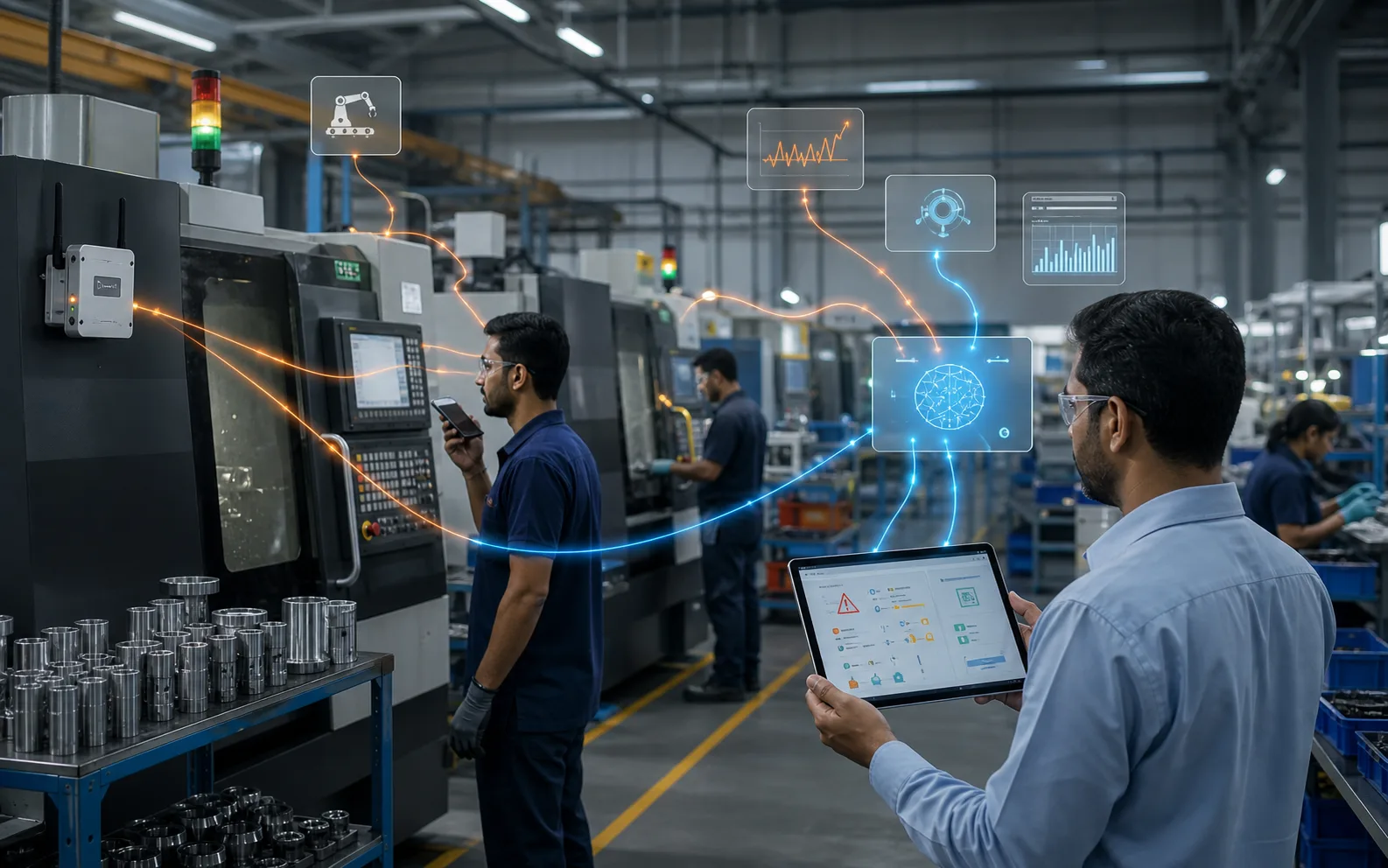
Understand why tech job growth in manufacturing is rising and what roles are emerging in ERP, automation, IoT, analytics, AI, and operations software.
Learn how to evaluate ERP recommendations from other small manufacturers, what questions to ask peers, and how to choose affordable ERP based on real fit.
Learn how often manufacturers should update AI production planning systems, including master data, live transactions, forecasts, schedules, and planning rules.
Calculate first-pass yield, rework and scrap from consistent denominators, then connect the result to a cause log, owner and verified corrective action.
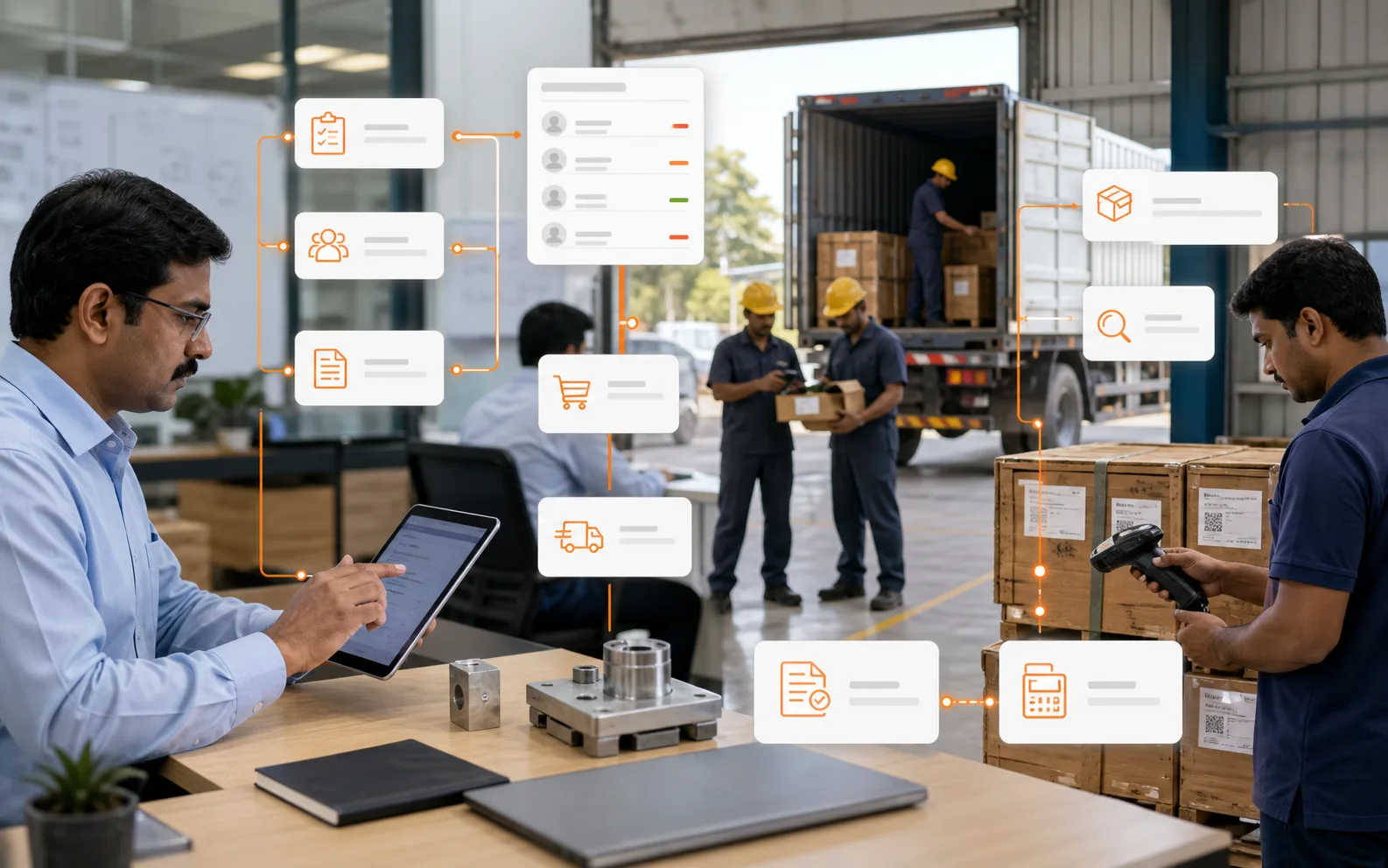
Learn what in-house skills manufacturers need to run computer vision systems, which tasks vendors can support, and how to build practical ownership without hiring a full AI team.
A practical guide for manufacturers moving from paper records to digital documents across purchase, inventory, production, dispatch, and accounts.
Run a 15-minute factory planning meeting using material, capacity, priority, quality and exception evidence with a named decision owner.