

Production Planning & Operations
Easy Manufacturing ERP: Run Your Factory in Optiwise
Give stores, production and quality clear daily work in Optiwise. Connect orders, materials, jobs and dispatch with AI and no-code tools.
8 Apr 20263 min read
Loading Optiwise
A structured blog experience powered by the local AICAN CMS, with rich publishing, search visibility, and editorial control without WordPress.

Filter blog posts
2013 posts available, showing 313-336
Give stores, production and quality clear daily work in Optiwise. Connect orders, materials, jobs and dispatch with AI and no-code tools.

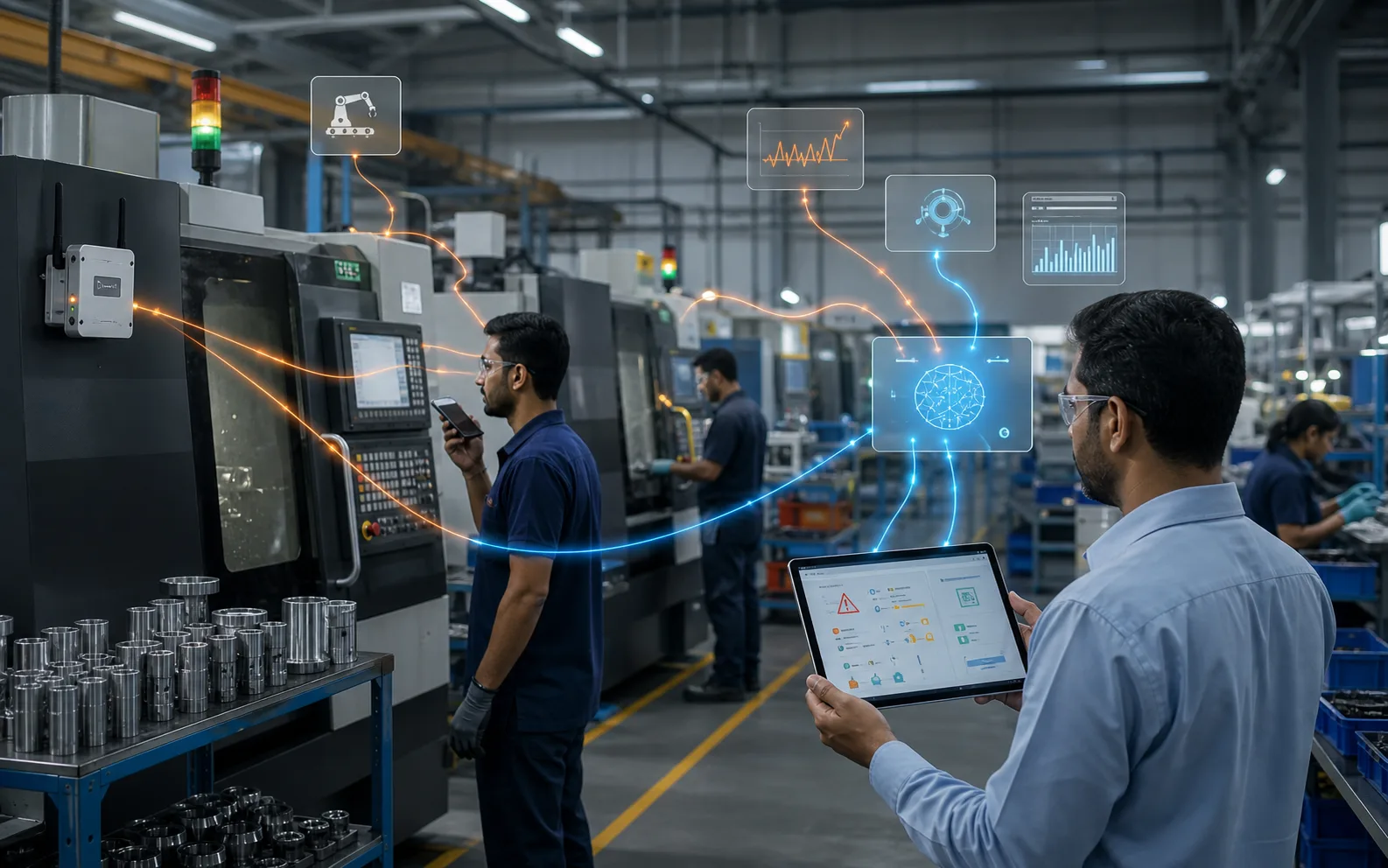
Learn how industrial sensors can integrate with existing manufacturing systems, including PLCs, ERPs, dashboards, gateways, maintenance tools, and production workflows.
Learn how AI helps production planners deal with supply chain disruptions through material risk alerts, alternate planning, supplier visibility, and schedule adjustments.

Compare cloud ERP and traditional ERP for small businesses across cost, access, updates, security, implementation, support, and scalability.
AI agent tools have a manageable learning curve when workflows are simple, training is practical, rules are clear, and teams start with low-risk tasks.
A practical guide for small businesses choosing inventory management software, with criteria for stock accuracy, ease of use, reporting, purchase, sales, production, and growth.

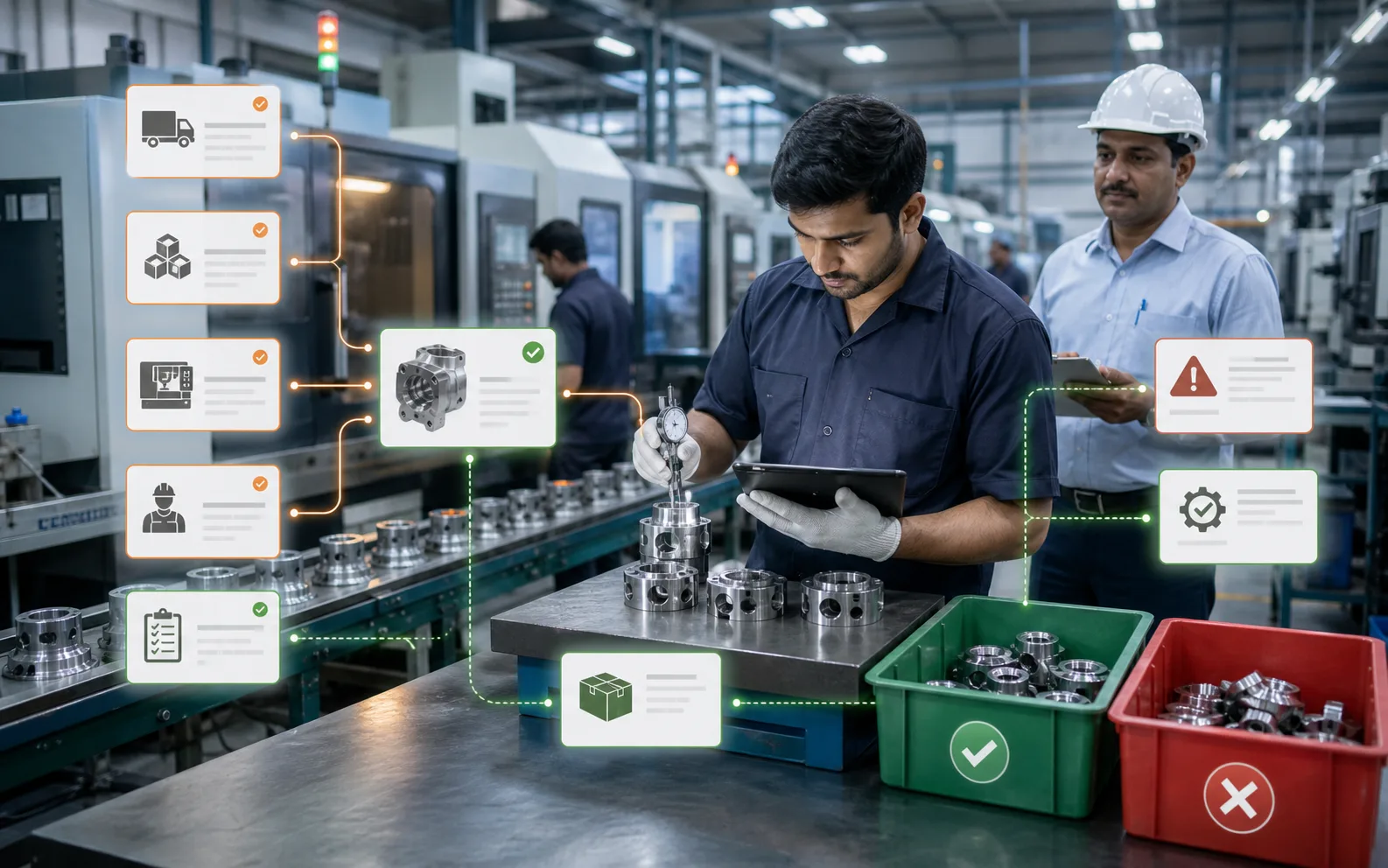
Follow an order through material readiness, jobs, process entries, inspection, rework and dispatch in Optiwise. See a clear 50-unit progress example.
Learn how demand forecasting software works for inventory optimization, what data it uses, how it predicts demand, and how manufacturers should use forecasts.
Understand Gross Domestic Product, why GDP matters for manufacturers, what it says and does not say about business demand, and how companies can use ERP visibility during economic changes.
Learn what Next In First Out means, how NIFO differs from FIFO and LIFO, and how manufacturers can use replacement cost thinking for better pricing and planning.
Learn ERP security essentials including role-based access, approvals, audit trails, backups, integrations, passwords, user discipline, and data protection.
Learn the biggest ERP implementation mistakes small businesses make, including unclear scope, messy data, weak training, over-customization, poor support, and low adoption.
Factory Automation Roadmap. Use a worked manufacturing test, exception checks and direct Optiwise workflow evidence before rollout.
Learn what a flexible manufacturing system means, why it matters, how it improves production adaptability, and how ERP supports flexible manufacturing.
AI can help urgent procurement by checking stock, supplier options, lead times, approvals, and risk alerts faster, while humans manage final decisions.
Explore key supply chain trends for manufacturing SMEs, including digital visibility, supplier resilience, inventory control, automation, sustainability, and ERP adoption.
AI procurement software is worth the investment when it reduces manual work, improves supplier decisions, cuts emergency buying, and connects purchasing to operations.
Learn what digital transformation means for manufacturers, where to start, common mistakes, and how AICAN Optiwise helps factories digitise operations.
A practical guide to ERP features that save shop floor time, including work orders, material visibility, mobile updates, QC tracking, dashboards, IoT, and AI alerts.
Learn how Six Sigma improves manufacturing quality, reduces defects, supports process control, and how SMEs can use ERP data to make improvement measurable.
Monitor Textile Production. Use a worked manufacturing test, explicit inputs and exception checks before rollout.
Good shop floor management software fits real factory workflows, connects departments, improves visibility, supports users, and delivers actionable reports.
Learn why factory floor software jobs matter and what developers build for production, inventory, quality, shopfloor data, and real-time visibility.

Learn how AI affects creative jobs, which creative tasks are vulnerable, and why strategy, taste, originality, context, and client understanding remain human advantages.